

What to know about Rift Valley Fever as Rwanda responds to latest outbreak
Summarized and contextualized by DistantNews.
At a glance
Explainer
Sources not specified
Context piece
- Rwanda is responding to a Rift Valley Fever (RVF) outbreak in its Eastern Province.
- The disease was first confirmed in livestock in Rwanda in 2012, and this is the latest outbreak.
- The article provides information on what RVF is and how it is transmitted.
Rift Valley Fever (RVF) has re-emerged in Rwanda, with the latest outbreak reported in the Eastern Province. The disease, which affects livestock and can spread to humans, was first confirmed in the country in 2012. This recent outbreak highlights the ongoing challenge of managing RVF in the region.
The Ministry of Health is actively responding to the current situation. The article aims to inform the public about the nature of RVF, its transmission routes, and the potential risks it poses. Understanding the disease is crucial for effective prevention and control measures.
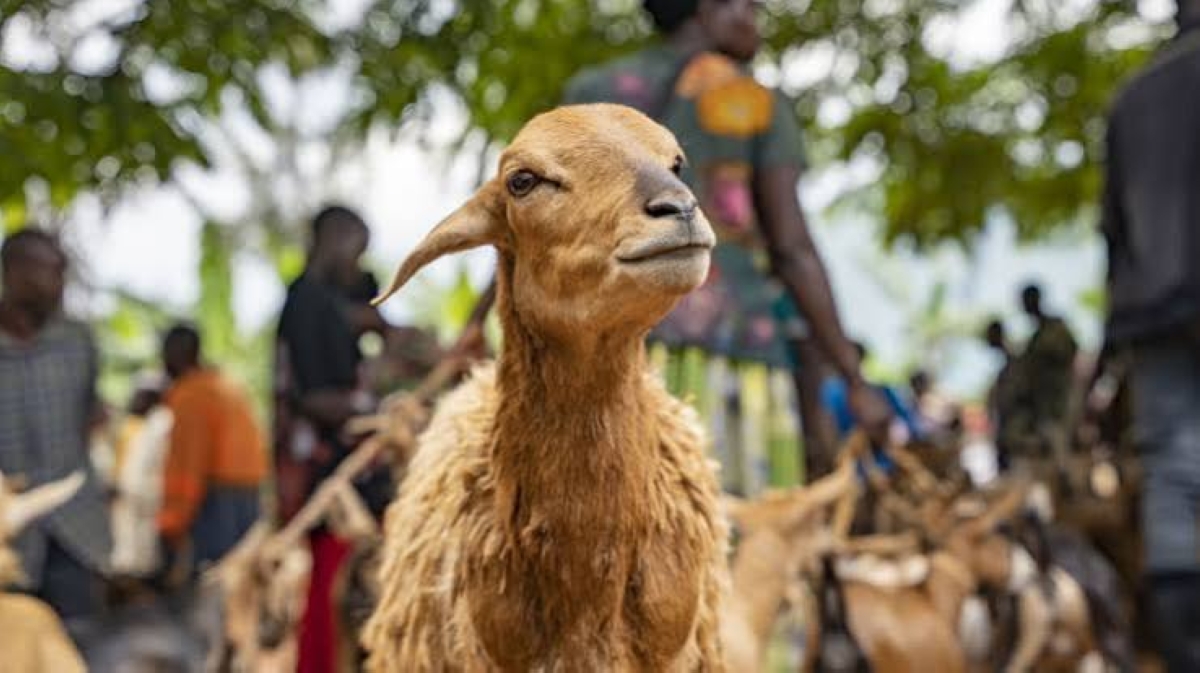
Rift Valley Fever is a viral disease primarily affecting animals, particularly cattle, sheep, and goats. It is transmitted through the bite of infected mosquitoes. Humans can contract the virus through close contact with infected animals, their tissues, or blood, or through mosquito bites. While many human infections are mild or asymptomatic, a significant percentage can develop severe symptoms, including fever, weakness, and neurological complications like encephalitis or hemorrhagic fever, which can be fatal.
The outbreak in Rwanda underscores the importance of continued surveillance and public health preparedness for zoonotic diseases. Early detection and rapid response are key to limiting the spread of RVF and protecting both animal and human health.
DistantNews Editorial
Originally published by The New Times. Summarized and contextualized by our editorial team with added local perspective. Read our editorial standards.
More Stories


From Our Blog

What Gets Lost (and Found) When News Is Translated

The Critical Role of Diaspora Media in Global News

What Travellers Should Know About Countries with Restricted Press

A Digital Nomad's Guide to Following Local News

How the Same Story Looks Different in Different Countries
