


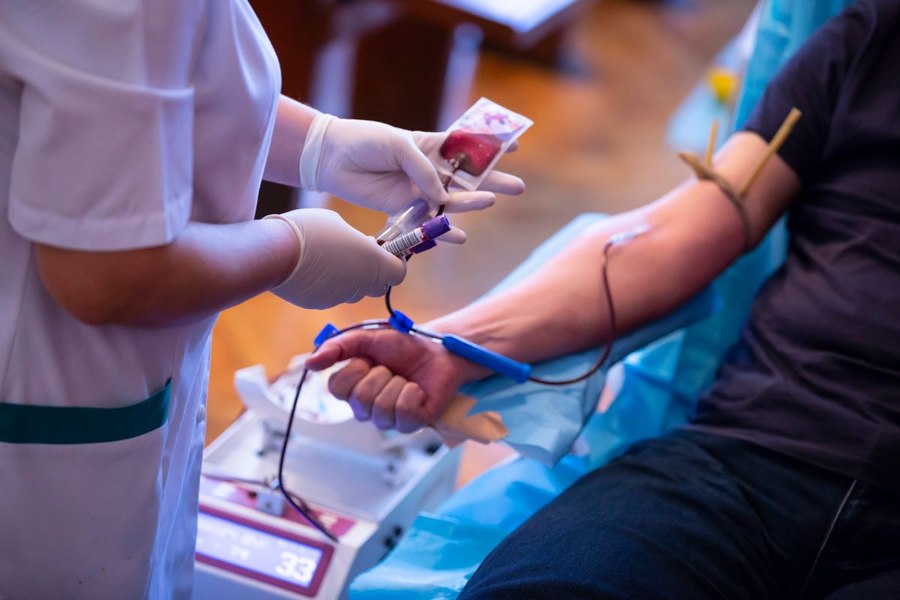
What you get for donating blood: Gift vouchers, a day off, and other benefits for donors
Translated from Romanian, summarized and contextualized by DistantNews.
At a glance
News
Sources not specified
Context piece
- Blood donors in Romania receive benefits including meal vouchers, a day off work, and public transport discounts.
- Donors receive meal vouchers worth 280 lei per donation and a paid day off work or studies.
- The initiative aims to encourage blood donation, which is crucial for hospital reserves.
Donating blood in Romania offers more than just the satisfaction of saving lives; it comes with a package of legal benefits. Donors are entitled to meal vouchers, a day off from work or studies, and discounts on public transport, among other facilities. These incentives are designed to encourage more people to contribute to the nation's blood supply.
The most recognized benefit is the meal voucher, currently valued at 280 lei for each donation, according to current legislation. These vouchers are provided by the transfusion center where the donation takes place and can be used at participating retailers. Men can generally donate every 90 days, while women are advised to donate approximately every 120 days, depending on medical advice and their health status.
Beyond financial incentives, donors receive a paid day off. Salaried employees are granted a full day off on the day of their blood donation. Students, pupils, and military personnel also receive a day off from classes or their regular schedule. A certificate issued by the transfusion center after donation is required to claim this benefit from employers or educational institutions.
Public transport users can also benefit, receiving a 50% discount on their monthly travel pass for one month following their donation. This facility is available in the locality where the donation was made, upon presentation of the relevant documents from the transfusion center and in accordance with the local transport operator's terms.
Additional benefits include free medical check-ups before donation, including blood pressure, pulse, and hemoglobin level checks. Donors can also have their blood type and Rh factor determined if unknown, and potentially identify certain health conditions through the analyses performed on their donated blood. This program is vital for maintaining hospital blood reserves, which are essential for surgeries, accident victims, cancer treatments, and other medical emergencies.
DistantNews Editorial
Originally published by Adevărul in Romanian. Translated, summarized, and contextualized by our editorial team with added local perspective. Read our editorial standards.
More Stories



From Our Blog

What Gets Lost (and Found) When News Is Translated

The Critical Role of Diaspora Media in Global News

What Travellers Should Know About Countries with Restricted Press

A Digital Nomad's Guide to Following Local News

How the Same Story Looks Different in Different Countries
