

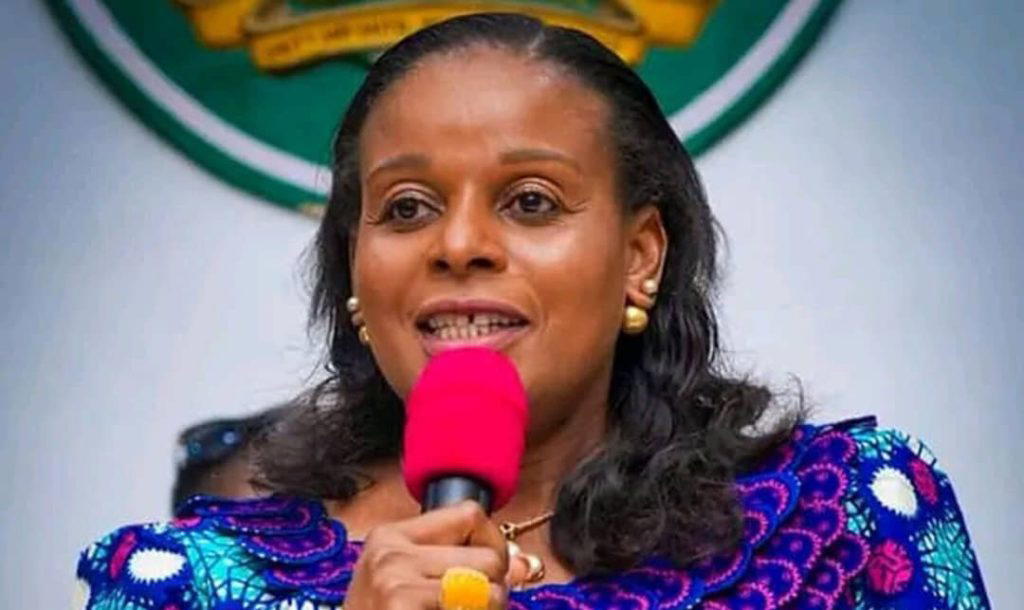

When conscience finds its voice, By Dakuku Peterside
Summarized and contextualized by DistantNews.
At a glance
Opinion
Sources not specified
Context piece
- A group of ten prominent Nigerians has issued a statement urging national reflection on the country's deepening crises, including insecurity and declining public trust.
- The statement highlights widespread anxieties about safety, election integrity, and the fairness of public institutions, suggesting a fraying social fabric.
- The author argues that Nigeria is at a critical juncture where silence is no longer an option, and leaders must confront these issues rather than dismiss the warnings.
Nigeria stands at a precipice, a moment where prolonged silence risks becoming complicity in the nation's decay. This sentiment is articulated by Dakuku Peterside, who observes that patience has worn thin, and restraint now resembles indifference. He posits that nations falter not solely due to the boldness of wrongdoers, but also when decent citizens and responsible institutions remain silent in the face of evident danger.
Every nation eventually reaches a point where silence stops being prudence and becomes complicity.
A recent statement by ten eminent Nigerians, including former INEC Chairman Prof. Attahiru Muhammadu Jega and diplomat Prof. Ibrahim Gambari, underscores this national distress. Their intervention, though potentially open to disagreement on specifics, addresses critical issues such as thinning public trust, pervasive insecurity, and deep-seated suspicions surrounding elections. Confidence in the judiciary is described as fragile, and institutions meant to inspire faith often provoke doubt, reflecting a wider societal malaise.
Nations do not decline only because bad actors are bold. They also decline because decent citizens, respected leaders and responsible institutions choose silence when danger is plain.
Peterside emphasizes that the anxieties expressed by these citizens resonate with the lived experiences of millions. He poses critical questions: Do citizens feel safer? Do they trust elections more? Do they believe public institutions are becoming more independent and accountable? Do they feel the government listens to their suffering or only seeks applause? These are the fundamental questions that demand confrontation from serious leadership.
The real question is not whether every sentence in their statement is beyond dispute. No public intervention enjoys that privilege. The question is whether the anxieties expressed correspond with the lived experience of millions of Nigerians.
The author cautions against attacking the messengers of moral warnings, comparing it to blaming a fire alarm for the fire. He asserts that a statesman who warns of danger is not inherently an enemy of the government. True wisdom, he argues, lies in listening beyond tone and political suspicion to discern the truth in the warning. Self-examination, rather than denial, is presented as the path to effective leadership, especially as Nigeria's mounting crises feed into one another, impacting everything from farming and trade to education and investment.
A statesman who warns of danger is not automatically an enemy of government.
DistantNews Editorial
Originally published by Premium Times. Summarized and contextualized by our editorial team with added local perspective. Read our editorial standards.
More Stories


From Our Blog

How the Same Story Looks Different in Different Countries

What Gets Lost (and Found) When News Is Translated

The Critical Role of Diaspora Media in Global News

What Travellers Should Know About Countries with Restricted Press

A Digital Nomad's Guide to Following Local News
