

When does autumn begin in Mexico? The exact date and time of the equinox
Translated from Spanish and summarized by DistantNews. Read the original for the full story.
At a glance
Explainer
Named sources
Context piece
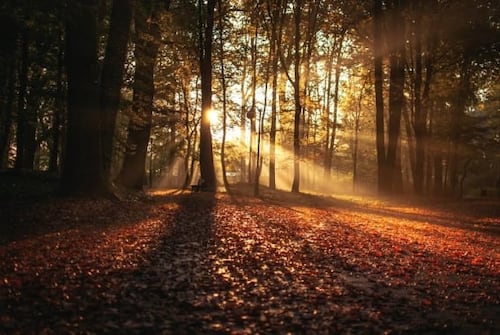
- Autumn begins astronomically in Mexico on Tuesday, September 22, at 6:06 p.m. local time in central Mexico, according to the cited UTC conversion.
- The equinox brings shorter days, longer nights and a gradual cooling trend as cold fronts and polar air masses enter parts of the country.
- Early autumn can offer favorable conditions for observing Jupiter and Saturn, especially away from urban light pollution.
Autumn arrives in central Mexico at 6:06 p.m. on Tuesday, September 22, according to the time conversion cited from astronomy site Star Walk. Globally, the Northern Hemisphere equinox occurs on September 23 at 00:06 UTC.
The equinox marks the point when the Sun sits directly over the celestial equator and sunlight spreads almost equally across both hemispheres. From then on, days in the Northern Hemisphere gradually become shorter, while nights gain minutes until the winter solstice.
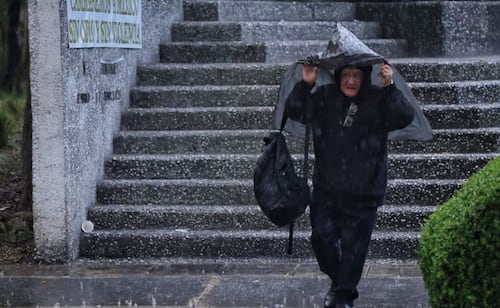
In Mexico, the seasonal shift also coincides with regular cold fronts and polar air masses moving south from the north of the continent. Records from the National Meteorological Service of Mexico's National Water Commission indicate that temperatures decline in several central and northern regions.
The season also offers opportunities for skywatchers. NASA says planets including Jupiter and Saturn can be easier to identify with the naked eye during the first weeks of autumn. The National Astronomical Observatory of the National Autonomous University of Mexico recommends observing away from large urban areas and allowing at least 20 minutes for the eyes to adjust to the darkness.
About this summary
Originally published by El Universal in Spanish. Translated, summarized, and contextualized automatically by DistantNews, with a note on how the source frames the story. Not individually reviewed before publishing. How this works.
More Stories

From Our Blog

What Press Freedom Means for the News You Read

What Gets Lost (and Found) When News Is Translated

The Critical Role of Diaspora Media in Global News

What Travellers Should Know About Countries with Restricted Press

A Digital Nomad's Guide to Following Local News
