


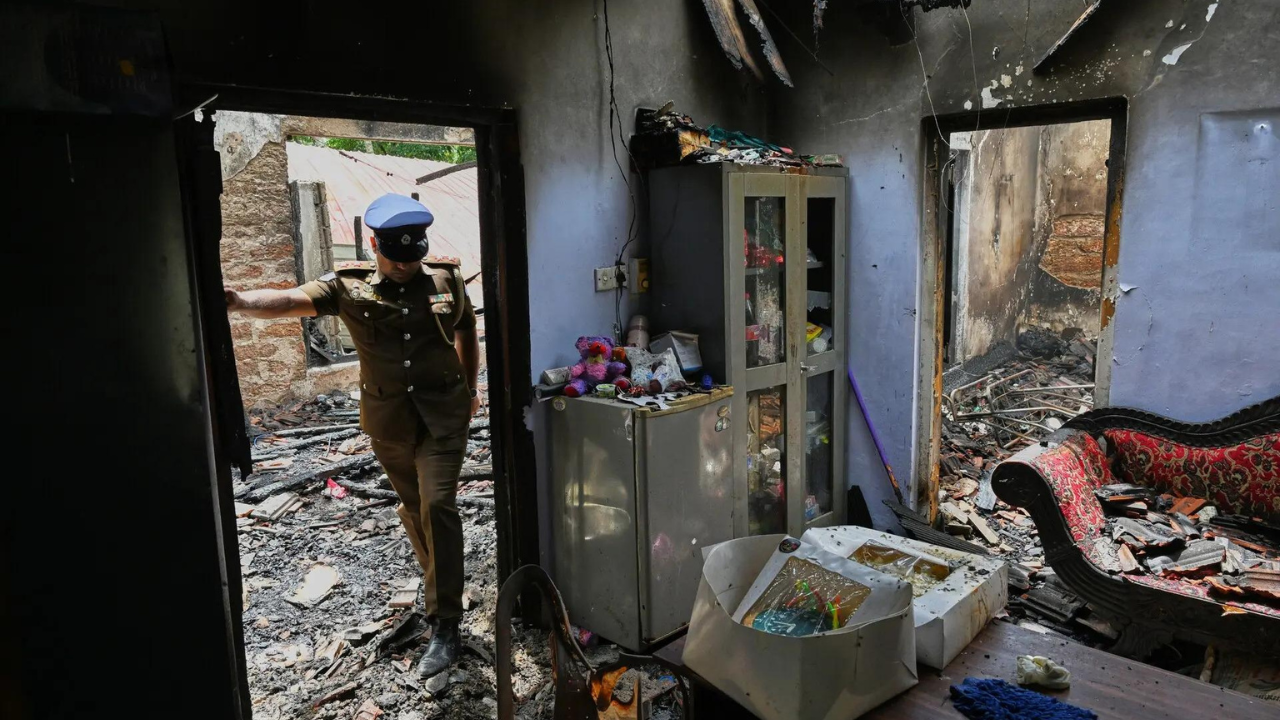
When home becomes the frontline
Summarized and contextualized by DistantNews.
At a glance
News
Named sources
Context piece
- Global housing crisis discussions at the World Urban Forum were contrasted by the realities of war-affected nations.
- Representatives from conflict zones highlighted displacement, destruction, and inadequate reconstruction due to funding gaps and ongoing conflicts.
- The forum addressed issues like 'domicide' and 'urbicide,' questioning why housing isn't a primary response to large-scale military conflicts.
The World Urban Forum in Baku, Azerbaijan, highlighted a stark divide between global housing crisis solutions and the devastating realities faced by war-torn nations. While development-focused strategies were discussed, representatives from conflict-affected regions brought urgent humanitarian challenges to the forefront. They spoke of massive displacement, widespread destruction of homes, and the critical inadequacy of reconstruction efforts, exacerbated by funding shortages and persistent conflicts.
Resilience begins with the right to stay.
Palestinian representatives at the forum emphasized the "right to stay" as the foundation of resilience, especially amidst the heavy bombing in Gaza. Estimates suggest 39 million tonnes of rubble and buried bodies remain, with nearly the entire population internally displaced and an estimated 83% of structures damaged or destroyed. Municipalities like Khan Younis are overwhelmed, operating at five times their capacity, facing severe sanitation issues due to damaged waste and water systems.
With heavy bombing in Gaza, there is a lot of rubble -- by some estimates, 39 million tonnes -- and dead bodies buried under it.
Ukrainian delegates showcased their determination to rebuild, presenting models of destroyed and restored residential structures. Their pavilion also featured a symbolic underground school, designed to protect children from bombardment, with a playground above for safer times. The concept of "domicide" and "urbicide", the deliberate destruction of homes and urban spaces, leading to the loss of memory and identity, was central to discussions, particularly in the context of the UN-Habitat World Cities report released at the forum.
By early 2026, almost the entire population were internally displaced people, many of them multiple times, said the World Cities report, with an estimated 83% of structures damaged or destroyed.
Experts at the forum grappled with fundamental questions: Why is housing not prioritized in crisis response, especially given the unprecedented scale of modern military conflicts? What is truly required to rebuild at such a massive scale and speed? The discussions underscored the profound human cost of conflict, where the destruction of homes is not just a physical loss but an assault on memory, identity, and the very possibility of a future.
Municipalities such as Khan Younis, which have not been completely destroyed, are taking in people at five times their capacity.
DistantNews Editorial
Originally published by Hindustan Times. Summarized and contextualized by our editorial team with added local perspective. Read our editorial standards.
More Stories

From Our Blog

What Press Freedom Means for the News You Read

What Gets Lost (and Found) When News Is Translated

The Critical Role of Diaspora Media in Global News

What Travellers Should Know About Countries with Restricted Press

A Digital Nomad's Guide to Following Local News
