

White Horses and Cavalry: Leaders Evoke History for Legitimacy
Translated from Korean, summarized and contextualized by DistantNews.
At a glance
Analysis
Sources not specified
Context piece
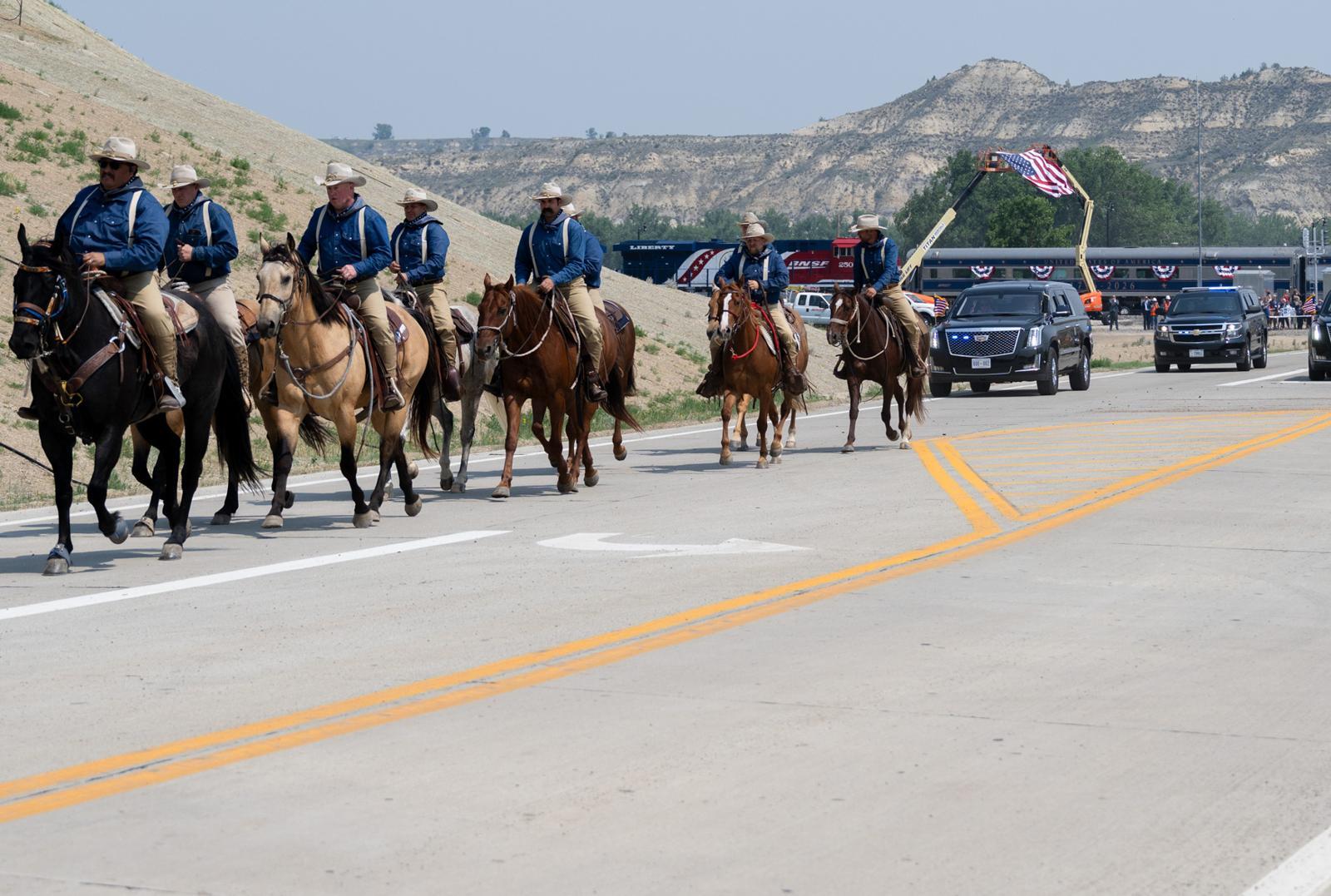
- Ahead of the U.S. 250th anniversary, Donald Trump appeared with a reenactment cavalry unit, evoking Theodore Roosevelt.
- The event aimed to associate Trump with Roosevelt's image as a "great he-man" and a leader who revitalized America.
- This imagery also draws a parallel with North Korean leader Kim Jong Un's use of a white horse, a symbol of revolutionary legitimacy in his family's history.
As the United States approaches its 250th anniversary, Donald Trump has employed imagery that evokes historical figures and national pride. During a recent event, a cavalry unit reenacting the "Rough Riders," organized by Theodore Roosevelt in 1898, appeared before Trump's motorcade. Trump praised Roosevelt as a "great he-man" and a leader who revitalized the nation, positioning himself within that legacy. This move by the White House appears calculated to elevate Trump to a similar stature as the founding generation's president for the nation's 250th anniversary.
The symbolism of Trump on horseback, or associated with such imagery, draws a striking parallel to North Korean leader Kim Jong Un. For the Kim dynasty, the white horse is not merely a prop but a deeply ingrained symbol of revolutionary legitimacy. Kim Il Sung, the founder, was depicted riding a white horse during his anti-Japanese guerrilla activities in Manchuria, a narrative used to solidify his image as a revolutionary leader. The use of the white horse by Kim Jong Un continues this tradition, reinforcing his connection to the founding myths of North Korea.
While Trump's use of historical reenactment aims to project an image of strength and American revival, Kim Jong Un's reliance on the white horse taps into a carefully constructed historical narrative. Both leaders, in their distinct contexts, leverage powerful symbols to shape public perception and legitimize their leadership, highlighting the enduring role of historical imagery in political communication.
DistantNews Editorial
Originally published by Dong-A Ilbo in Korean. Translated, summarized, and contextualized by our editorial team with added local perspective. Read our editorial standards.
More Stories



From Our Blog

What Gets Lost (and Found) When News Is Translated

The Critical Role of Diaspora Media in Global News

What Travellers Should Know About Countries with Restricted Press

A Digital Nomad's Guide to Following Local News

How the Same Story Looks Different in Different Countries
