


White House defends Iran agreement as U.S. lifts Strait of Hormuz blockade
Summarized and contextualized by DistantNews.
At a glance
News
Named sources
New plan
- The U.S. announced it is lifting the blockade of the Strait of Hormuz, allowing ships to pass after a wartime standstill.
- Iran's Supreme Leader Mojtaba Khamenei described the U.S. deal as a sign of "desperation" from President Trump.
- The agreement includes lifting sanctions on Iranian oil and requires Iran to downblend its enriched uranium, with the UN nuclear watchdog involved in implementation.
The United States has announced the lifting of its naval blockade on the Strait of Hormuz, a critical waterway that has seen sea traffic come to a standstill since the onset of the war. This move signals a significant de-escalation and aims to restore normal shipping operations.
desperation
However, Iran's Supreme Leader Mojtaba Khamenei characterized the agreement with the U.S. as a result of President Trump's "desperation." This framing suggests a continued underlying tension and differing perspectives on the motivations behind the deal.
Vice President J.D. Vance, now a prominent figure in President Donald Trump's foreign policy, defended the agreement, stating it is already yielding "real fruits" for the American people. He emphasized that Iran's economic struggles necessitate behavioral changes for integration into the global economy, and the deal is structured to verify these changes.
First of all, I think the president's peace plan in Iran is already bearing real fruits for the American people.
The 14-point memorandum of understanding not only opens the Strait of Hormuz but also lifts immediate sanctions on Iranian oil and petroleum products. It mandates that Iran downblend its highly enriched uranium and sets the stage for future discussions on the country's nuclear ambitions. The United Nations nuclear watchdog has welcomed the interim agreement and will participate in technical discussions for its implementation.
Their economy is in absolute dire straits. But in order for them to get any integration into the world economy, they're going to have to show us and verify for us that they are changing their behavior. And that's why the deal is set up in the way that it is.
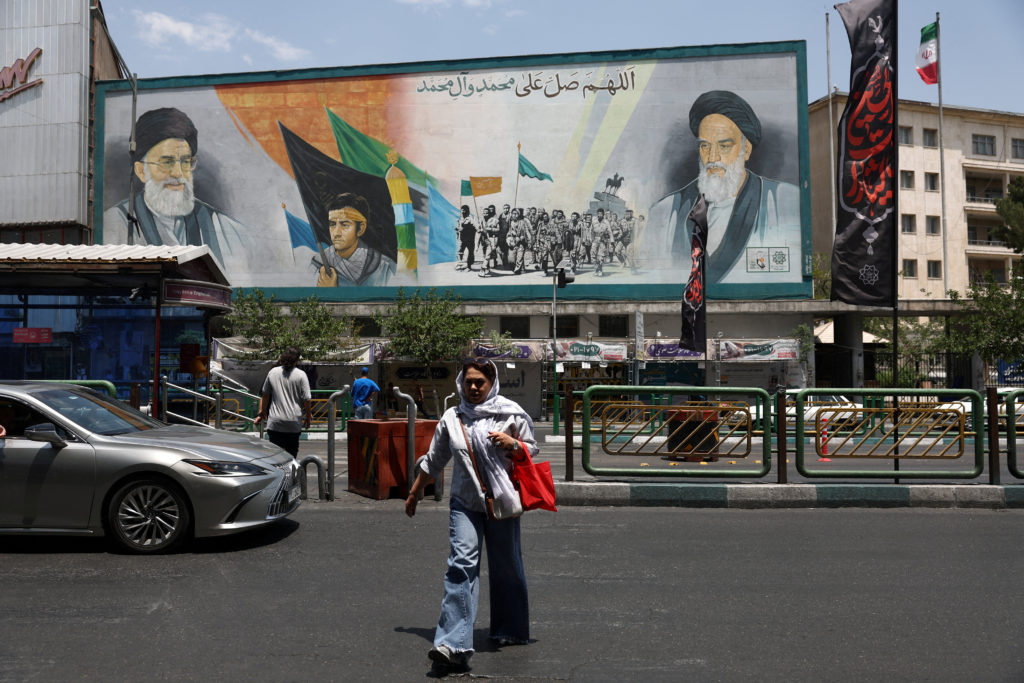
Despite the official U.S. pronouncements and the UN's involvement, reactions in Tehran and Tel Aviv have been mixed, with skepticism and pessimism voiced by some residents. One Tehran resident expressed a lack of hope, citing past U.S. actions as evidence of untrustworthiness, while an Israeli resident noted the agreement does not end the war or the animosity.
And now it's for us to sit down with our American colleagues, our Iranian colleagues, and start formulating the concrete steps that will have to be taken.
DistantNews Editorial
Originally published by PBS NewsHour. Summarized and contextualized by our editorial team with added local perspective. Read our editorial standards.
More Stories


From Our Blog

How the Same Story Looks Different in Different Countries

What Gets Lost (and Found) When News Is Translated

The Critical Role of Diaspora Media in Global News

What Travellers Should Know About Countries with Restricted Press

A Digital Nomad's Guide to Following Local News
