


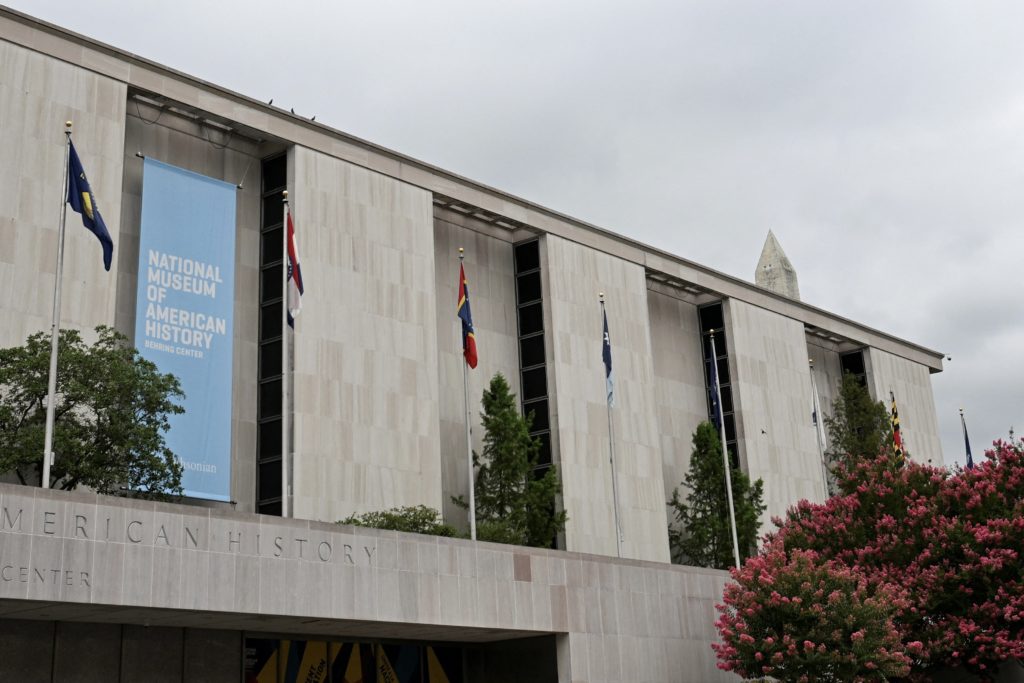
White House report brands Smithsonian leadership as radical activists who can't be trusted
Summarized and contextualized by DistantNews.
At a glance
News
Official statement
New plan
- A White House report accuses the Smithsonian Institution's leadership, particularly at the National Museum of American History, of being "radical activists" untrustworthy to tell America's story.
- The report suggests President Trump may be preparing to replace the institution's leadership with his own team.
- The White House claims the museum's mission has shifted from historical education to "extreme political activism" that seeks to transform the country.
A critical White House report has branded the leadership of the Smithsonian Institution, especially at the National Museum of American History, as "radical activists" who cannot be trusted to present American history accurately. The report, released by the White House Domestic Policy Council, suggests President Donald Trump is poised to install his own team within the venerable cultural institution.
The Smithsonian Institution, and the National Museum of American History in particular, under its current leadership and current interpretive ideology, cannot be trusted to tell America's story honestly and in a way that is inspiring, unifying, and worthy of our great republic.
The report comes amid Trump's broader campaign to reshape institutions he views as promoting "divisive narratives" and "improper ideology." The White House specifically targets the Smithsonian's current interpretive ideology, asserting that it has moved away from "straightforward historical education and scholarship" towards "extreme political activism." The authors of the report claim this ideological shift seeks to "transform our country."
As this report shows, confirmed in the words of Museum leadership, this ideological capture has moved the Museum's mission away from straightforward historical education and scholarship toward an extreme political activism that seeks to transform our country.
Historian Lonnie Bunch, the current secretary of the Smithsonian and the first African American to lead the institution, has previously spoken about the importance of understanding America's history to foster a "more perfect union." In a recent interview, Bunch emphasized the responsibility to make historical aspirations accessible and meaningful to a wide range of people, stating that America's strength lies in confronting its history rather than running from it.
the notion of being a more perfect union, not the perfect union, is really what motivates me.
The Trump administration's efforts to influence cultural institutions extend beyond the Smithsonian. The president previously intervened at the John F. Kennedy Center for the Performing Arts, aiming to overhaul its programming. These actions signal a pattern of the administration seeking to align cultural and historical narratives with conservative sensibilities, sparking debate about the role of these institutions in shaping national identity.
I think what I want people to understand is that there is a responsibility to continue to make those aspirations available, accessible, meaningful to a whole range of people.
DistantNews Editorial
Originally published by PBS NewsHour. Summarized and contextualized by our editorial team with added local perspective. Read our editorial standards.
More Stories


From Our Blog

How the Same Story Looks Different in Different Countries

What Gets Lost (and Found) When News Is Translated

The Critical Role of Diaspora Media in Global News

What Travellers Should Know About Countries with Restricted Press

A Digital Nomad's Guide to Following Local News
