

WHO: Venezuela earthquake death toll likely to rise significantly; health workers among victims
Translated from Spanish, summarized and contextualized by DistantNews.
At a glance
News
Named sources
Ongoing story
- The World Health Organization predicts Venezuela's death toll from recent earthquakes will rise significantly as search and rescue efforts transition to recovery.
- The WHO is coordinating international medical teams and supporting Venezuela's strained national health system, which faces shortages due to years of underinvestment and a financial crisis.
- An unspecified number of healthcare workers have died, disappeared, or been affected by the earthquakes, exacerbating existing critical shortages of medical supplies and personnel.
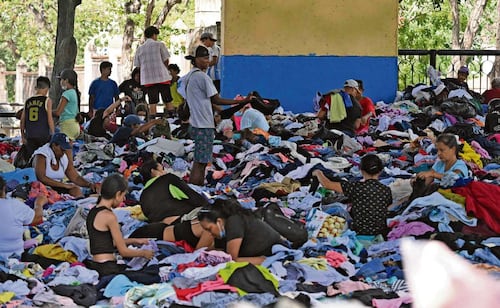
The World Health Organization warns that Venezuela's death toll from a recent earthquake is likely to increase substantially as recovery efforts begin. The agency highlighted that the disaster struck a health system already weakened by years of underinvestment and financial crisis, leading to a significant exodus of medical personnel.
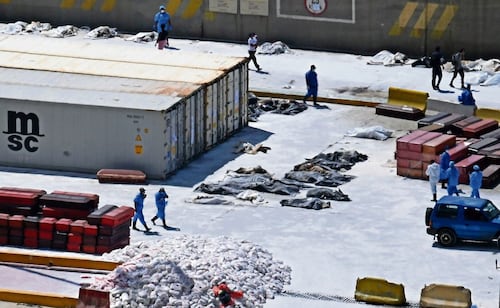
Tedros Adhanom Ghebreyesus, the WHO's Director-General, stated that the earthquake has already caused over 2,300 deaths, more than 5,000 injuries, and left nearly 16,000 people homeless. The WHO is actively coordinating international emergency medical teams on the ground, providing aid to the injured, and supporting the national health system's capacity to deliver essential services.
The impact on healthcare services and personnel is severe. An unspecified number of health workers have been killed, gone missing, or injured. A WHO emergency official noted that the head of La Guaira's maternal care network is presumed dead, directly impacting the health response. Even before the earthquake, Venezuela faced critical shortages, with up to 37% of essential medicines missing in many hospitals.
The WHO has released $1.5 million from its Emergency Contingency Fund and dispatched over six tons of supplies, with an additional 28 tons expected. Venezuela has formally requested international medical teams, and seven are currently operational in affected areas, despite pre-existing challenges that have led many healthcare professionals to leave the country.
DistantNews Editorial
Originally published by El Universal in Spanish. Translated, summarized, and contextualized by our editorial team with added local perspective. Read our editorial standards.
More Stories
From Our Blog

What Press Freedom Means for the News You Read

What Gets Lost (and Found) When News Is Translated

The Critical Role of Diaspora Media in Global News

What Travellers Should Know About Countries with Restricted Press

A Digital Nomad's Guide to Following Local News
