


Who wanted Romanians poor and 'stupid'? The dark chronicle of Romanian modernity's beginnings
Translated from Romanian, summarized and contextualized by DistantNews.
At a glance
In-depth
Sources not specified
Context piece
- Early 20th-century Romania was a nation of impoverished, illiterate peasants, with 80-90% of the population living in rural areas.
- Conservative political and religious elites intentionally kept the majority of Romanians uneducated to maintain their privileges and ensure a subservient labor force.
- Ineffective laws and their poor implementation further exacerbated the social and economic disaster, leaving peasants at the mercy of landowners.
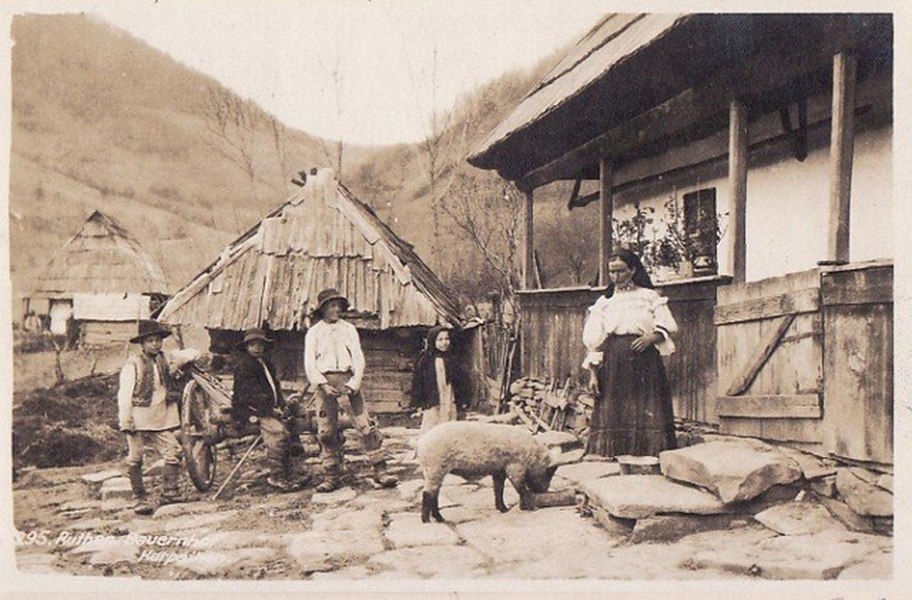
At the dawn of the modern era, Romania was a land defined by the stark realities of rural poverty and widespread illiteracy. Statistics from the late 19th century reveal that between 80% and 90% of the population resided in the countryside, with most subsisting on agriculture. While urban centers like Bucharest and Iasi impressed foreign visitors, the vast majority of Romanians lived in villages, often in conditions of severe hardship.
The Romanian political class, as well as the great landowners, secular and religious, kept the majority of the Romanian people in darkness.
This widespread hardship was compounded by a staggering illiteracy rate, with approximately 82% of the population unable to read or write, according to a 1906 census. Laws intended to improve the lives of the rural majority frequently proved ineffective, poorly enforced, or manipulated to benefit a privileged political class. Peasants often remained subject to the whims of large landowners and leaseholders, a situation with profound social and economic consequences.
A segment of the elite, influenced by Western European ideas, did advocate for modernization and established schools for peasant children. However, a significant portion of the feudal aristocracy, both secular and religious, remained deeply conservative. They feared that educating the peasantry would diminish their economic dependence and reduce the number of available laborers for their estates and traditional obligations.
The peasant remained at the mercy of the great landowners and leaseholders.
This resistance to widespread education meant that a large part of the Romanian population was kept in a state of ignorance, serving as little more than a labor force and a "beast of burden" for the ruling classes. The article suggests this deliberate suppression of knowledge was a key factor in the nation's struggle during the early modern period.
Many of the great landowners feared that the expansion of education would reduce the economic dependence of the rural population.
DistantNews Editorial
Originally published by Adevărul in Romanian. Translated, summarized, and contextualized by our editorial team with added local perspective. Read our editorial standards.
More Stories



From Our Blog

What Gets Lost (and Found) When News Is Translated

The Critical Role of Diaspora Media in Global News

What Travellers Should Know About Countries with Restricted Press

A Digital Nomad's Guide to Following Local News

How the Same Story Looks Different in Different Countries
