


WHO Warns Unsafe Food Sickens 860 Million Annually, Affecting Children Most
Translated from Romanian, summarized and contextualized by DistantNews.
At a glance
News
Sources not specified
New plan
- The World Health Organization warns that 860 million people fall ill annually from unsafe food, causing 1.5 million deaths.
- Foodborne illnesses pose a significant global public health threat, with estimated productivity losses of $310 billion in 2021.
- Children under five are disproportionately affected, accounting for nearly a third of cases and 143,000 deaths in 2021.
The World Health Organization (WHO) has issued a stark warning regarding the global impact of unsafe food, revealing that 860 million people fall ill each year, leading to approximately 1.5 million deaths. This alarming figure highlights foodborne illnesses as a major threat to public health worldwide, generating substantial economic costs. In 2021 alone, these illnesses resulted in productivity losses estimated at $310 billion, according to the WHO's latest report released ahead of World Food Safety Day.
Food safety is not an abstract issue – it affects every meal, every family, every day.
"Food safety is not an abstract issue – it affects every meal, every family, every day," stated WHO Director-General Tedros Adhanom Ghebreyesus. The report emphasizes that many of these illnesses and deaths could be prevented through improved access to safe drinking water, better hygiene and sanitation, adherence to food safety standards like pasteurization, and more accessible healthcare for vulnerable populations.
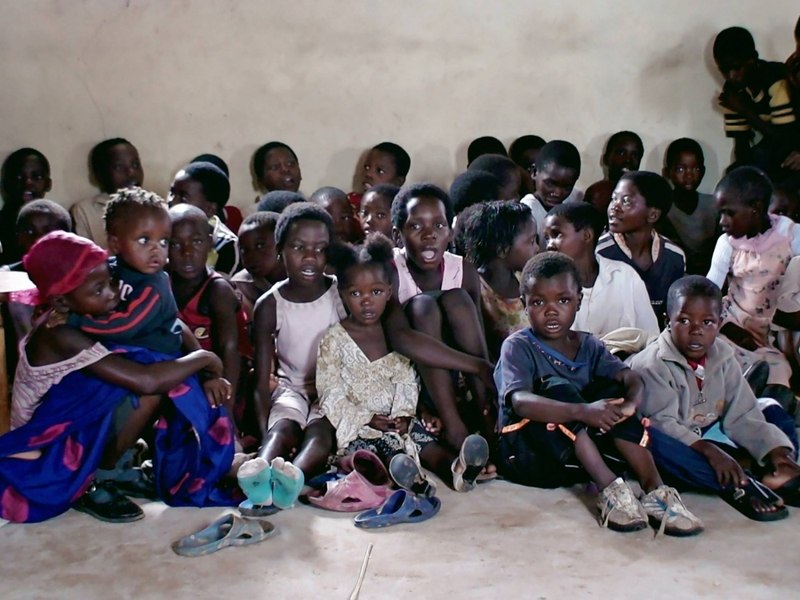
Children under the age of five bear a disproportionate burden of foodborne diseases. Despite making up only 9% of the global population, they account for nearly one-third of all foodborne illness cases. These young children face a threefold higher risk of severe complications compared to adults. In 2021, an estimated 143,000 children under five died from conditions linked to contaminated food. Beyond infections, children are also more susceptible to chemical contaminants in food, which can impair brain development and lead to long-term neurological or developmental issues.
Children under five bear a disproportionate burden of foodborne diseases. Despite making up only 9% of the global population, they account for nearly one-third of all foodborne illness cases.
The WHO report also points to significant regional disparities, with Africa and Southeast Asia collectively accounting for nearly three-quarters of all foodborne illnesses and about 60% of global deaths. Populations in low- and middle-income countries are the most affected due to limited access to effective sanitary control systems and healthcare services. Experts caution that climate change, with rising temperatures and extreme weather events, is likely to exacerbate these risks by promoting the growth and spread of pathogens.
Children under five bear a disproportionate burden of foodborne diseases. Despite making up only 9% of the global population, they account for nearly one-third of all foodborne illness cases. These young children face a threefold higher risk of severe complications compared to adults. In 2021, an estimated 143,000 children under five died from conditions linked to contaminated food.
DistantNews Editorial
Originally published by Adevărul in Romanian. Translated, summarized, and contextualized by our editorial team with added local perspective. Read our editorial standards.
More Stories


From Our Blog

What Gets Lost (and Found) When News Is Translated

The Critical Role of Diaspora Media in Global News

What Travellers Should Know About Countries with Restricted Press

A Digital Nomad's Guide to Following Local News

How the Same Story Looks Different in Different Countries
