


Why a vote on taxing California’s billionaires is being watched around the world
Summarized and contextualized by DistantNews.
At a glance
News
Sources not specified
Ongoing story
- California is set to vote in November on a one-time 5% wealth tax for billionaires, potentially raising $100 billion for state-funded services.
- Opponents, including Governor Gavin Newsom, argue the tax could drive billionaires and their revenue out of the state.
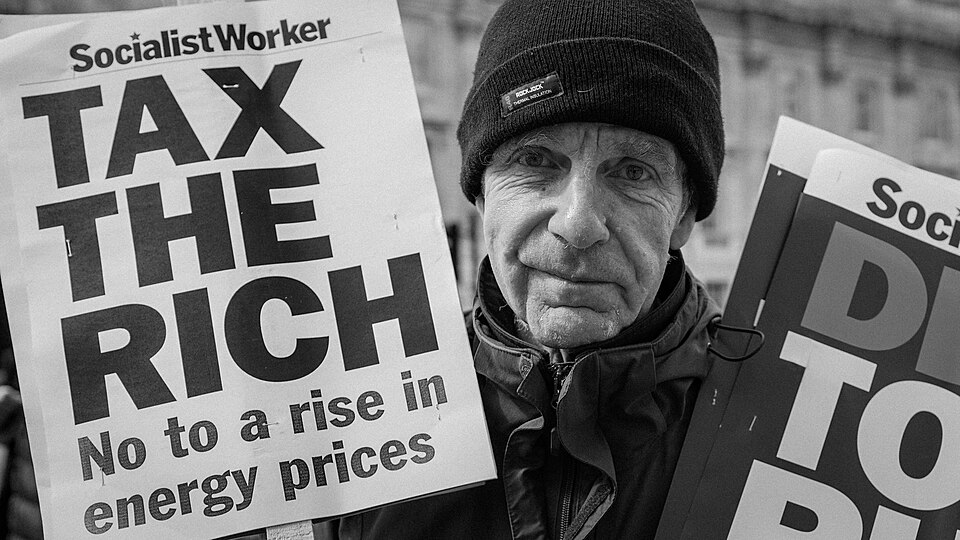
- The proposal is part of a global discussion on rising inequality, with similar measures considered in New York and the UK, and linked to declining worker wages and corporate consolidation.
California is on the cusp of a significant fiscal decision as it prepares to vote in November on a groundbreaking proposal: a one-time 5% tax on the net worth of the state's billionaires. This initiative, if passed, could generate an estimated $100 billion, earmarked for crucial state-funded programs such as healthcare, food assistance, and public education.
hoping to avoid a potential tax bill of US$13 billion, a return of roughly 130 to 1 if that investment is successful.
The debate is already fierce, with prominent figures like Google co-founder Sergey Brin reportedly investing $100 million to oppose the tax, aiming to avoid a potential $13 billion liability. Critics, including California Governor Gavin Newsom, echo concerns that such a measure might prompt the ultra-wealthy to relocate, taking their substantial tax contributions with them. Supporters, however, counter that many billionaires currently pay lower marginal tax rates than average workers and that the revenue is essential to address funding shortfalls, exacerbated by federal cuts to programs like Medicaid.
most billionaires currently pay lower marginal rates of tax than the average worker, and that the revenue is desperately needed to fill gaps in funding created by US President Donald Trump’s cuts to Medicaid.
This California vote is drawing international attention as it reflects a broader global struggle with escalating inequality. Data indicates a declining share of economic output flowing to workers in the U.S., hitting a record low of 52.9% in 2026, while billionaire wealth has surged. This trend is mirrored worldwide, with the number of billionaires reaching a global record of 3,428 in 2026, and figures like Elon Musk briefly becoming the world's first trillionaire.
the measure will drive billionaires and their tax revenue to leave the state.
Discussions around the causes of this widening gap point to globalization, the decline of trade unions, and the rise of corporate consolidation into powerful "superstar firms." These factors collectively reduce competition and suppress wage growth for workers, contributing to the concentration of wealth at the very top. The outcome in California could set a precedent for how other regions grapple with these complex economic challenges.
Proud to Pay
DistantNews Editorial
Originally published by OnlineKhabar English. Summarized and contextualized by our editorial team with added local perspective. Read our editorial standards.
More Stories


From Our Blog

What Gets Lost (and Found) When News Is Translated

The Critical Role of Diaspora Media in Global News

What Travellers Should Know About Countries with Restricted Press

A Digital Nomad's Guide to Following Local News

How the Same Story Looks Different in Different Countries
