

Why Attacking Iran's Energy and Water Infrastructure Is Not a Winning Strategy for the US
Translated from Romanian, summarized and contextualized by DistantNews.
TLDR
- Attacking Iran's critical infrastructure, such as power plants or desalination facilities, is presented as a high-pressure option by some US political circles.
- Analysts warn that such an approach risks uncontrollable consequences, with Iran likely to respond symmetrically, potentially devastating the entire region.
- A direct attack could trigger a global energy crisis and recession, while also causing massive population displacement within Iran.
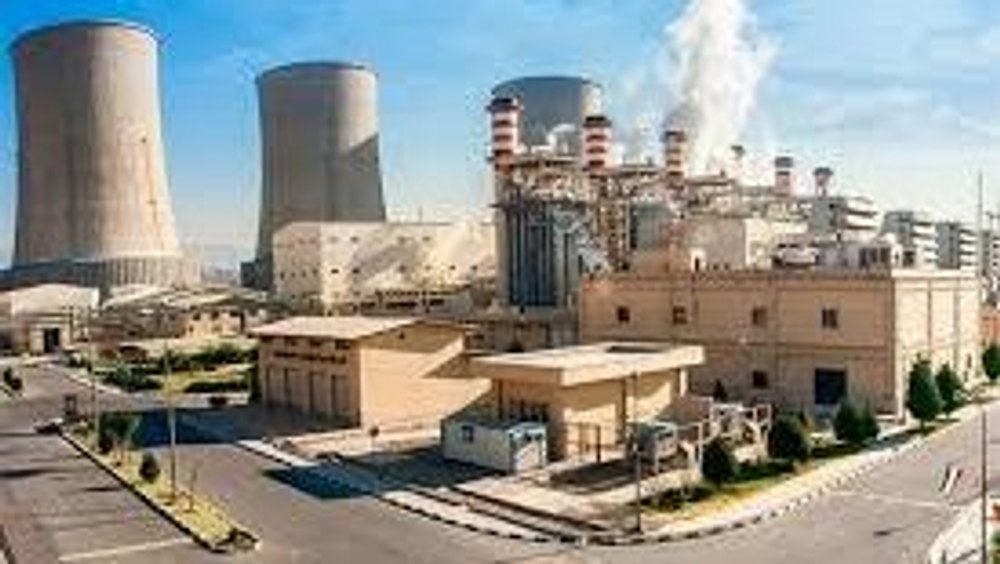
The notion of striking Iran's critical energy and water infrastructure, a strategy floated in some Washington political circles as a "maximum pressure" tactic, is fraught with peril, according to analysts at the Atlantic Council. While President Trump has suggested the complete destruction of Iran's energy infrastructure if no agreement is reached, historical precedent indicates that Tehran's response would likely be symmetrical and potentially catastrophic for the entire Persian Gulf region.
This "symmetry" in Iran's strategic behavior, observed over decades, suggests that attacks on its infrastructure could provoke retaliatory strikes on the energy and water systems of Gulf states. Such a scenario could disrupt millions of barrels of oil production daily, leading to a global energy crisis and potentially a worldwide recession. Even with existing defense systems in the Gulf nations, the scale of simultaneous attacks could overwhelm rapid response capabilities.
Furthermore, the article highlights a fundamental difference in strategic calculation between Washington and Tehran. Iranian leaders do not necessarily adhere to Western military doctrines. Instead, historical experiences, particularly the Iran-Iraq War, have shaped a strategy focused on resilience, self-sufficiency, and asymmetric warfare. Iran's investment in missiles and drones is seen as a means to compensate for a weaker air force, and control over the Strait of Hormuz remains a central element of its strategy. From a Romanian perspective, as presented by Adevărul, this analysis underscores the complex and potentially destabilizing nature of escalating conflict in the Middle East, urging caution against actions that could have far-reaching and devastating regional and global repercussions.
DistantNews Editorial
Originally published by Adevărul in Romanian. Translated, summarized, and contextualized by our editorial team with added local perspective. Read our editorial standards.
More Stories


From Our Blog

What Gets Lost (and Found) When News Is Translated

The Critical Role of Diaspora Media in Global News

What Travellers Should Know About Countries with Restricted Press

A Digital Nomad's Guide to Following Local News

How the Same Story Looks Different in Different Countries
