

Why children and animals should not be left in the car in summer - drivers reminded of the danger
Summarized and contextualized by DistantNews.
At a glance
News
Named sources
Context piece
- Drivers are reminded of the severe danger of leaving children and animals in cars during summer due to rapid overheating.
- Even brief periods in a hot car can cause heatstroke, loss of consciousness, and potentially death for both children and pets.
- Experts emphasize that cars heat up quickly regardless of shade or cracked windows, posing a life-threatening risk.
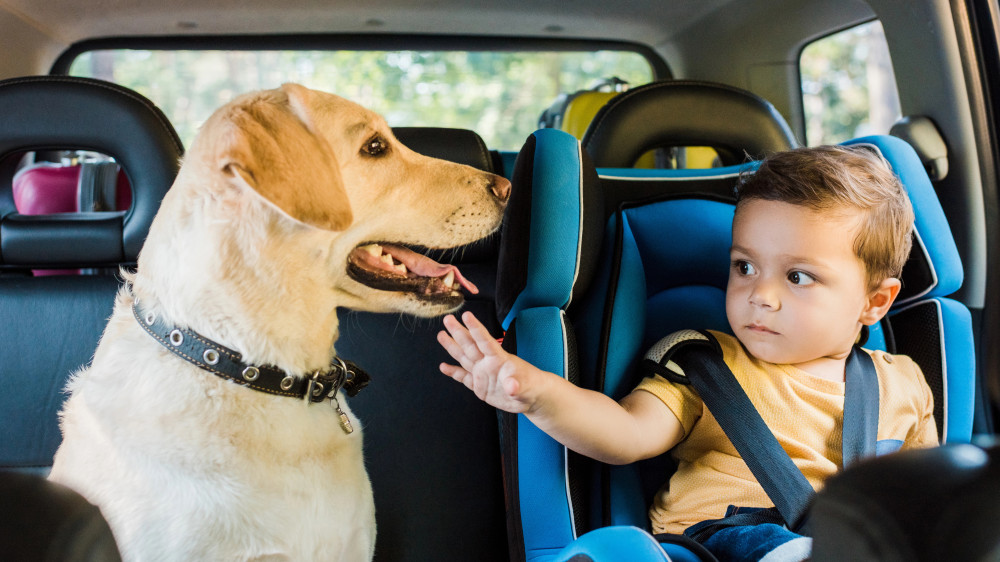
The extreme danger of leaving children and animals unattended in vehicles during hot weather is being highlighted, with experts warning that even a few minutes can have fatal consequences. The specific thermoregulation of children means their bodies overheat significantly faster than adults, making them particularly vulnerable to heatstroke, loss of consciousness, and other severe health issues.
"KazAutoZhol" notes that the belief that a short period in a hot car is harmless is a dangerous misconception. Beyond the rising internal temperature, children may accidentally lock themselves in, close windows, or become trapped and unable to exit. The risk persists even if the car is parked in the shade or has windows slightly ajar, as interior temperatures can still reach life-threatening levels rapidly.
Similar grave risks apply to pets. Animals, like children, overheat much faster than humans. Dogs, for instance, can experience rapid breathing, a critical rise in body temperature, and severe cardiovascular strain during heatstroke. Without immediate access to fresh air and water, their condition can deteriorate swiftly, leading to death. Symptoms of heatstroke in both children and animals can include rapid breathing, dizziness, nausea, low blood pressure, seizures, and internal organ damage, with fatal outcomes possible within 10 to 20 minutes in severe cases.
DistantNews Editorial
Originally published by Tengrinews. Summarized and contextualized by our editorial team with added local perspective. Read our editorial standards.
More Stories
From Our Blog

What Gets Lost (and Found) When News Is Translated

The Critical Role of Diaspora Media in Global News

What Travellers Should Know About Countries with Restricted Press

A Digital Nomad's Guide to Following Local News

How the Same Story Looks Different in Different Countries
