


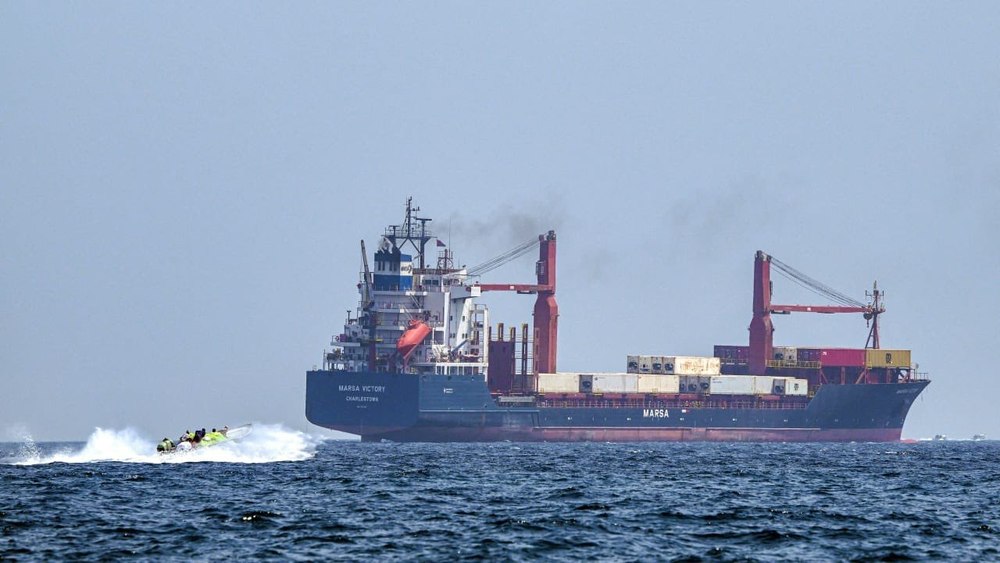
Why 'dark crossings' through the Strait of Hormuz risk turning Iran conflict into an endless war
Translated from Romanian, summarized and contextualized by DistantNews.
At a glance
News
Sources not specified
Context piece
- Commercial vessels are increasingly disabling their identification signals when traversing the Strait of Hormuz, a strategic waterway.
- This practice, known as the "AIS trick," makes ships less visible to potential attackers but risks prolonging the conflict between the US and Iran.
- The situation highlights the complex and dangerous environment of the Strait, with conflicting claims over control and recent incidents involving attacks on vessels.
An increasing number of commercial vessels are turning off their Automatic Identification System (AIS) signals when navigating the Strait of Hormuz. This practice, referred to as the "AIS trick," renders ships less visible to many observers, including Iran, while still allowing them to be detected by radar, drones, and nearby vessels. The strategy aims to enhance security in a region fraught with tension between the United States and Iran, but it creates a "gray zone" that risks indefinitely extending the conflict.
an active AIS signal can represent a "targeting factor" for attackers.
Normally, AIS transponders broadcast a ship's identity, position, direction, and speed. International regulations require these systems to remain active, but the UK Maritime Trade Operations (UKMTO) guidance now suggests that an active AIS signal can act as a "targeting factor" for attackers. Consequently, ship captains may opt to deactivate their transponders for safety, while still being instructed to report their position to monitoring centers and maintain navigation lights.
Last weekend provided a stark example of this doctrine in action. The GFS Galaxy, a container ship under a Cypriot flag, was struck in the Strait, leaving one crew member missing. The United States responded with extensive airstrikes targeting approximately 140 sites in a single night. Despite these actions, both Washington and Tehran continued to assert control over the vital waterway, with the US Central Command stating Iran does not control the Strait, and the Iranian Revolutionary Guard calling it "our territory."
Iran does not control the Strait of Hormuz.
Amidst these conflicting claims, preliminary data indicates that six vessels traversed the Strait on Sunday, all with their AIS transponders deactivated. The UKMTO's updated guidance also advises commanders to anticipate GPS jamming or spoofing, recommending the use of paper charts, radar, visual landmarks for navigation, and dedicated lookouts day and night. This complex operational environment underscores the heightened risks faced by commercial shipping in the Strait of Hormuz.
our territory.
DistantNews Editorial
Originally published by Adevărul in Romanian. Translated, summarized, and contextualized by our editorial team with added local perspective. Read our editorial standards.
More Stories


From Our Blog

What Gets Lost (and Found) When News Is Translated

The Critical Role of Diaspora Media in Global News

What Travellers Should Know About Countries with Restricted Press

A Digital Nomad's Guide to Following Local News

How the Same Story Looks Different in Different Countries
