


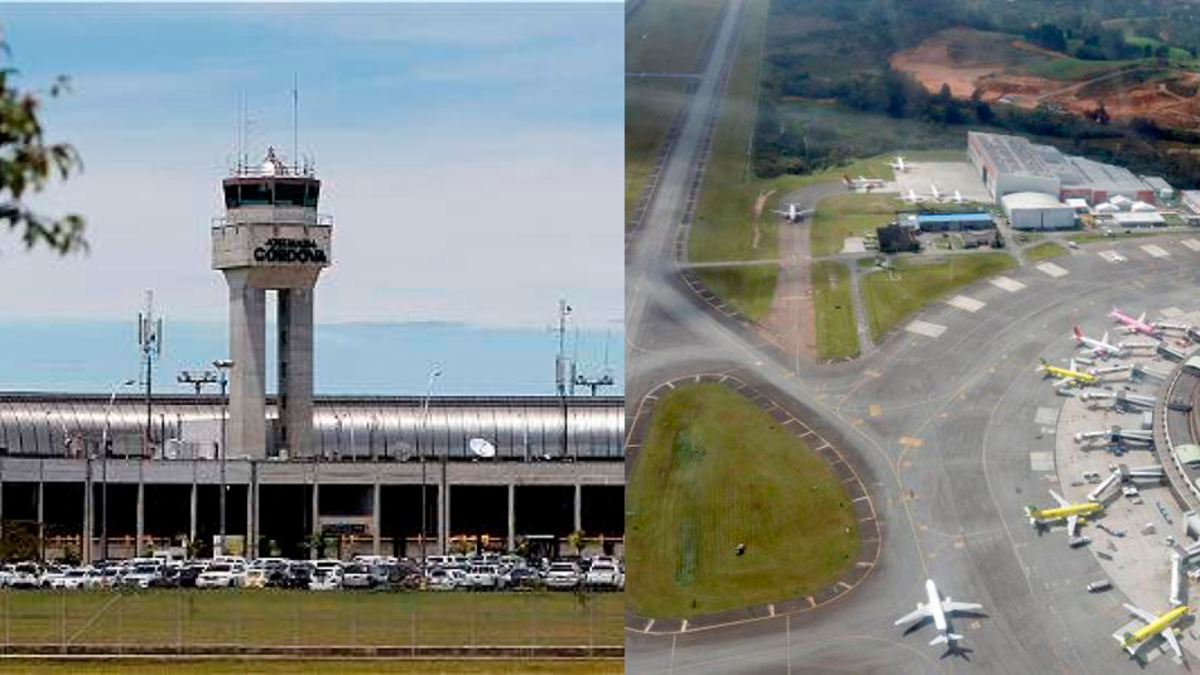
Why did the Petro government exclude Antioquia from its airport plan until 2035?
Translated from Spanish, summarized and contextualized by DistantNews.
At a glance
News
Sources not specified
New plan
- The Colombian government's 2035 airport development plan excludes Antioquia, sparking criticism from regional leaders.
- Critics cite a lack of resources and urge the government to prioritize the region's crucial infrastructure needs.
- The exclusion raises concerns about potential economic and social impacts on Antioquia.
A significant controversy has erupted in Colombia over the national government's airport development plan for the period leading up to 2035. Regional leaders and stakeholders in Antioquia are expressing strong criticism, alleging that the region has been deliberately marginalized from the plan.
The core of the dispute appears to be a perceived lack of resource allocation and prioritization for Antioquia's airport infrastructure. Critics argue that the government, led by President Petro, has failed to include key projects for the region in its long-term strategy. This exclusion is seen not just as an oversight but as a potential impediment to Antioquia's economic growth and connectivity.
Regional leaders are urgently calling on the administration to reconsider its approach. They emphasize the vital role that modern and efficient airports play in fostering trade, tourism, and overall development. The demand is for the government to prioritize these essential upgrades for Antioquia, highlighting the potential negative consequences of continued neglect.
The situation has ignited a debate about equitable development across Colombia, with Antioquia's exclusion from the national airport plan becoming a focal point of regional discontent. The outcome of these discussions could significantly impact the future of transportation and economic activity in one of Colombia's most important regions.
DistantNews Editorial
Originally published by El Tiempo in Spanish. Translated, summarized, and contextualized by our editorial team with added local perspective. Read our editorial standards.
More Stories


From Our Blog

What Gets Lost (and Found) When News Is Translated

The Critical Role of Diaspora Media in Global News

What Travellers Should Know About Countries with Restricted Press

A Digital Nomad's Guide to Following Local News

How the Same Story Looks Different in Different Countries
