


Why DNA testing matters when disaster victims cannot be identified
Summarized by DistantNews. Read the original for the full story.
At a glance
Explainer
Named sources
Ongoing story
- Authorities have identified and returned fewer than 100 of the 1,290 bodies recovered after devastating floods in Rasuwa.
- Floods, landslides, mud and prolonged exposure to water can make identification through appearance, clothing or belongings difficult.
- Forensic specialists use DNA profiles from remains and biological relatives to establish identity, including through samples from blood, mouth swabs, hair, skin, bones or teeth.
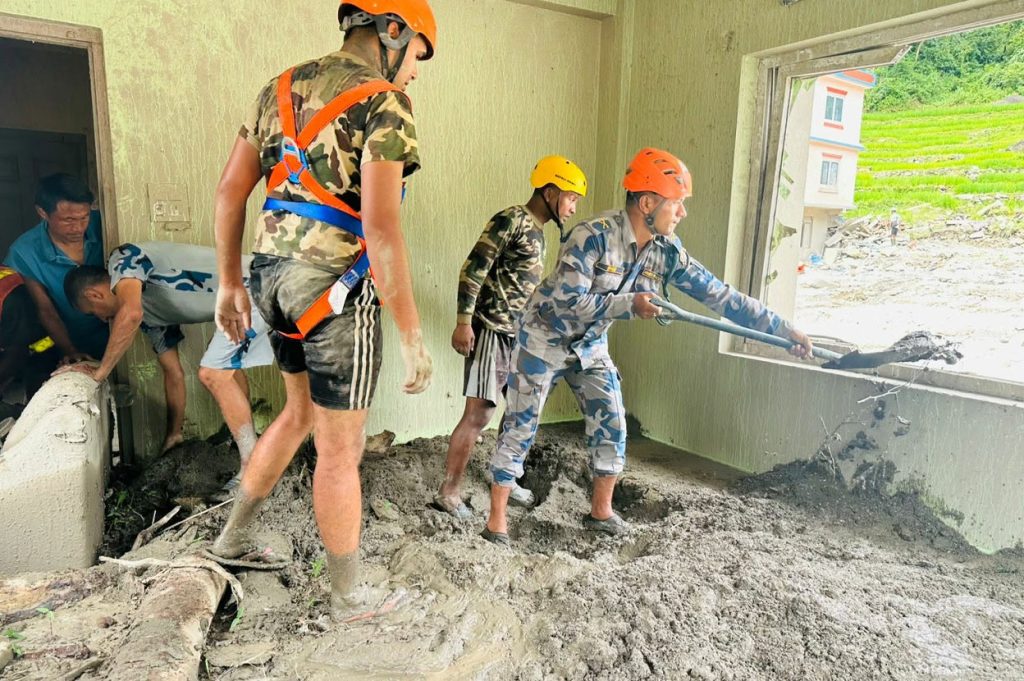
Of the 1,290 bodies recovered after devastating floods in Nepal's Rasuwa district, fewer than 100 have been identified and returned to their families. The gap illustrates one of the hardest tasks after a major disaster: determining who the dead are.
Floods and landslides can severely damage bodies. Some remain buried in mud or submerged for long periods, while others are recovered only in part. In such conditions, clothing, appearance and personal belongings may not provide enough evidence for identification.
DNA testing offers a forensic alternative. DNA, or deoxyribonucleic acid, is the genetic material found in human cells and tissues. Relatives share genetic material, but each person has a distinctive combination of genetic characteristics. That allows investigators to compare a profile from unidentified remains with profiles obtained from biological relatives.
The process involves collecting a biological sample, extracting DNA and generating a profile in a laboratory. Scientists then use genetic and statistical analysis to assess how strongly the evidence supports a particular identification. The conclusion does not rest simply on whether two samples match by a percentage.
Blood is one source, but it is not the only one. Investigators can also use mouth swabs, hair, skin and other cells containing a nucleus. When a body has been badly damaged or decomposed, DNA testing may still be possible using bones or teeth. Dr Gopal Chaudhary, a forensic expert, said, “Every person has a different genetic combination.”
The basic material of chromosomes is DNA. Every person has a different genetic combination.
About this summary
Originally published by OnlineKhabar English. Summarized and contextualized automatically by DistantNews, with a note on how the source frames the story. Not individually reviewed before publishing. How this works.
More Stories


From Our Blog

News in Translation: What Gets Lost, and How We Keep the Framing

Diaspora Media: How Communities Abroad Follow Home

Traveling Where the Press Is Not Free: How to Read the News There

The Digital Nomad's Guide to Local News

The Same Story, Different Countries: How Coverage Changes at the Border
