


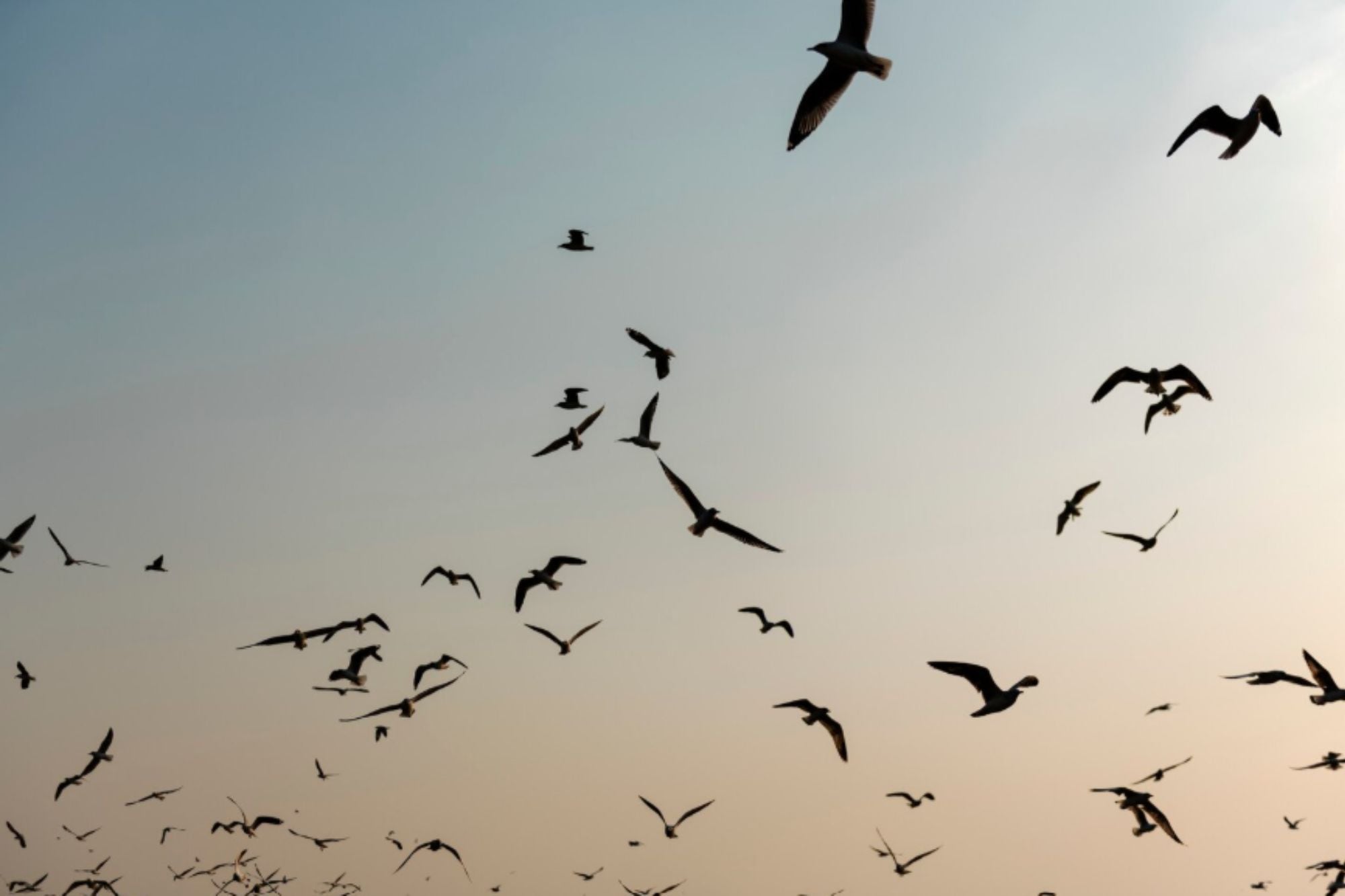
Why Do Birds Fly in Synchronized Flocks? Science Explains
Translated from Spanish, summarized and contextualized by DistantNews.
At a glance
Explainer
Sources not specified
Context piece
- Flying in large, synchronized flocks is a survival strategy for birds, not a random occurrence.
- This behavior enhances safety by improving predator detection and confusing attackers.
- It also conserves energy during long migrations by allowing birds to utilize air currents created by others.
The mesmerizing sight of birds flying in large, synchronized flocks, changing direction with seemingly perfect coordination, is a common natural phenomenon that sparks curiosity. While popular beliefs often associate these aerial displays with symbolism like freedom or new beginnings, science offers a clear biological explanation for this behavior.
From a biological standpoint, flocking is a crucial survival strategy that numerous bird species have developed over millennia. This coordinated movement is far from accidental; it provides significant advantages in facing environmental challenges, primarily in defense against predators and optimizing energy expenditure during travel.
One of the most significant benefits of flying in groups is enhanced safety. A larger number of birds increases the collective ability to detect threats. If a predator approaches, there's a higher chance that one bird will spot it and alert the flock, allowing for an almost immediate reaction. The sheer number of simultaneous movements also serves to disorient predators, making it harder for them to single out and capture prey.
Another key advantage is energy conservation, particularly vital during long migrations. Birds flying in formation can take advantage of the air currents generated by the birds ahead of them. This reduces the physical effort required to cover vast distances, a critical factor for journeys that can span thousands of kilometers. Additionally, flying in groups improves the chances of finding food, as a larger number of individuals increases the probability of locating food sources and sharing that information within the flock.
DistantNews Editorial
Originally published by La Nación in Spanish. Translated, summarized, and contextualized by our editorial team with added local perspective. Read our editorial standards.
More Stories



From Our Blog

What Gets Lost (and Found) When News Is Translated

The Critical Role of Diaspora Media in Global News

What Travellers Should Know About Countries with Restricted Press

A Digital Nomad's Guide to Following Local News

How the Same Story Looks Different in Different Countries
