

Why Do Drone Incidents Often Occur on Weekends? A Security Expert Explains
Translated from Romanian, summarized and contextualized by DistantNews.
At a glance
News
Named sources
Context piece
- Drone incidents in Romania often occur on Fridays or weekends, coinciding with when civilians are home, according to a security expert.
- Russia calculates its attacks to maximize impact on the civilian population, exploiting communication gaps and causing fear.
- The expert downplays the perceived increase in incidents, stating that while more are detected, it doesn't indicate an escalation of diplomatic relations or a direct threat to Romania.
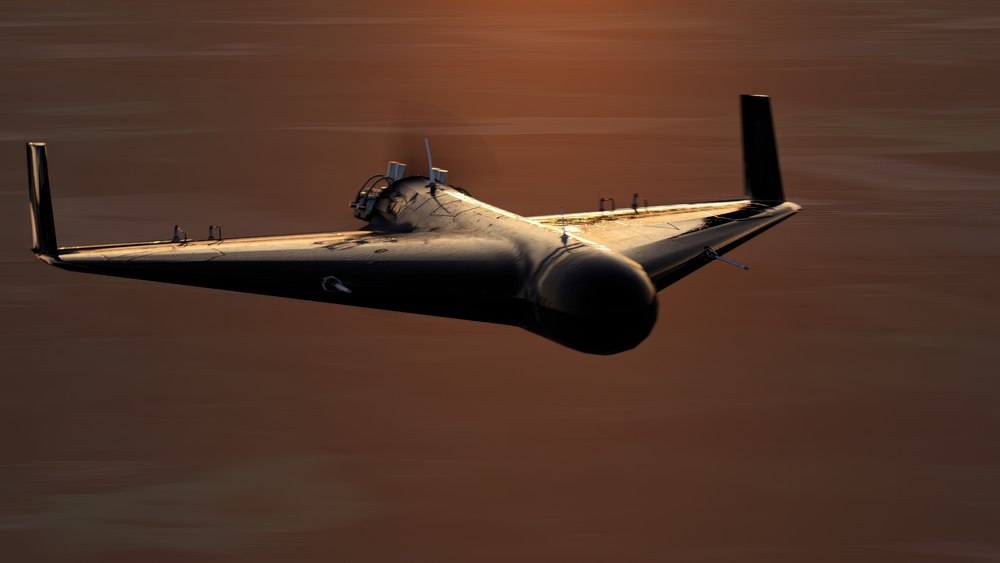
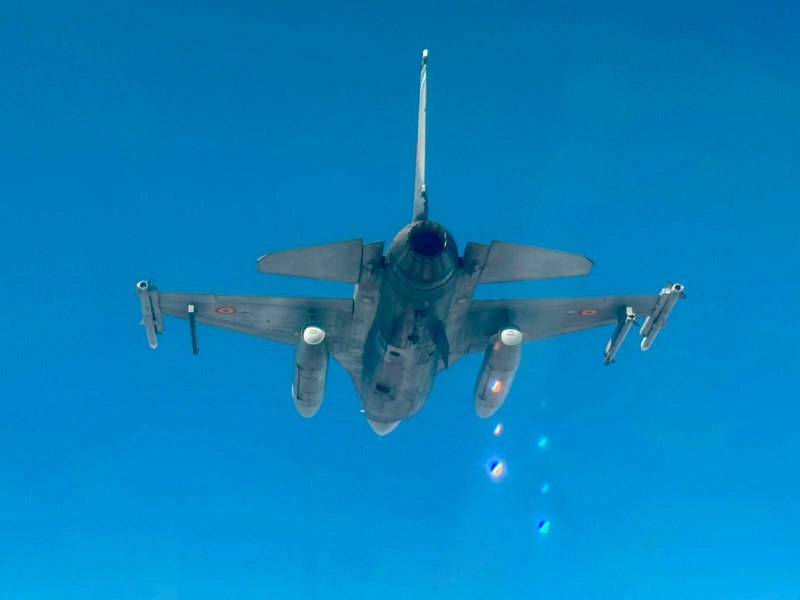
Security expert Hari Bucur-Marcu explained that drone incidents frequently occur on Fridays or during weekends because Russia strategically times its attacks on Ukraine to maximize their impact on the civilian population. This pattern has been observed following a recent incident where a drone illegally entered Romania's airspace and was subsequently destroyed by Spanish F-18 pilots operating within the country.
Russian attacks on Ukraine, as well as similar incidents targeting the Republic of Moldova or Romania, are usually calculated with precision to produce the maximum effect on the population, which is precisely why they often occur on Fridays or during the weekend.
Bucur-Marcu noted that these attacks, including those targeting Moldova and Romania, are precisely calculated. "The Russians know that people are at home, they quickly hear the news, get scared, and react immediately," he stated. The expert also pointed to a lack of official crisis communication in Romania, which he believes allows for widespread speculation and confusion, amplifying public fear.
The Russians know that people are at home, they hear the news quickly, get scared, and react immediately.
Despite the perception that drone incidents have increased, Bucur-Marcu argues this is not entirely accurate. He suggests that while such events have always occurred, they were less publicized due to different communication strategies by institutions. The current visibility of interception measures creates a misleading impression of heightened frequency. He elaborated that Ukraine faces up to a thousand drone attacks daily, and if Russia launches a hundred drones, there's a 1% chance one might stray into Romanian airspace. This, he stressed, does not signify an intention to escalate diplomatic relations or pose a direct threat to Romania.
The statement that drone incidents have multiplied is not true; they existed before, but did not reach the public's attention.
Instead, Bucur-Marcu explained that each drone entering Romanian airspace is likely on a reconnaissance mission. Its purpose is to gather valuable data for its operator, such as the location of radar stations, the response time of intercepting aircraft, and the decision-making process for downing the drone. These details are crucial for the drone's operator, providing intelligence that aids future operations.
This does not indicate an intention to escalate diplomatic relations with Romania or to threaten us in any way, because this was not a drone attack addressed to us.
DistantNews Editorial
Originally published by Adevărul in Romanian. Translated, summarized, and contextualized by our editorial team with added local perspective. Read our editorial standards.
More Stories


From Our Blog

What Gets Lost (and Found) When News Is Translated

The Critical Role of Diaspora Media in Global News

What Travellers Should Know About Countries with Restricted Press

A Digital Nomad's Guide to Following Local News

How the Same Story Looks Different in Different Countries
