


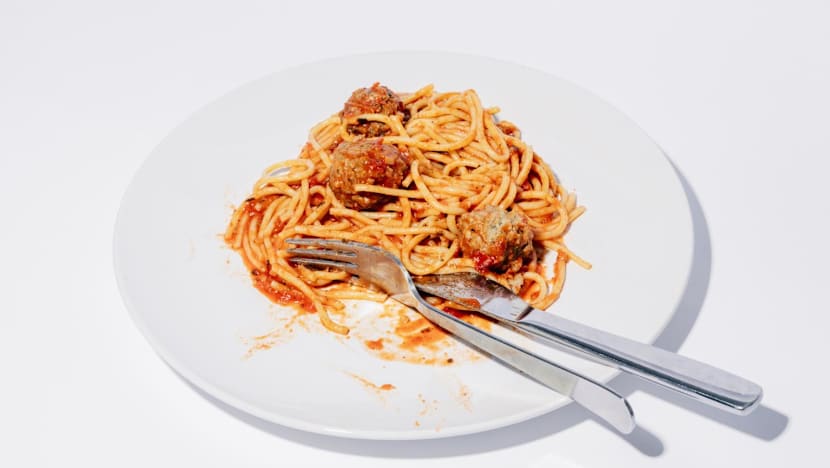
Why does appetite shrink with age? Experts explain the science
Translated from English, summarized and contextualized by DistantNews.
At a glance
News
Named sources
Context piece
- Appetite and calorie intake often decrease with age due to hormonal shifts, slower stomach emptying, and muscle loss.
- Diminished senses of taste and smell, as well as eating alone, can further reduce appetite in older adults.
- Regular exercise can help stimulate appetite, and focusing on nutrient-dense foods is recommended for older individuals.
As people age, their ability to eat large quantities of food diminishes, a common experience that experts attribute to a combination of physiological changes. Older adults typically consume 16 to 20 percent fewer calories than younger individuals, according to an analysis of nearly 60 studies.
It’s common for people to eat less as they age.
Several factors contribute to this reduced appetite. Hormonal shifts play a significant role; older adults may produce less ghrelin, a hunger-stimulating hormone, or their bodies may respond less effectively to it. Conversely, levels of leptin and cholecystokinin, which induce feelings of fullness, can increase. The stomach may also empty more slowly, delaying the return of hunger. Furthermore, age-related muscle loss means a lower overall calorie requirement.
Various factors, including a person’s age, can shape their appetite and how sated they feel after eating, so it’s challenging to know what might be affecting them.
Our senses of smell and taste also tend to decline with age, making food less appealing. A 2022 study found that over half of participants older than 50 experienced issues with taste sensitivity, and 70 percent had diminished smell. When food lacks flavor and aroma, the desire to eat lessens. Social factors also contribute; studies show people eat more when dining with others, as shared meals often involve longer eating times.
Hormonal shifts that occur with ageing can influence how much you want to eat.
For those seeking to regain their appetite, experts suggest regular exercise, which burns calories and can stimulate hunger. Focusing on nutrient-dense foods ensures that the reduced intake still provides essential nutrition. While the reasons for decreased appetite are complex, understanding these changes can help older adults manage their dietary needs.
If food doesn’t taste or smell good, you tend to want less of it.
DistantNews Editorial
Originally published by CNA in English. Translated, summarized, and contextualized by our editorial team with added local perspective. Read our editorial standards.
More Stories


From Our Blog

What Gets Lost (and Found) When News Is Translated

The Critical Role of Diaspora Media in Global News

What Travellers Should Know About Countries with Restricted Press

A Digital Nomad's Guide to Following Local News

How the Same Story Looks Different in Different Countries
