


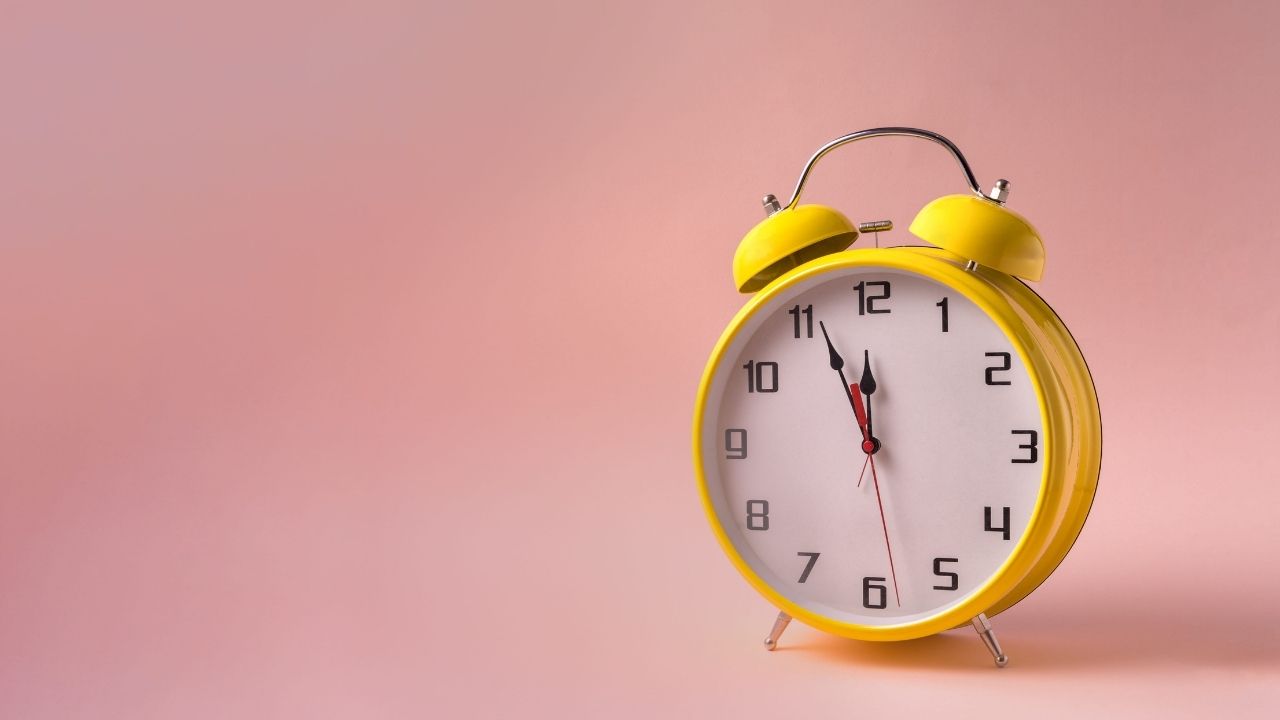
Why Does Time Seem to Speed Up as We Age?
Translated from Turkish, summarized and contextualized by DistantNews.
At a glance
News
Sources not specified
Context piece
- Time seems to speed up as people age due to a decrease in novel experiences and the brain entering an "autopilot" mode.
- When the brain encounters fewer new stimuli, it records less detailed memories, making time feel faster in retrospect.
- To slow down the perception of time, individuals can break routines by exploring new places, music, or hobbies to provide the brain with novel data.
As people age, the perception that time accelerates is a phenomenon known as "Dopaminergic Time Perception" in the scientific community. During childhood, the brain is constantly flooded with new information, unfamiliar objects, and discoveries. This intense influx of novel data requires significant cognitive effort, leading to the creation of highly detailed memories. Consequently, these periods feel lengthy when recalled.
However, adulthood often brings a sense of routine: the same home, workplace, routes, and faces. In this state, the brain shifts to "autopilot." With fewer new discoveries, the brain sees less need to meticulously record daily events. Time then feels like a rapidly advancing film reel. The more routine one's life becomes, the faster time appears to pass.
The key to slowing down time and making life feel longer lies in surprising the brain. Breaking routines can involve altering your commute, listening to unfamiliar music genres, exploring a new neighborhood on weekends, or starting a completely new hobby. The more novel data you feed your brain, the more your perception of time will return to those long, enjoyable days of childhood.
DistantNews Editorial
Originally published by Cumhuriyet in Turkish. Translated, summarized, and contextualized by our editorial team with added local perspective. Read our editorial standards.
More Stories



From Our Blog

What Gets Lost (and Found) When News Is Translated

The Critical Role of Diaspora Media in Global News

What Travellers Should Know About Countries with Restricted Press

A Digital Nomad's Guide to Following Local News

How the Same Story Looks Different in Different Countries
