


Why middle-class life feels increasingly out of reach
Summarized and contextualized by DistantNews.
At a glance
In-depth
Sources not specified
Context piece
- Despite a strong economy with low unemployment, many middle-income Americans feel financially insecure and question their future.
- Traditional markers of middle-class success, like education and homeownership, no longer guarantee stability.
- Economists suggest a disconnect exists between economic measurements and the lived experience of middle-class households, leading to widespread dissatisfaction.
Many middle-class Americans find themselves in a paradoxical situation: the economy appears robust on paper, yet their personal financial security feels increasingly out of reach. While unemployment hovers near historic lows and incomes have risen over decades, the expected stability and comfort associated with a middle-class life seem elusive for millions who have followed the conventional path of education, full-time work, and homeownership.
The distinction between being "middle-income" and "middle-class" is crucial. Middle-income refers to an economic bracket, whereas middle-class encompasses a broader set of expectations – the belief that consistent work should provide stability, comfort, and opportunities for the next generation. Economists note that households can achieve middle-income status without fulfilling these core middle-class aspirations.
There’s a belief that if you follow the rules, if you go to school and pay your taxes and pay your bills and send your kids to college and whatever, that you’re supposed to do better than the generation before you.
This disconnect fuels a central puzzle of the current economy. Americans' sentiment about the economy has hit a nearly 50-year low, largely because years of inflation have eroded wage gains. Essential expenses like housing, childcare, and healthcare consume larger portions of family budgets, even for dual-income households. Furthermore, the rapid rise of artificial intelligence introduces uncertainty about future employment, while soaring stock markets primarily benefit those with substantial investments.
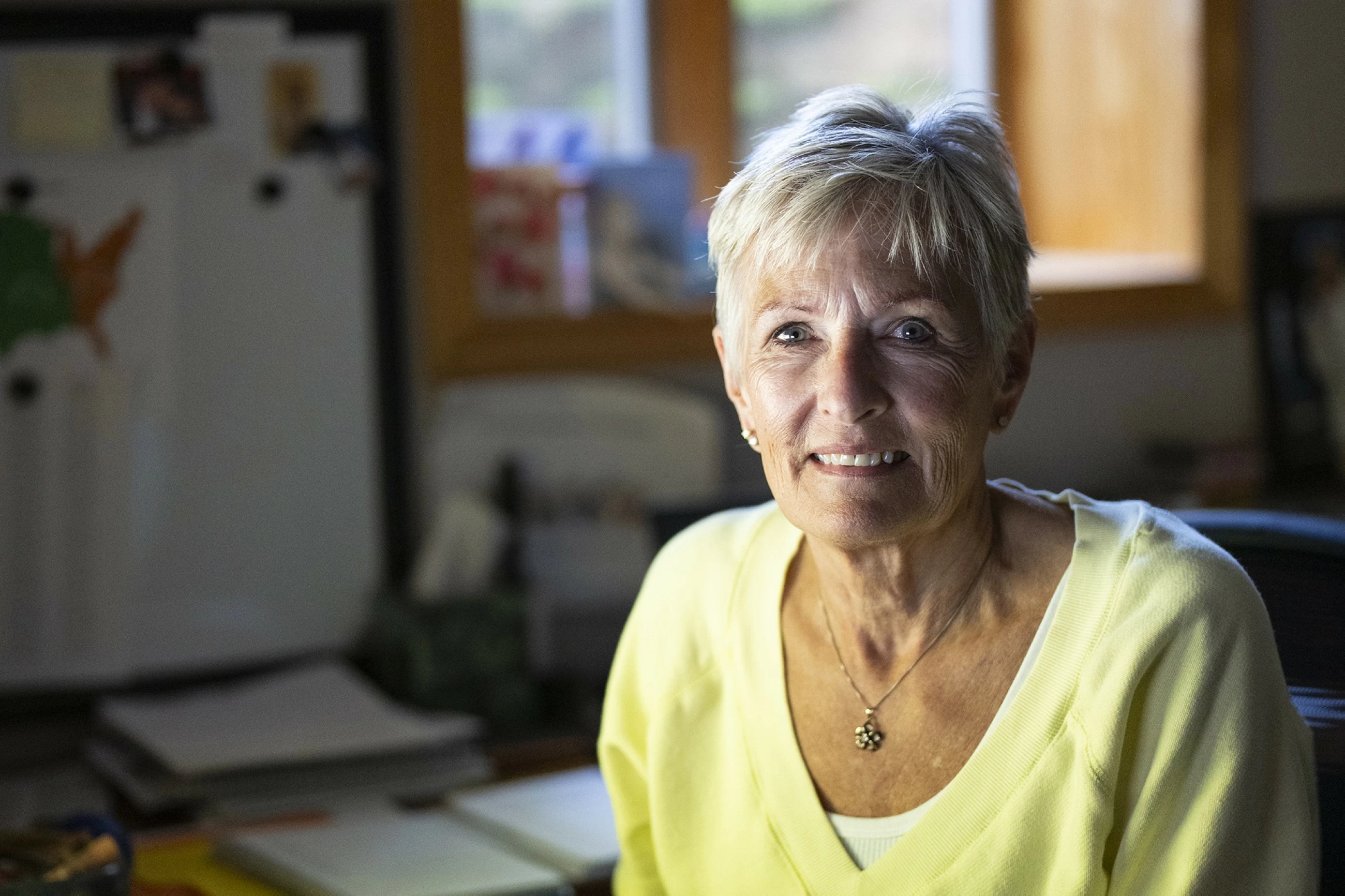
David Autor, an economics professor at MIT, highlights the erosion of a fundamental social contract: "There’s a belief that if you follow the rules... that you’re supposed to do better than the generation before you." When this expectation is unmet, people feel society is failing. Tasha Coats, a 66-year-old from Plymouth, Minnesota, exemplifies this sentiment. Despite achieving a stable middle-class life for her family, she finds maintaining it today more challenging than she ever anticipated, stating, "At the time it was a pinch. But to me, it didn’t feel as pinched then as it does today."
At the time it was a pinch. But to me, it didn’t feel as pinched then as it does today.
DistantNews Editorial
Originally published by Gulf Today. Summarized and contextualized by our editorial team with added local perspective. Read our editorial standards.
More Stories


From Our Blog

What Gets Lost (and Found) When News Is Translated

The Critical Role of Diaspora Media in Global News

What Travellers Should Know About Countries with Restricted Press

A Digital Nomad's Guide to Following Local News

How the Same Story Looks Different in Different Countries
