


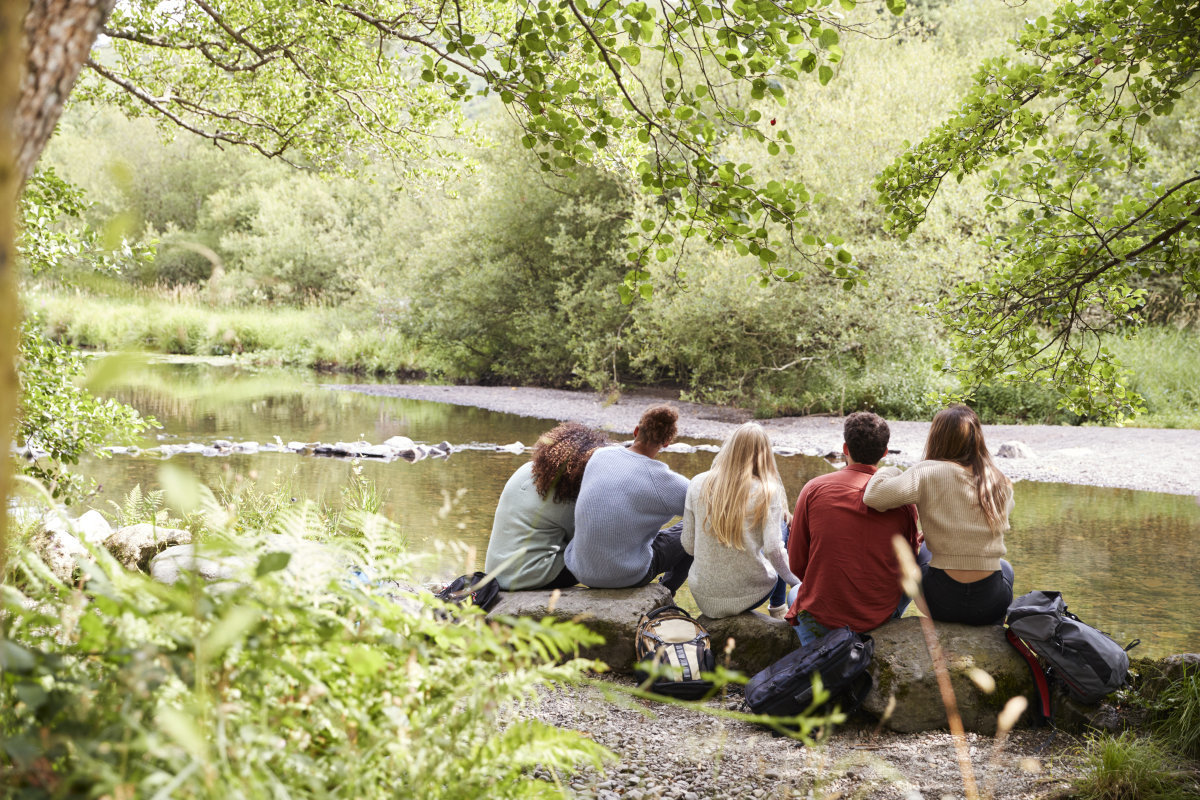
Why Nordic people have less stress: Family and nature hold the key
Translated from Korean, summarized and contextualized by DistantNews.
At a glance
In-depth
Sources not specified
Context piece
- Nordic countries consistently rank high in happiness and low in stress due to cultural emphasis on family, nature, and social connection.
- Practices like Denmark's 'hygge' and Finland's 'friluftsliv' promote well-being by fostering close relationships and outdoor activities.
- South Korea faces chronic stress from long working hours and intense competition, but can draw on its own resources like hiking and 'jeong' to manage stress.
Nordic nations consistently top global happiness rankings, offering a model for managing stress through a cultural emphasis on connection and nature. Countries like Finland, Denmark, and Iceland are frequently cited for their low stress levels and high well-being.
This success is attributed to unique cultural practices. Denmark's concept of 'hygge' prioritizes cozy, intimate time with family and friends. Finland embraces 'friluftsliv,' a philosophy of outdoor living that encourages spending time in nature regardless of weather. Scientific research supports the benefits of nature proximity, linking it to reduced stress and increased vitality.
These cultural elements are reinforced by robust social safety nets, including ample paid leave, universal healthcare and childcare, and shorter working hours. These systems provide a foundational security that allows citizens to prioritize well-being.
In contrast, South Korea faces significant stress from its demanding work culture, characterized by some of the longest working hours in the OECD and intense societal competition. However, the article suggests potential remedies rooted in Korean culture itself. Hiking and forest walks offer accessible nature therapy, while the practice of 'jjimjilbang' (Korean saunas) promotes relaxation. Furthermore, the concept of 'jeong', a deep sense of social connection, and shared meals and conversations with loved ones can foster the same social bonds that contribute to Nordic happiness.
The article concludes by urging readers to recognize the signs of chronic stress, such as poor sleep and increased irritability. It posits that while eliminating stress entirely is impossible, managing it through a shift in focus from competition to connection, and from speed to spaciousness, offers a practical path toward better health.
DistantNews Editorial
Originally published by Dong-A Ilbo in Korean. Translated, summarized, and contextualized by our editorial team with added local perspective. Read our editorial standards.
More Stories


From Our Blog

What Gets Lost (and Found) When News Is Translated

The Critical Role of Diaspora Media in Global News

What Travellers Should Know About Countries with Restricted Press

A Digital Nomad's Guide to Following Local News

How the Same Story Looks Different in Different Countries
