


Why parents keep so many childhood memories: A psychological perspective
Translated from Spanish, summarized and contextualized by DistantNews.
At a glance
In-depth
Named sources
Context piece
- Psychologists explain that parents keeping children's mementos goes beyond nostalgia, serving to preserve family history and emotional bonds.
- Objects associated with significant experiences and deep relationships hold more value than expensive items, acting as "emotional anchors."
- Preserving these memories can strengthen a sense of belonging, increase gratitude, and help cope with stress, while also reminding parents of their own growth as caregivers.
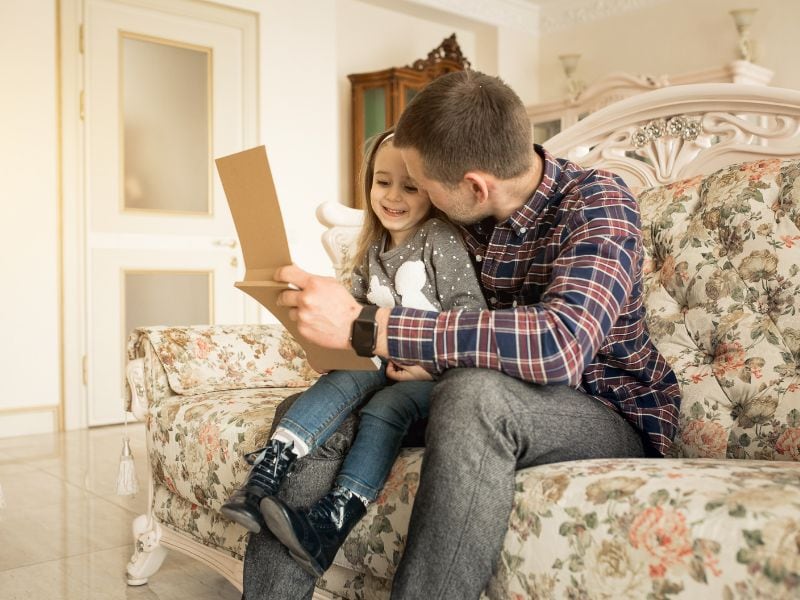
The act of parents meticulously saving their children's drawings, school reports, crafts, toys, and even tiny first shoes is more than just a sentimental habit, according to psychology. These seemingly simple objects are explained as vital tools for preserving family history, reinforcing identity, and maintaining deep emotional connections, even as children grow into adults.
the objects with greater value for people are not usually the most expensive, but those associated with significant experiences and deep affective relationships.
Research indicates that the most cherished items are not necessarily the most expensive, but those tied to meaningful experiences and profound relationships. Psychologists Mihaly Csikszentmihalyi and Eugene Rochberg-Halton's pioneering work in 1981 highlighted how people imbue objects connected to loved ones with special value. These items, like photographs, toys, letters, or schoolwork, function as "emotional anchors," safeguarding personal and family history.
Human memory reconstructs experiences rather than storing them perfectly. An object can act as a powerful trigger, bringing back forgotten scents, voices, emotions, or scenes. While nostalgia was once viewed negatively, psychologists now recognize that revisiting positive memories strengthens belonging, fosters gratitude, and aids in navigating stress and uncertainty. This process allows individuals to appreciate their personal growth.
photographs, toys, letters or school work function as 'emotional anchors,' as they allow to preserve a part of personal and family history.
Dorsa Amir, a researcher at the University of California, Berkeley, specializing in autobiographical memory, notes that people tend to keep objects when experiences feel too significant to rely solely on memory. For parents, these mementos often represent a period of profound family growth. A child's drawing, a school letter, or a first toy not only evokes the child's younger self but also reminds parents of who they were as mothers or fathers during that specific life stage.
people tend to keep objects when they feel that certain experiences are too important to depend solely on memory.
DistantNews Editorial
Originally published by La Nación in Spanish. Translated, summarized, and contextualized by our editorial team with added local perspective. Read our editorial standards.
More Stories

From Our Blog

What Gets Lost (and Found) When News Is Translated

The Critical Role of Diaspora Media in Global News

What Travellers Should Know About Countries with Restricted Press

A Digital Nomad's Guide to Following Local News

How the Same Story Looks Different in Different Countries
