



Why PSG Won the Champions League and Arsenal Lost
Translated from Turkish and summarized by DistantNews. Read the original for the full story.
At a glance
Analysis
Sources not specified
Context piece
- The Champions League final showcased contrasting football philosophies and management models between Paris Saint-Germain and Arsenal.
- PSG's victory, achieved through pragmatism and control, reflected their recent structural transformation.
- Arsenal's loss highlighted the fragility of a rigid, inflexible tactical approach on a major stage.
The Champions League final was more than just a match; it was a clash of footballing minds, management styles, and economic organizations, ultimately resulting in Paris Saint-Germain's victory over Arsenal. PSG's triumph, secured via penalties, was not merely a single game's outcome but a testament to their recent structural evolution.
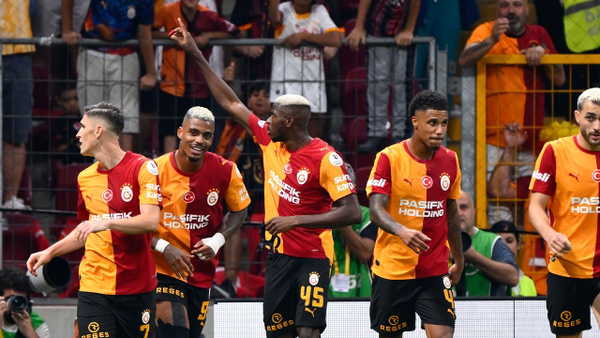
In contrast, Arsenal's defeat echoed their 2000 UEFA Cup final loss to Galatasaray on penalties. This latest loss offers a stark lesson to the football world: a model constrained by tactical inflexibility and an over-reliance on a single game plan can falter on Europe's grandest stage. Rigid adherence to system dogmas proved to be the London club's greatest weakness under high-stakes championship pressure, a vulnerability also evident in their 2000 final loss.
Analyzing the final reveals a significant imbalance despite the seemingly close 1-1 scoreline. Statistical, tactical, and economic disparities suggest a one-sided game that didn't reflect on the scoreboard. PSG dominated not just their opponent but also the game's rhythm, space, and potential outcomes. Arsenal, while showing flashes of presence, largely remained reactive throughout the match.
PSG's approach prioritized pragmatic control over strict adherence to a specific playing style. Possession was a means to an end, not the objective itself. The game was structured around a compact, centrally focused formation, with transitions executed swiftly and directly. This strategy was a deliberate choice to dismantle Arsenal's patient, positional build-up play. PSG meticulously planned their midfield geometry, dividing the pitch into three modern corridors and dominating the inner channels with triangular and diamond formations. This proactive control of ball and space not only managed passing traffic but also thwarted Arsenal's attempts to control the center.
About this summary
Originally published by Cumhuriyet in Turkish. Translated, summarized, and contextualized automatically by DistantNews, with a note on how the source frames the story. Not individually reviewed before publishing. How this works.
More Stories

From Our Blog

News in Translation: What Gets Lost, and How We Keep the Framing

Diaspora Media: How Communities Abroad Follow Home

Traveling Where the Press Is Not Free: How to Read the News There

The Digital Nomad's Guide to Local News

The Same Story, Different Countries: How Coverage Changes at the Border
