

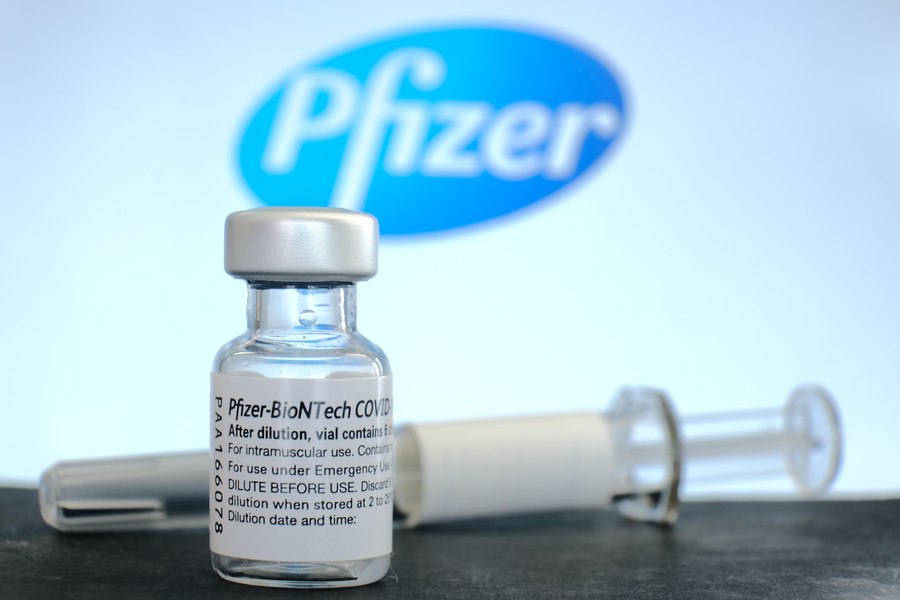
Why Romania needs lobbyists and external experts in negotiations with Pfizer: 'It's a textbook economic disaster'
Translated from Romanian, summarized and contextualized by DistantNews.
At a glance
News
Named sources
Context piece
- Romania faces a tight deadline to pay a 680 million euro debt to BioNTech-Pfizer, with daily interest of 81,000 euros.
- The government is negotiating payment deferral and converting the debt into medicine deliveries.
- An analyst warns Romania needs specialized negotiators, comparing the situation to the costly Bechtel infrastructure deal.
Romania is in a precarious financial position, facing a two-month deadline to settle a 680 million euro debt to pharmaceutical giant BioNTech-Pfizer. The outstanding sum accrues a substantial daily interest of 81,000 euros, amounting to approximately 2.5 million euros per month. Romanian officials are pursuing a two-pronged approach to mitigate the budgetary impact: seeking to defer payments and proposing to convert the debt into future medicine deliveries. However, the effectiveness of these negotiations is questioned by analyst Adrian Negrescu. He argues that the Romanian state has mishandled the approach and that specialized negotiators are essential for a realistic solution. Negrescu likens the gravity of the current situation to the "Bechtel Affair," a controversial infrastructure contract that resulted in significant financial losses for Romania due to penalties and abandoned work. He stresses that simply paying the debt without seeking concessions would be a "disaster worthy of the history books." Negrescu points out that Pfizer did not deliver the vaccines for which the money is owed, creating a negotiation margin. He suggests that Romania could leverage this by using the funds to purchase a variety of medical treatments from Pfizer, particularly rare cancer drugs and treatments for extremely rare diseases, thereby benefiting the public health system. The analyst also highlights the potential for political instability to hinder discussions, emphasizing the need for the new government to prioritize these crucial negotiations.
The worst-case scenario is to do nothing. The worst-case scenario is that the new government, which will eventually come to power, will be concerned with other things than this extremely important negotiation for the Romanian state, given that this compensation represents 0.2 percent per day in interest, 2.5 million euros that we have to pay each month.
DistantNews Editorial
Originally published by Adevărul in Romanian. Translated, summarized, and contextualized by our editorial team with added local perspective. Read our editorial standards.
More Stories


From Our Blog

What Gets Lost (and Found) When News Is Translated

The Critical Role of Diaspora Media in Global News

What Travellers Should Know About Countries with Restricted Press

A Digital Nomad's Guide to Following Local News

How the Same Story Looks Different in Different Countries
