


Why Uganda’s Ebola fight will be won in communities
Summarized and contextualized by DistantNews.
At a glance
News
Sources not specified
Ongoing story
- Uganda's Ebola response relies heavily on community-based interventions rather than solely on border controls.
- The Bundibugyo strain of Ebola lacks an approved vaccine, making prevention, early detection, and community cooperation crucial.
- Trusted local volunteers and leaders play a vital role in dispelling myths, encouraging early symptom reporting, and building trust to combat fear and misinformation.
While Uganda has implemented border restrictions and screening measures in response to the resurgence of the Bundibugyo Ebola strain, the country's experience shows that containing outbreaks hinges on community engagement. Health authorities recognize that border controls are important for slowing transmission and gaining time, but the real battle is fought at the grassroots level.
They are defeated in villages where trusted volunteers walk door-to-door dispelling myths.
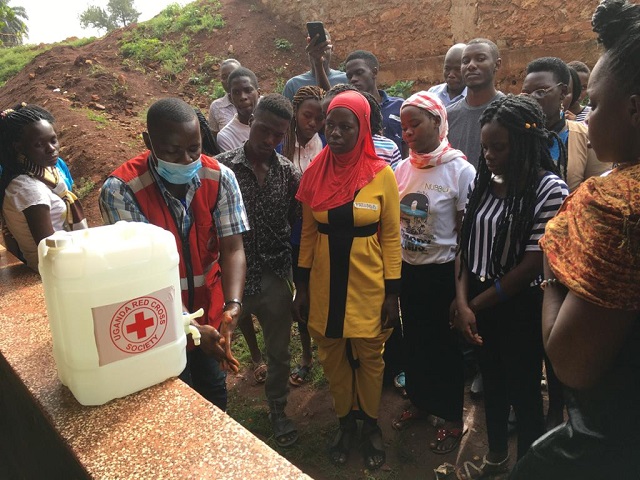
Outbreaks are ultimately defeated in villages, where volunteers go door-to-door to debunk myths, and in community centers where leaders persuade families to report symptoms promptly. The effectiveness of Uganda's Ebola response now depends on these community-based interventions, especially since the Bundibugyo strain lacks a readily available vaccine. This makes prevention, early detection, and public cooperation paramount.
Past Ebola outbreaks in the region have highlighted how fear and misinformation can spread rapidly, often outpacing the virus itself. Communities may hide sick relatives, avoid health workers, or resist contact tracing due to fear, inadvertently creating opportunities for the disease to spread. Building trust between communities and health workers is therefore as critical as robust hospital and laboratory infrastructure.
They are defeated in crowded trading centres where local leaders convince families to report symptoms early.
Organizations like the Uganda Red Cross Society, Village Health Teams, and other humanitarian partners have been instrumental. Their volunteers, drawing strength from their local connections, act as neighbors speaking to neighbors. They address concerns, alleviate fears, and educate families on protective measures, demonstrating that community-rooted efforts are key to overcoming the challenges posed by Ebola.
This means that prevention, early detection, community surveillance and public cooperation become even more critical.
DistantNews Editorial
Originally published by The Independent Uganda. Summarized and contextualized by our editorial team with added local perspective. Read our editorial standards.
More Stories


From Our Blog

What Gets Lost (and Found) When News Is Translated

The Critical Role of Diaspora Media in Global News

What Travellers Should Know About Countries with Restricted Press

A Digital Nomad's Guide to Following Local News

How the Same Story Looks Different in Different Countries
