



Why US-South Korea Drills Are Shrinking While US-South Korea-Japan Exercises Continue
Translated from Korean and summarized by DistantNews. Read the original for the full story.
At a glance
Analysis
Named sources
Ongoing story
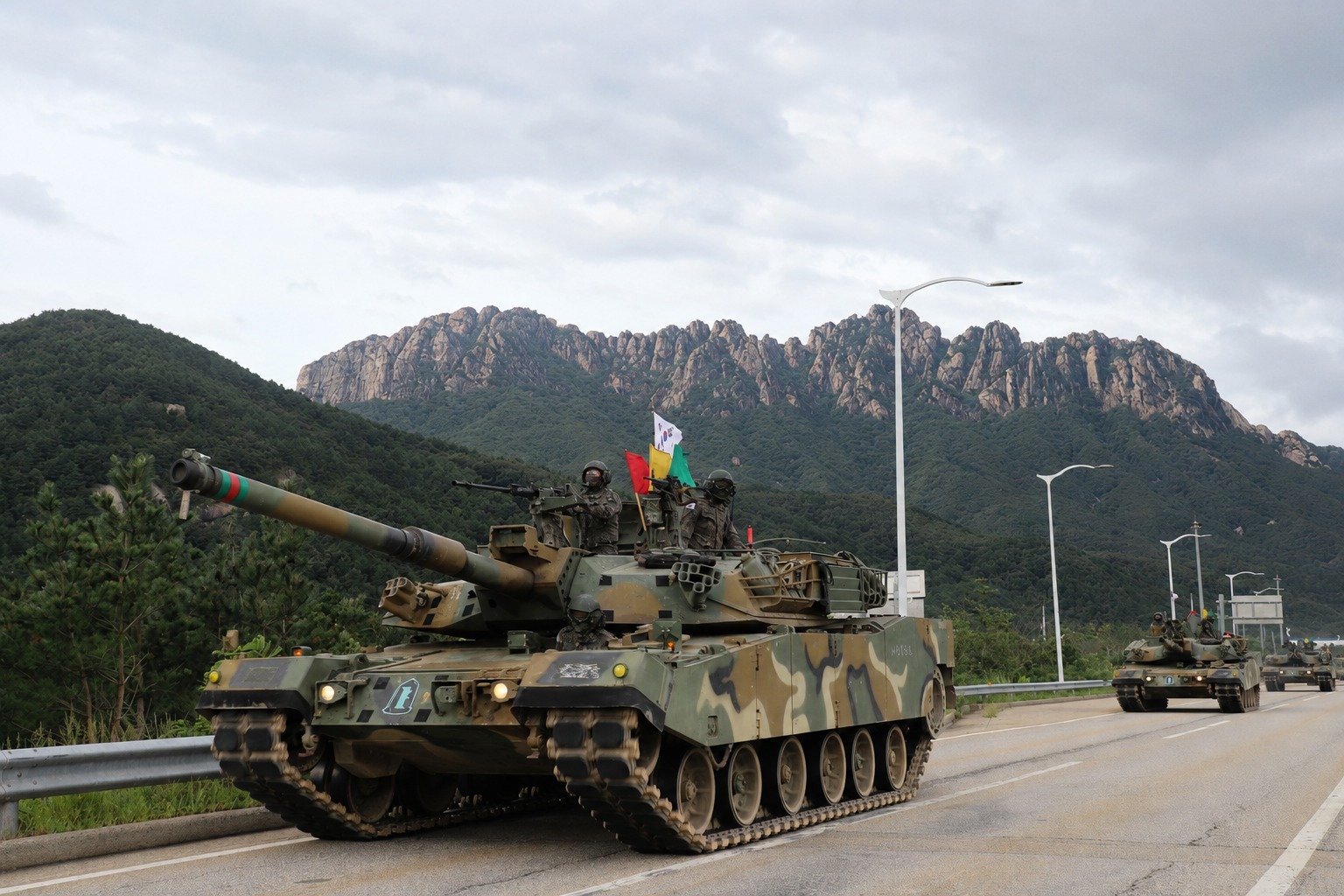
- The Trump administration has reduced the Ulchi Freedom Shield exercise with South Korea while keeping the Freedom Edge exercise with South Korea and Japan scheduled for July 7-11.
- Freedom Edge incorporates land, sea, air, space, cyber and electromagnetic operations, reflecting the US military’s multidomain operations concept focused largely on countering China and Russia.
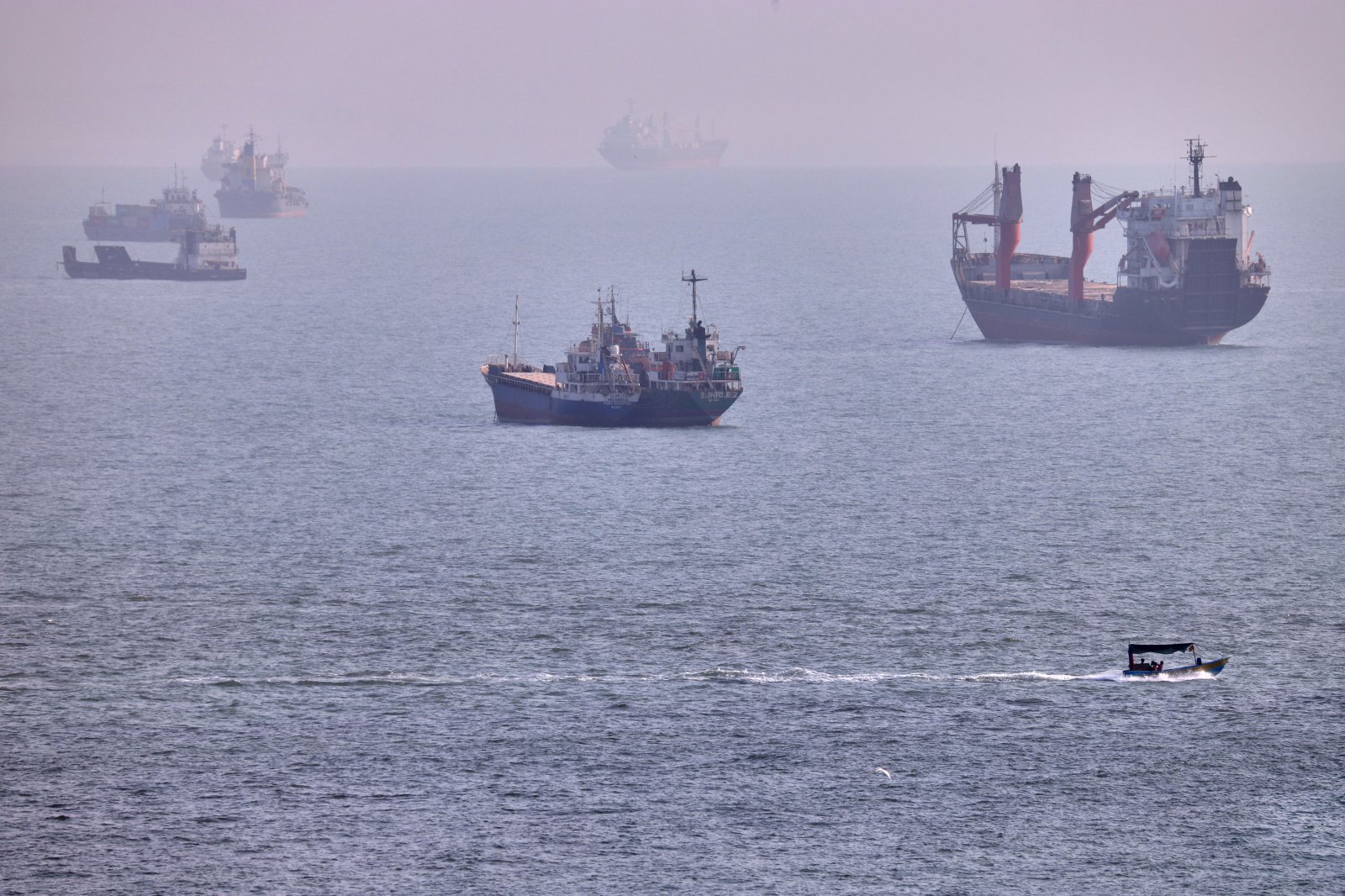
- The exercise has repeatedly taken place near Jeju, an area the article describes as a route for Chinese naval forces entering the Pacific, prompting concern that regional defense cooperation could expand beyond North Korea.
Washington is scaling back its main US-South Korea exercise as it seeks dialogue with North Korea, but it is leaving the three-country Freedom Edge exercise with Japan largely untouched. The reason, according to this analysis, is that the two drills serve different strategic purposes.
Ulchi Freedom Shield is centered on the US-South Korea alliance. Freedom Edge, by contrast, is a multidomain exercise involving South Korea, the United States and Japan. It brings together operations across land, sea and air, along with space, cyberspace and the electromagnetic spectrum. North Korea has condemned the exercise, saying it is meaningless to expect lower tensions while the United States’ hostile policy toward Pyongyang is taking a more dangerous form.
The multidomain concept was developed by the US Army in response to China’s rise and the threat from Russia. Although the US framework identifies Russia and China alongside Iran, North Korea and extremist groups, its focus is primarily on the first two. A central objective is to overcome China’s anti-access, area-denial strategy, which seeks to keep US aircraft carriers away from Chinese waters or force them to withdraw through sustained attrition.
Expecting any easing of tensions is meaningless in this grave situation, where the United States’ permanent hostile policy toward North Korea is evolving into a more dangerous form.
China’s defensive zones are described through the first and second island chains. The first runs from Japan’s Kyushu and Okinawa through Taiwan to the Philippines. The second extends from Japan’s Ogasawara Islands through Saipan and Guam to Indonesia. China uses missiles, submarines, warships, aircraft and air defenses across these zones, while the US concept seeks to counter them through coordinated action in multiple domains.
The Freedom Edge exercises have all been held, or are planned to be held, in waters near Jeju. The first took place south of Jeju in June 2024, followed by exercises in November 2024 and September last year. Activities have included maritime missile defense, air and air-defense drills, anti-piracy operations, anti-submarine warfare and cyber defense. South Korea emphasizes the North Korean nuclear and missile threat, but the repeated exercises have fueled concern that the alliance structure could shift from defending the Korean Peninsula toward a wider regional deterrence system aimed at China.
There will be no slightest change in our policy toward the United States of responding with the toughest measures.
About this summary
Originally published by Hankyoreh in Korean. Translated, summarized, and contextualized automatically by DistantNews, with a note on how the source frames the story. Not individually reviewed before publishing. How this works.
More Stories
From Our Blog

News in Translation: What Gets Lost, and How We Keep the Framing

Diaspora Media: How Communities Abroad Follow Home

Traveling Where the Press Is Not Free: How to Read the News There

The Digital Nomad's Guide to Local News

The Same Story, Different Countries: How Coverage Changes at the Border
