


Why Your New Perfume Smells Different From The Store Tester
Translated from English, summarized and contextualized by DistantNews.
At a glance
In-depth
Named sources
Context piece
- Perfume can smell different from the tester due to factors like air exposure, temperature, and skin chemistry.
- Perfumes are described as 'alive,' evolving with environmental and personal interactions.
- Key reasons for scent variation include incorrect testing methods, tester aging through oxidation, and climate influences.
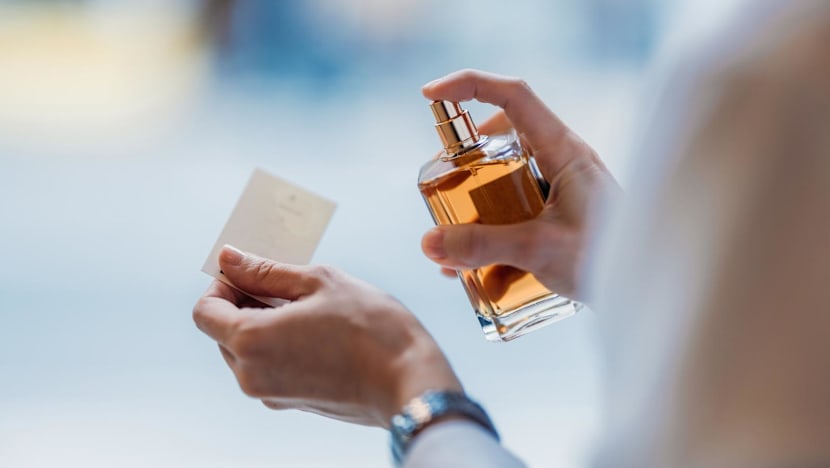
The perfume you bought might not smell exactly like the tester you fell in love with, and you're likely not imagining it. Experts explain that fragrances are dynamic, not static formulas. They evolve and interact with air, temperature, skin chemistry, and even the wearer, leading to subtle differences between the initial impression and the final scent.
In my years of building scents, I have learnt that a perfume is alive, not a fixed formula. The same juice settles, breathes and reacts differently from counter to skin, so the bottle you carry home can tell a slightly different story from the one you fell for.
Jason Lee, founder of Scent by Six, likens perfumes to living entities. "The same juice settles, breathes and reacts differently from counter to skin, so the bottle you carry home can tell a slightly different story from the one you fell for," he stated. This means the scent can change based on how it's applied and the individual's unique skin composition.
Testing six scents at one go, rubbing your wrists together after spraying them on and deciding in 10 seconds is the surest way to be misled. Instead, limit yourself to just one or two, spray it on, walk away, and judge them after 30 minutes. A fragrance unfolds in chapters, and it deserves the patience you would give a good story.
Several factors contribute to this variation. Firstly, how you test the scent matters. Relying solely on paper blotters or making quick judgments can be misleading, as perfumes interact differently with skin. It's recommended to spray on pulse points, allow the fragrance to settle for at least 30 minutes, and ideally wear it for several hours to experience its full development. Secondly, testers on display can age over time. Repeated spraying introduces air, leading to oxidation that can subtly alter the scent profile, sometimes softening top notes or bringing base notes to the forefront. Lastly, environmental conditions like heat and humidity can affect how fragrance molecules evaporate and project.
A tester is sprayed hundreds of times over many months, and air enters the bottle with every press of the spray button. It is true that slow oxidation can brighten or flatten the scent. So the tester you loved may already differ from a freshly sealed bottle.
DistantNews Editorial
Originally published by CNA in English. Translated, summarized, and contextualized by our editorial team with added local perspective. Read our editorial standards.
More Stories



From Our Blog

What Gets Lost (and Found) When News Is Translated

The Critical Role of Diaspora Media in Global News

What Travellers Should Know About Countries with Restricted Press

A Digital Nomad's Guide to Following Local News

How the Same Story Looks Different in Different Countries
