


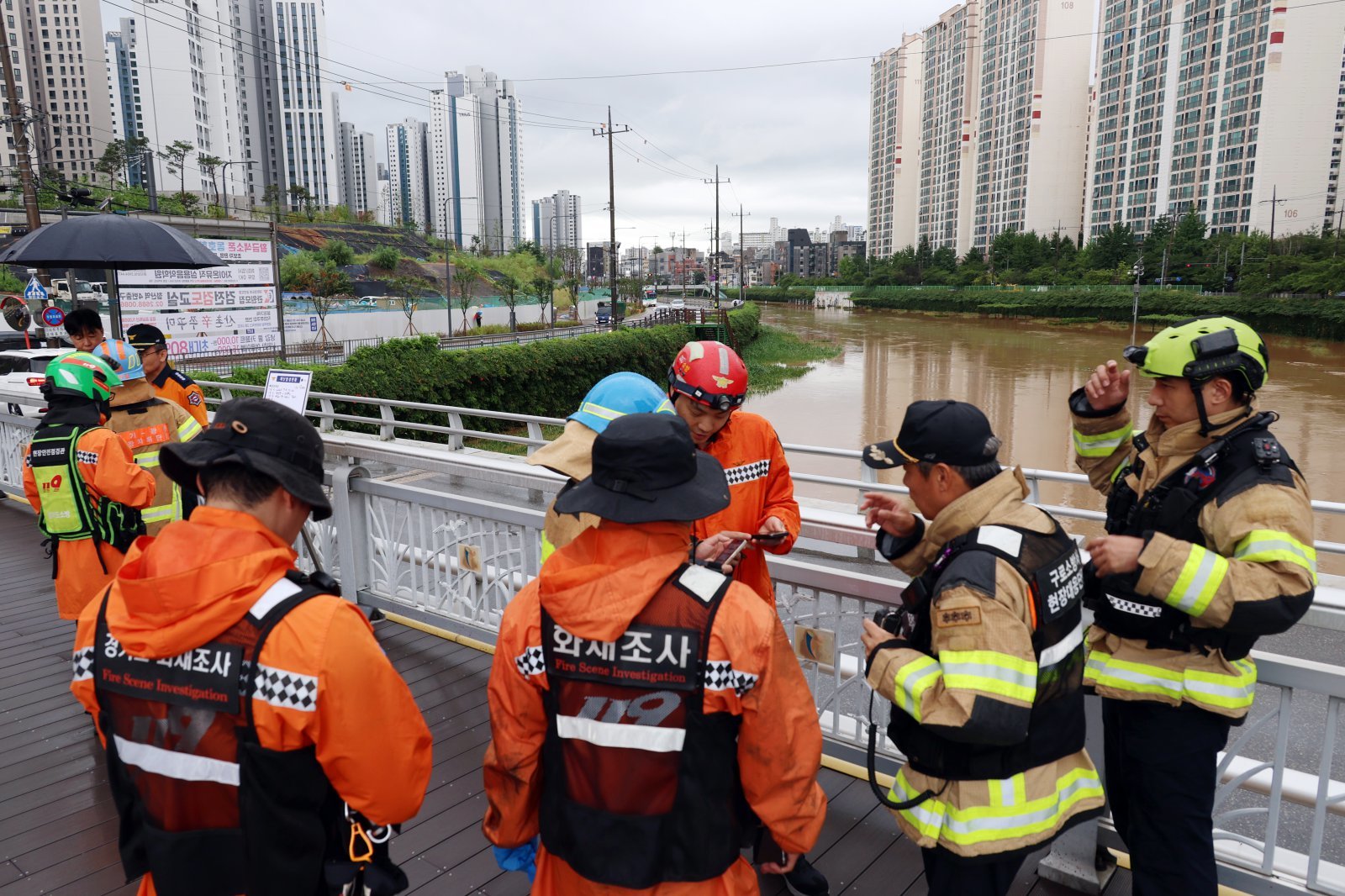
Widespread flood damage across South Korea as authorities activate emergency systems
Translated from Korean, summarized and contextualized by DistantNews.
At a glance
News
Sources not specified
Ongoing story
- Heavy rainfall across South Korea has caused widespread flooding and road closures, particularly in the Seoul metropolitan area and Chungcheong region.
- While no major casualties have been reported, authorities have activated emergency response systems due to the continuous heavy downpours.
- Residents are urged to exercise caution, avoid low-lying areas, and stay updated on weather information as more rain is forecast.
Torrential rains have swept across South Korea, triggering widespread flooding and disrupting transportation networks. The Seoul metropolitan area, Chungcheong, and Yeongnam regions have reported significant damage, including submerged homes and impassable roads.
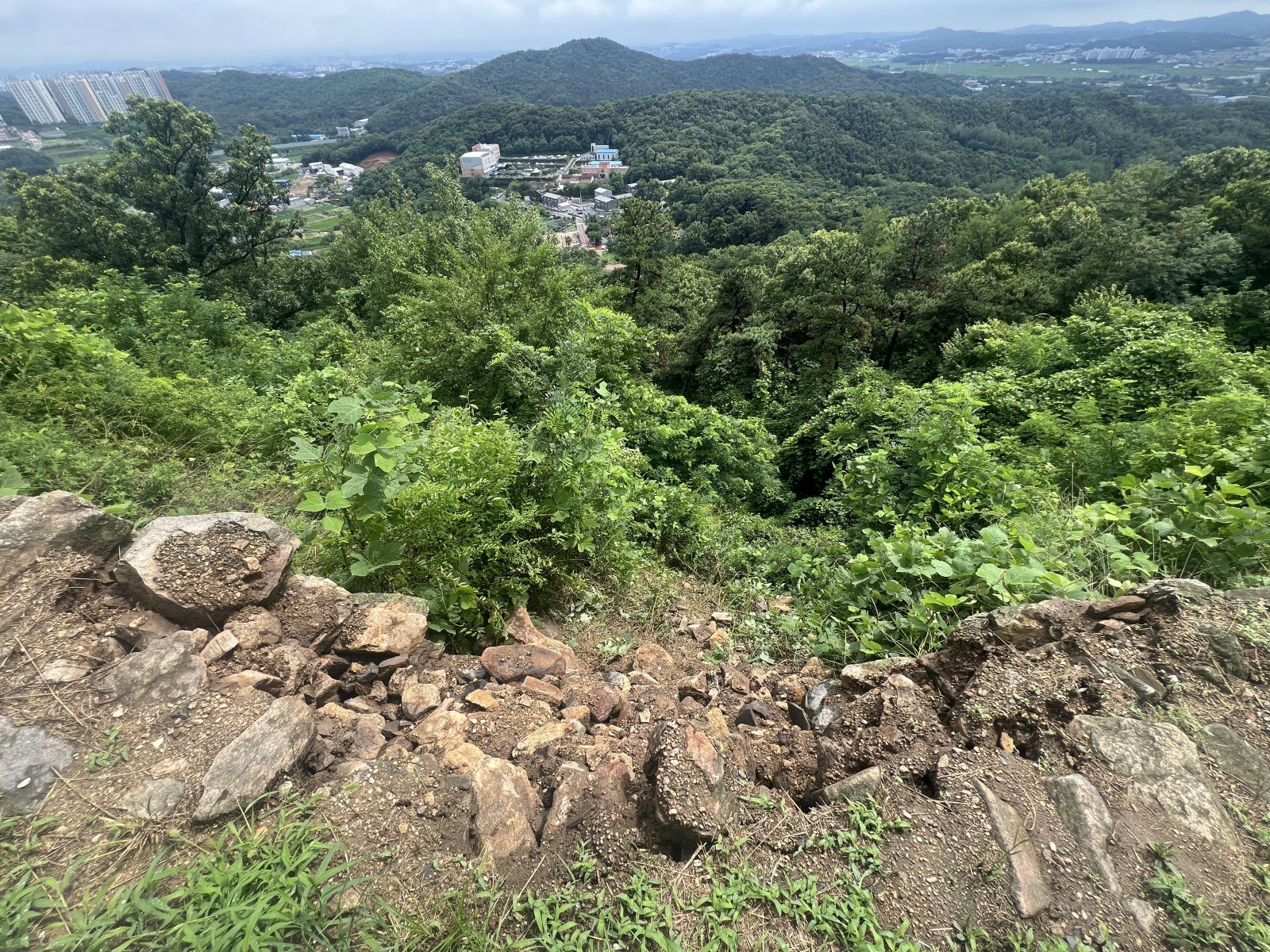
Authorities have initiated emergency response protocols as continuous heavy rainfall is forecast. In Gyeonggi Province, near the Imjin River in Yeoncheon, water levels rose significantly, prompting evacuation advisories. A landslide in Gapyeong caused soil erosion, necessitating road repairs. In Paju, firefighters rescued a woman who was camping near a river and became stranded by rising waters.
Emergency services in Gyeonggi Province responded to 92 incidents between Saturday evening and Sunday morning, including 28 cases of residential flooding and 60 reports of road obstructions. In Incheon, 54 safety measures were implemented for flooded roads, overflowing manholes, and debris removal, with no reported injuries.
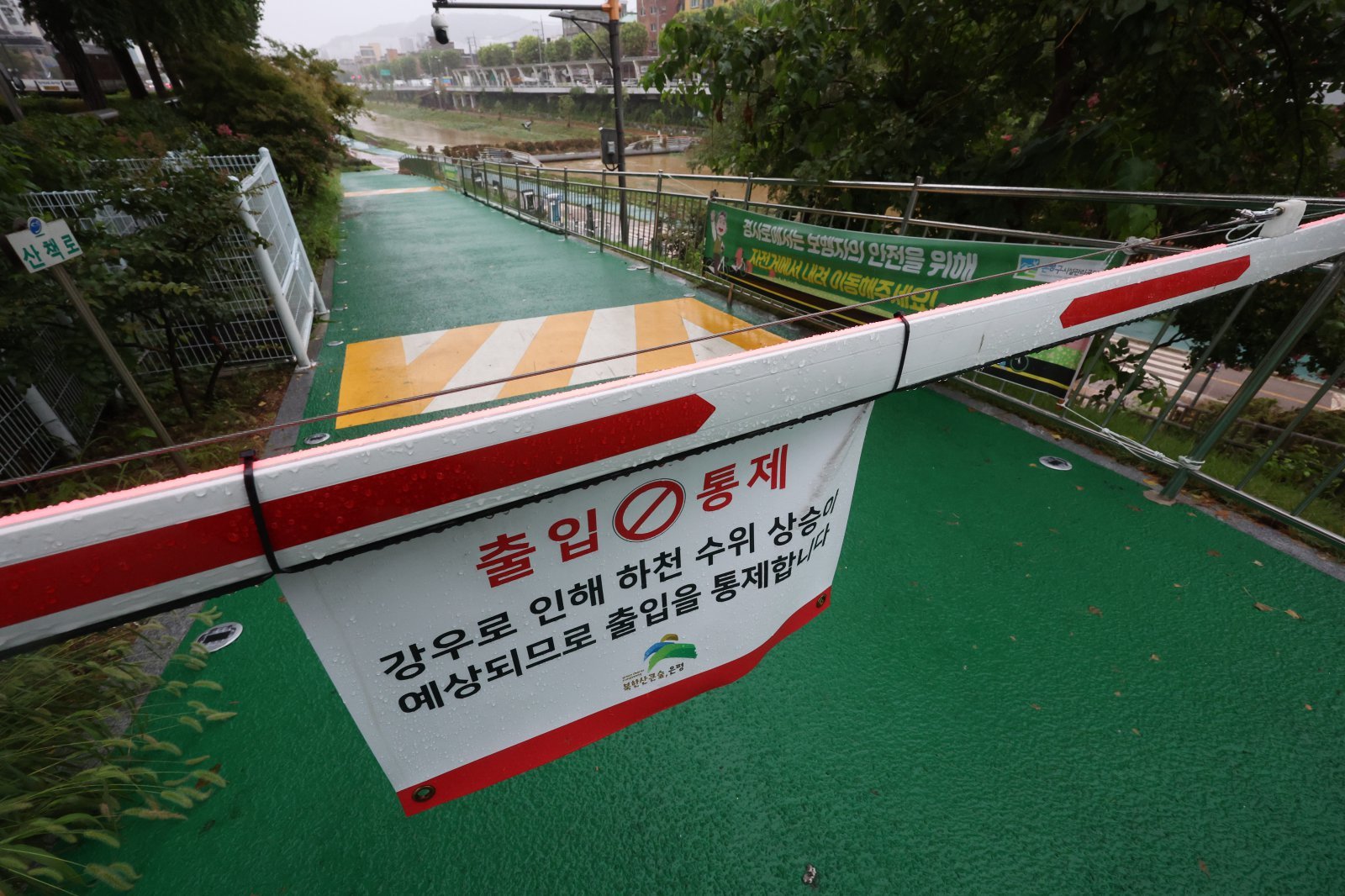
In the Chungcheong region, Sejong City closed access to eight rivers and three riverside roads due to heavy rain warnings. In Chungnam, nine cities and counties are under heavy rain advisories, with expectations of over 200 millimeters of additional rainfall. No major casualties have been reported in the area.
Meanwhile, a traffic accident occurred in Gangwon Province when a bus and a car collided on a rain-slicked road in Gangneung, resulting in six injuries among the bus passengers. Authorities are investigating the cause. In Daegu and Gyeongbuk, over 100 millimeters of rain caused flooding in homes and businesses, along with isolated vehicles. Emergency services are focused on drainage and preventative measures.
The Korea Meteorological Administration warned of intense rainfall, with some areas experiencing 30-50 millimeters per hour. They advised residents to avoid riverbanks, underpasses, and low-lying areas, and to stay informed about real-time weather updates.
DistantNews Editorial
Originally published by Dong-A Ilbo in Korean. Translated, summarized, and contextualized by our editorial team with added local perspective. Read our editorial standards.
More Stories

From Our Blog

What Gets Lost (and Found) When News Is Translated

The Critical Role of Diaspora Media in Global News

What Travellers Should Know About Countries with Restricted Press

A Digital Nomad's Guide to Following Local News

How the Same Story Looks Different in Different Countries
