

Wildfire smoke persists in Toronto, conditions may improve Friday: Environment Canada
Summarized and contextualized by DistantNews.
At a glance
News
From a news agency
Ongoing story
- Wildfire smoke continues to affect air quality in Toronto and southern Ontario, with conditions potentially improving by Friday morning.
- Environment Canada has issued an orange air quality warning due to the smoke, which has caused skies to turn orange.
- The smoke has led to the cancellation of outdoor events and prompted health advisories, urging residents to limit outdoor activity.
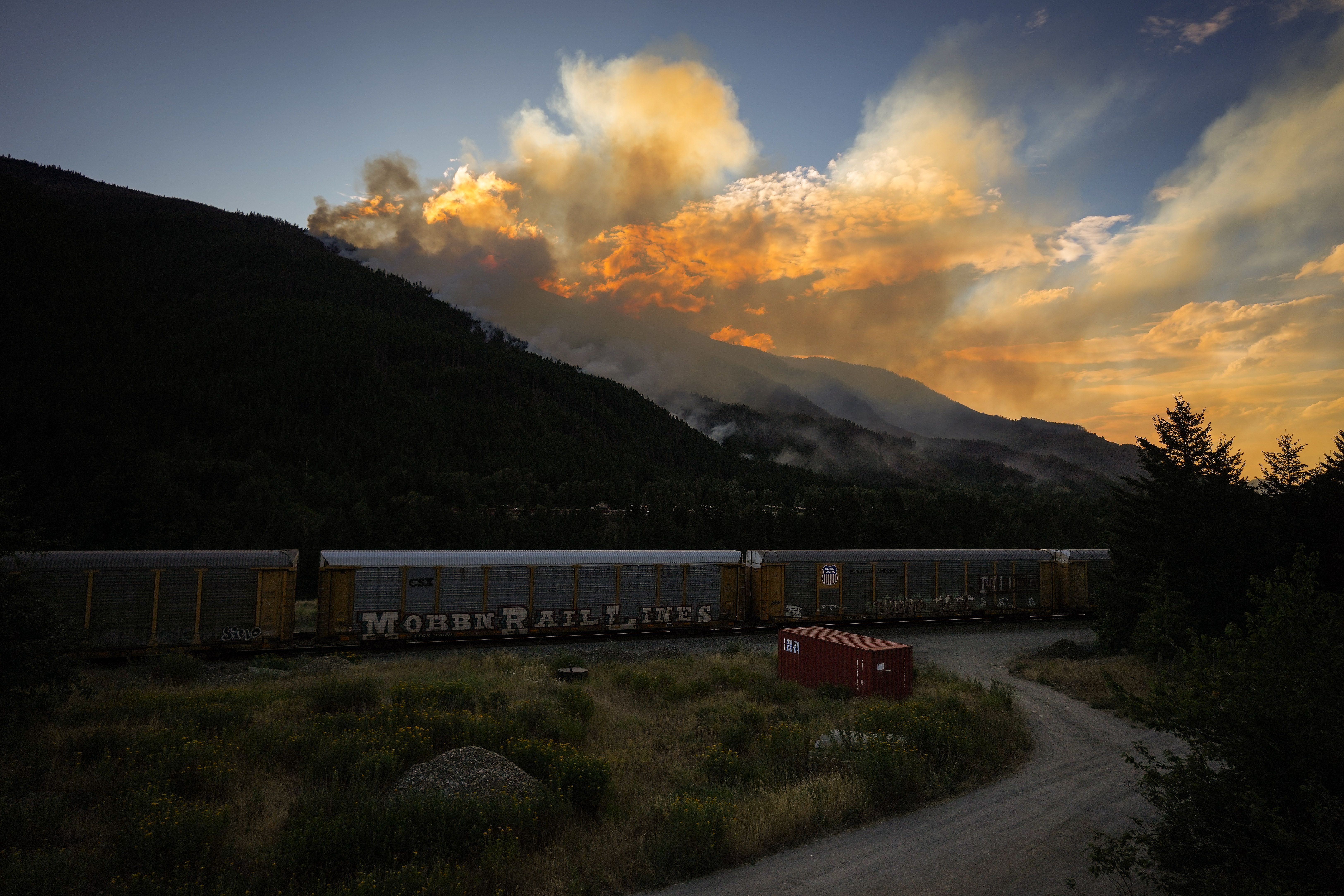
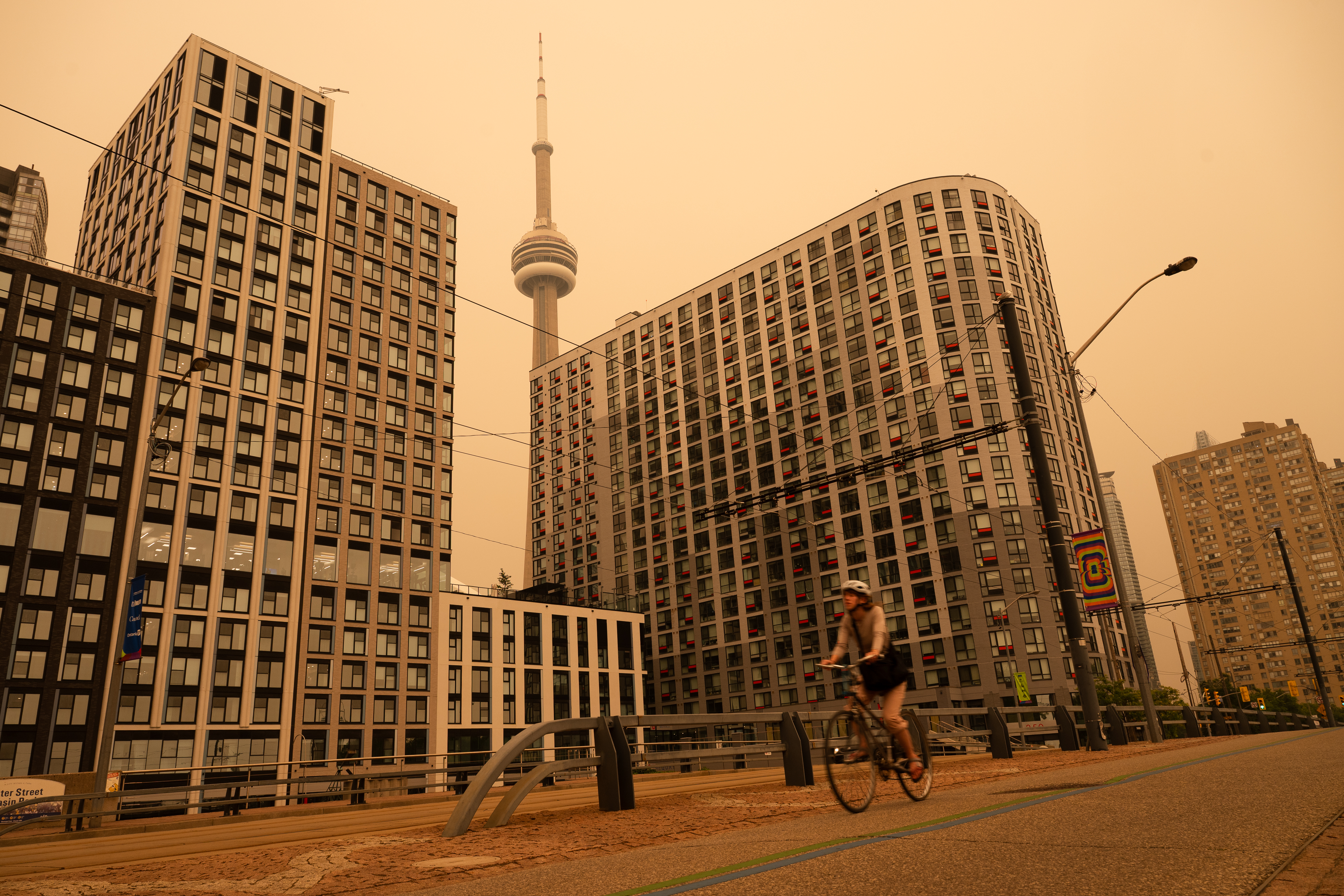
Wildfire smoke from northwestern Ontario continues to blanket large areas of southern Ontario, including Toronto, significantly impacting air quality. Environment Canada maintains an orange air quality warning, indicating unhealthy conditions, with hopes for improvement by Friday morning.
The smoke has dramatically altered the cityscape, turning the sky orange and leading to Toronto's air quality being ranked among the worst globally at times. This hazardous air has forced the cancellation of several outdoor events, including a FIFA Fan Festival watch party and the Rock the Park music festival in London, Ontario.
You may experience mild and common symptoms such as eye, nose and throat irritation, headaches or a mild cough. More serious but less common symptoms include wheezing, chest pains or severe cough. If you think you are having a medical emergency, seek immediate medical assistance.
As of Tuesday, Ontario forest fire officials reported 148 active fires in the northwest region, with 69 burning out of control. These fires have necessitated evacuation orders for multiple communities, and some blazes have already caused damage to homes and buildings in the Namaygoosisagagun First Nation.
Premier Doug Ford assured that crews are working diligently to combat the fires and that the province will spare no expense in ensuring public safety. Environment Canada advises residents to limit their time outdoors and stay cool indoors. They also issued health advisories, warning of potential mild symptoms like eye and throat irritation, headaches, or coughs, and advising immediate medical attention for more severe symptoms such as wheezing or chest pains. Specific groups, including the elderly, infants, young children, pregnant individuals, and those with pre-existing health conditions, are particularly vulnerable and should avoid strenuous outdoor activities.
People more likely to be impacted by wildfire smoke, including people aged 65 and older, pregnant people, infants and young children, people with an existing illness or chronic health condition, and people who work outdoors, should avoid strenuous activities outdoors and seek medical attention if experiencing symptoms.
DistantNews Editorial
Originally published by Global News. Summarized and contextualized by our editorial team with added local perspective. Read our editorial standards.
More Stories
From Our Blog

What Gets Lost (and Found) When News Is Translated

The Critical Role of Diaspora Media in Global News

What Travellers Should Know About Countries with Restricted Press

A Digital Nomad's Guide to Following Local News

How the Same Story Looks Different in Different Countries
