

Will constitutional reform follow? Pakistan PPP leader seeks representation for Kashmir regions
Translated from English, summarized and contextualized by DistantNews.
At a glance
News
Sources not specified
Context piece
- Bilawal Bhutto-Zardari advocates for direct representation for Azad Kashmir and Gilgit-Baltistan in Pakistan's federal parliament.
- He proposes provisional provincial status for Gilgit-Baltistan, maintaining Pakistan's stance on the Kashmir dispute.
- Historically, GB was under direct Islamabad administration, while AJK developed its own political structure, leading to grievances in GB over lack of representation.
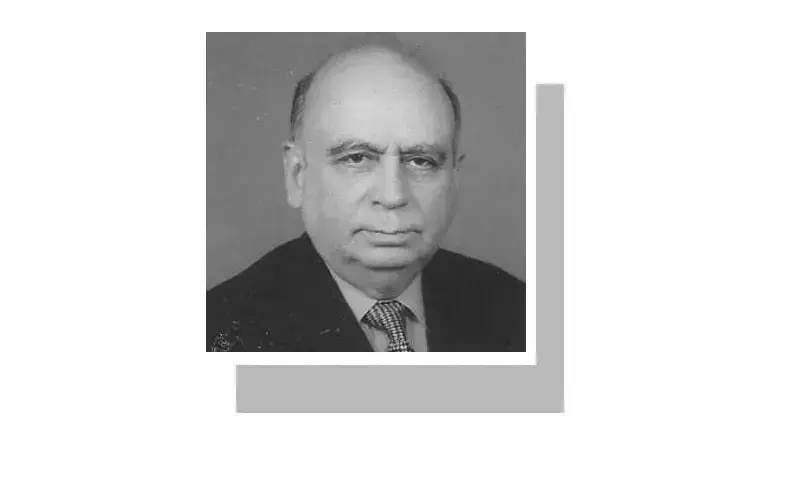
Bilawal Bhutto-Zardari, chairperson of the Pakistan Peoples Party (PPP), has called for Azad Kashmir and Gilgit-Baltistan to be granted direct representation in Pakistan's federal parliament. During a recent budget debate at the National Assembly, he argued in favor of this inclusion.
Bhutto-Zardari has proposed granting provisional provincial status to Gilgit-Baltistan. He emphasized that this move would not compromise Pakistan's official position on the Kashmir dispute, which is framed within the context of UN resolutions. Historically, both regions have distinct political trajectories. Gilgit-Baltistan (GB) was placed under direct administrative control from Islamabad, largely managed by junior civil servants unfamiliar with local conditions. This prolonged denial of representative institutions and constitutional rights has fueled significant grievances among GB residents, who seek democratic representation and self-governance on par with other federating units of Pakistan.
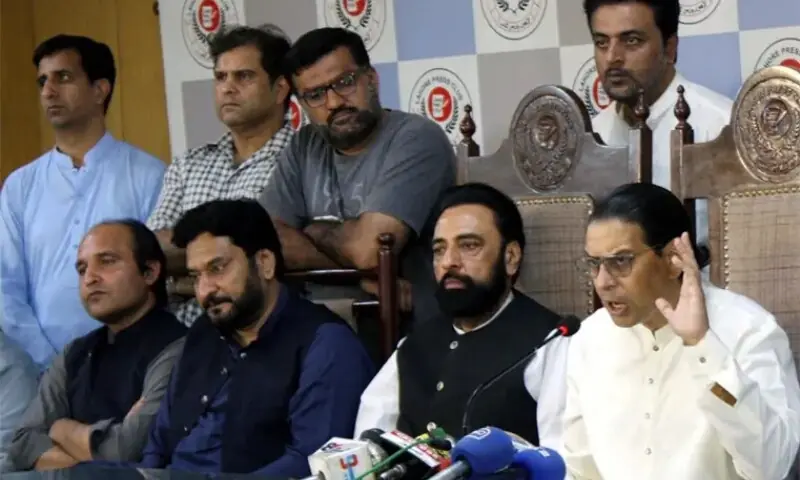
Bilawal Bhutto-Zardari argued in favour of Azad Kashmir and Gilgit- Baltistan being given direct representation in the federal parliament.
In contrast, Azad Kashmir (AJK) developed its own political framework, including an elected assembly, prime minister, and president, albeit under federal oversight. This difference in constitutional evolution stems from historical events following the end of British rule. Both regions revolted against the Maharaja of Jammu and Kashmir. GB chose to accede to Pakistan, while AJK established its own government under Sardar Mohammad Ibrahim Khan. The Karachi Agreement of 1949 controversially transferred administrative powers for GB to Pakistan's government.
During the recent election campaign in GB, the issue of constitutional empowerment received minimal attention, with most parties focusing on governance and development. Bhutto-Zardari, however, centered the PPP's campaign on constitutional rights, referencing the reforms initiated by Zulfikar Ali Bhutto in the early 1970s. These reforms unified the region's princely states, abolished discriminatory laws like the Frontier Crimes Regulation (FCR), and integrated GB more closely with Pakistan's mainstream.
The PPP chairperson has advocated for provisional provincial status for GB, without compromising the country’s stated position on the Kashmir dispute in view of the UN resolutions.
DistantNews Editorial
Originally published by Dawn in English. Translated, summarized, and contextualized by our editorial team with added local perspective. Read our editorial standards.
More Stories
From Our Blog

What Gets Lost (and Found) When News Is Translated

The Critical Role of Diaspora Media in Global News

What Travellers Should Know About Countries with Restricted Press

A Digital Nomad's Guide to Following Local News

How the Same Story Looks Different in Different Countries
