


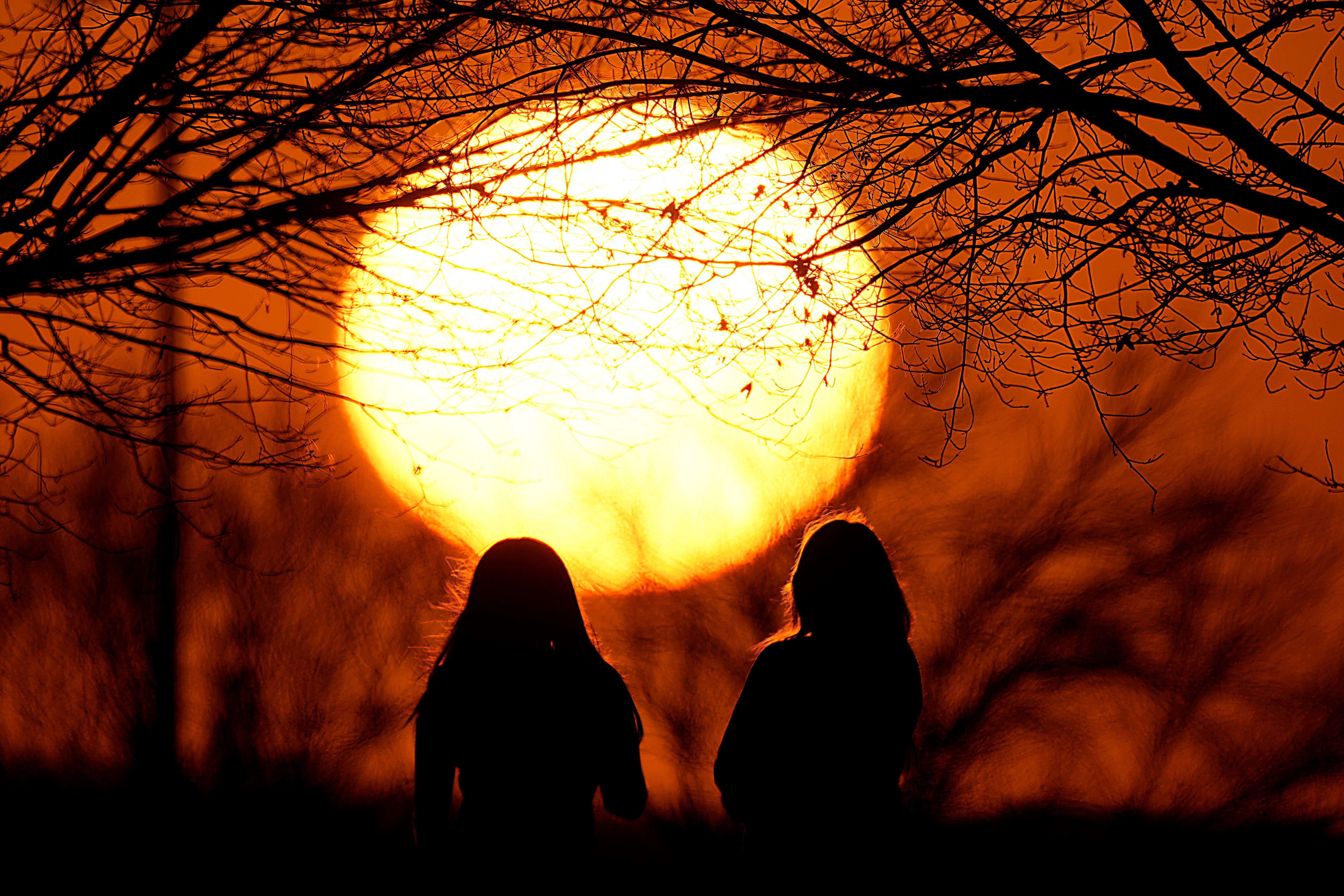
Winter solstice in Argentina set for June 21, 2026
Translated from Spanish, summarized and contextualized by DistantNews.
At a glance
News
Official statement
New plan
- The winter solstice in Argentina for 2026 is scheduled for Sunday, June 21, at 05:24 AM.
- This astronomical event marks the Southern Hemisphere's furthest point from the Sun, signaling the start of winter.
- The exact date and time vary annually due to the difference between the solar year and the Gregorian calendar.
Argentina will officially welcome winter on Sunday, June 21, 2026, with the occurrence of the winter solstice. This astronomical event marks the precise moment when the Southern Hemisphere reaches its furthest point from the Sun, ushering in the coldest season of the year.
The winter solstice is set to take place at 05:24 AM, according to the Argentine Naval Hydrography Service. This phenomenon signifies the shortest day and longest night of the year in the Southern Hemisphere. Concurrently, the Northern Hemisphere experiences its summer solstice, being closest to the Sun.
The timing of the solstice is not fixed to the same date each year. Astronomical models indicate that it typically falls between June 20 and June 21. This variation is attributed to the discrepancy between the tropical year, which is approximately 365.2422 solar days, and the Gregorian calendar year of 365.2425 solar days. This slight difference causes the seasons to realign over a 400-year cycle.
The term "solstice" originates from the Latin word "solstitium," meaning "the sun stands still." This event occurs twice annually, in June and December, denoting the beginning of winter and summer, respectively. It represents the point at which the Sun reaches its maximum declination north or south relative to the Equator.
DistantNews Editorial
Originally published by La Nación in Spanish. Translated, summarized, and contextualized by our editorial team with added local perspective. Read our editorial standards.
More Stories



From Our Blog

What Gets Lost (and Found) When News Is Translated

The Critical Role of Diaspora Media in Global News

What Travellers Should Know About Countries with Restricted Press

A Digital Nomad's Guide to Following Local News

How the Same Story Looks Different in Different Countries
