

With department stores shutting, are anchor tenants a thing of the past for malls?
Summarized and contextualized by DistantNews.
At a glance
News
Named sources
Context piece
- Department stores, once synonymous with Singaporean malls, are losing their status as defining anchor tenants.
- Retail experts note that malls now rely on a diverse mix of F&B, lifestyle, and entertainment tenants instead of single anchors.
- The decline of department stores like Metro, Isetan, and BHG reflects evolving consumer preferences for curated and experience-led offerings.
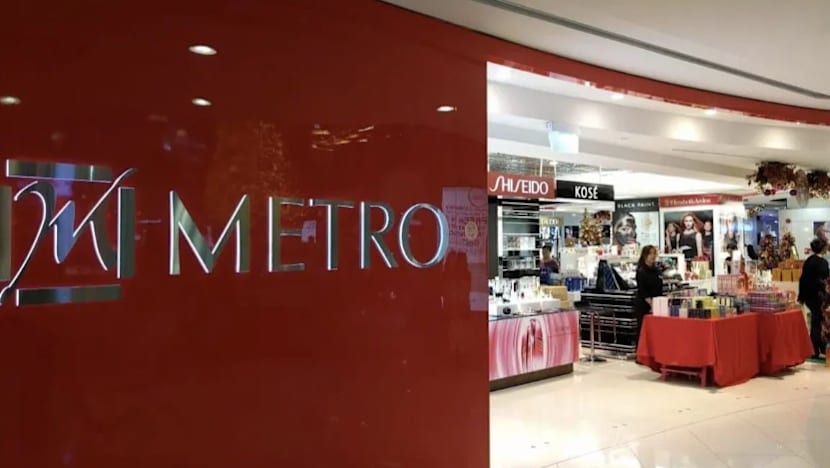
The era of department stores acting as the primary draw for Singapore's shopping malls appears to be drawing to a close. Historically, names like Robinsons at The Centrepoint or Takashimaya at Ngee Ann City were integral to a mall's identity. However, with major retailers like Metro announcing lease expirations and exits from prominent locations, experts suggest that the role of the traditional anchor tenant has significantly diminished.
Instead of relying on a single anchor tenant to pull crowds, mall operators are increasingly turning to a mix of food and beverage (F&B) concepts, lifestyle brands and entertainment tenants to keep shoppers coming.
Instead of relying on a single, large department store to attract shoppers, mall operators are increasingly curating a diverse tenant mix. This strategy emphasizes food and beverage concepts, lifestyle brands, and entertainment options to create a more dynamic and engaging shopping experience. Mr. Ervin Yeo, CEO of commercial management at CapitaLand Investment, highlights that the success of a mall now hinges on the overall strength and strategic curation of its tenant mix, rather than the prominence of any one store.
A mall's success rests on the strength of its overall tenant mix rather than any single tenant.
This shift is driven by evolving consumer behavior. Singaporean shoppers are described as more well-traveled and discerning, seeking "curated, differentiated and experience-led offerings." Consequently, while anchor tenants still play a role in shaping a mall's identity, they are no longer the sole or primary attraction. This evolution is evident in the recent closures of several department store outlets, including Isetan and BHG, signaling a broader trend in the retail landscape.
Singapore shoppers today are more well-travelled and discerning, and are looking for more curated, differentiated and experience-led offerings.
Dr. Chua Yang Liang, head of research and consultancy at JLL Southeast Asia, explains that the relevance of department stores has been diluted as many brands they once housed now operate independently, both online and in physical stores. While department stores may still hold some sway in certain markets, their traditional function as one-stop shopping destinations has been significantly challenged by changing retail dynamics and consumer preferences.
Department stores, for instance, helped drive foot traffic and a mall's branding.
DistantNews Editorial
Originally published by CNA. Summarized and contextualized by our editorial team with added local perspective. Read our editorial standards.
More Stories

From Our Blog

What Gets Lost (and Found) When News Is Translated

The Critical Role of Diaspora Media in Global News

What Travellers Should Know About Countries with Restricted Press

A Digital Nomad's Guide to Following Local News

How the Same Story Looks Different in Different Countries
