


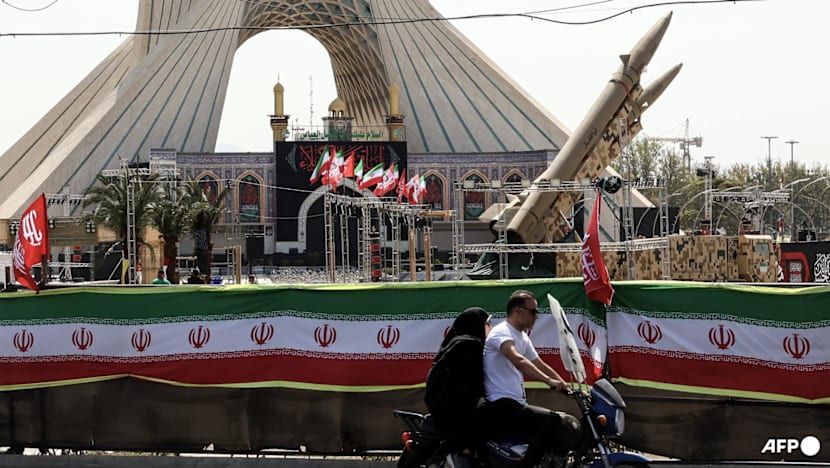
With New Leverage Over Strait of Hormuz, Does Iran Seek Nuclear Weapons?
Translated from English, summarized and contextualized by DistantNews.
At a glance
Analysis
Named sources
Context piece
- Iran's nuclear ambitions have become more obscure following recent regional conflicts.
- The country's leverage over the Strait of Hormuz may influence its pursuit of nuclear weapons.
- A university lecturer suggests Iran's motivations and capabilities regarding nuclear weapons are unclear.
Iran's pursuit of nuclear weapons remains shrouded in ambiguity, particularly in the wake of heightened regional tensions. The country's strategic position and its demonstrated capabilities, including potential leverage over the vital Strait of Hormuz shipping lane, raise critical questions about its ultimate nuclear intentions. A university lecturer suggests that Iran's ambitions in this arena are more opaque than ever before.
The lecturer posits that Iran's strategic calculus regarding nuclear armament is complex and possibly evolving. The increased control or influence Iran might exert over the Strait of Hormuz, a critical chokepoint for global oil transport, could be a factor in its nuclear calculations. This leverage might embolden Iran or, conversely, complicate its international standing, influencing whether it feels the need or desire to develop a nuclear weapon.
The article emphasizes the difficulty in discerning Iran's precise goals and the timeline for any potential nuclear program. The war in the region has further obscured an already opaque situation, making assessments of Iran's nuclear posture challenging for international observers. The commentary urges a deeper examination of Iran's strategic objectives and the potential implications of its nuclear ambitions.
DistantNews Editorial
Originally published by CNA in English. Translated, summarized, and contextualized by our editorial team with added local perspective. Read our editorial standards.
More Stories
From Our Blog

What Gets Lost (and Found) When News Is Translated

The Critical Role of Diaspora Media in Global News

What Travellers Should Know About Countries with Restricted Press

A Digital Nomad's Guide to Following Local News

How the Same Story Looks Different in Different Countries
