


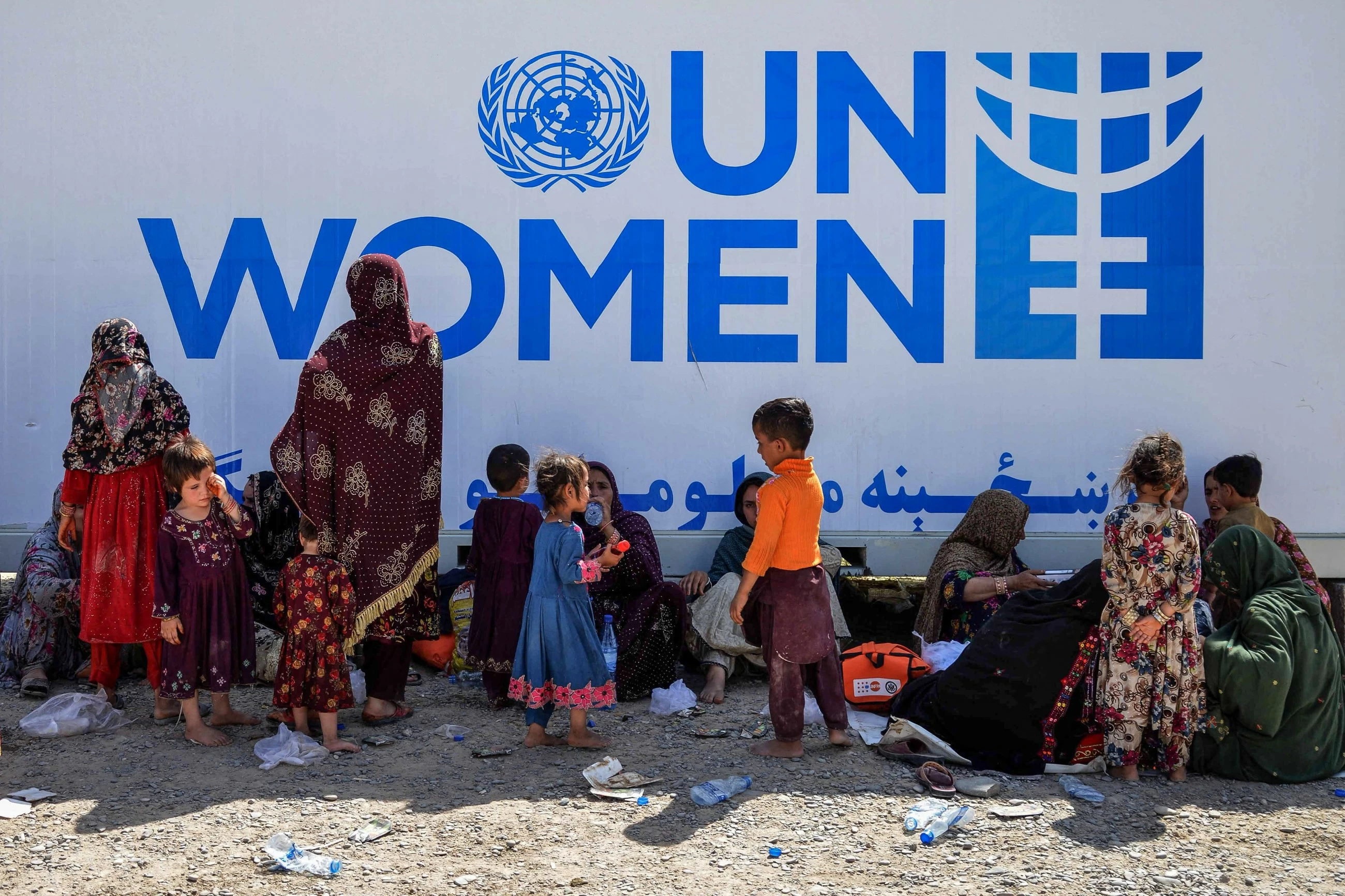
Women now make up majority of migrants in Europe and Central Asia: UN
Summarized and contextualized by DistantNews.
At a glance
News
Official statement
Context piece
- Women now constitute the majority of migrants in Europe and Central Asia, accounting for 54% of the total.
- This shift is driven by women migrating independently for education, work, safety, and economic opportunities.
- Despite new opportunities, migrant women face barriers including job overqualification, low pay, and risks of exploitation and gender-based violence.
Women are now the primary demographic among migrants in Europe and Central Asia, representing 54% of all individuals moving across the region, according to a new report by UN Women. This marks a significant transformation in migration patterns, with women increasingly undertaking journeys independently.
The report highlights that women are seeking better prospects for education, employment, safety, and economic stability, often migrating without accompanying family members. UN Women Regional Director Belén Sanz Luque emphasized this trend, stating, "Migration has the face of a woman. It is time we see it."
This evolving migration landscape unfolds against a backdrop of the war in Ukraine, ongoing regional conflicts, and escalating climate pressures such as floods, droughts, and extreme heat. While migration offers potential opportunities, many highly educated migrant women find themselves overqualified for available jobs. Others are concentrated in low-paid, precarious sectors, increasing their vulnerability to exploitation and gender-based violence.
The report also points to the disproportionate impact of conflict and climate change on women, further influencing their decision to migrate. Addressing the specific challenges and vulnerabilities faced by these women is crucial as they navigate new environments and seek to build secure futures.
Migration has the face of a woman. It is time we see it.
DistantNews Editorial
Originally published by Gulf Today. Summarized and contextualized by our editorial team with added local perspective. Read our editorial standards.
More Stories


From Our Blog

What Gets Lost (and Found) When News Is Translated

The Critical Role of Diaspora Media in Global News

What Travellers Should Know About Countries with Restricted Press

A Digital Nomad's Guide to Following Local News

How the Same Story Looks Different in Different Countries
