


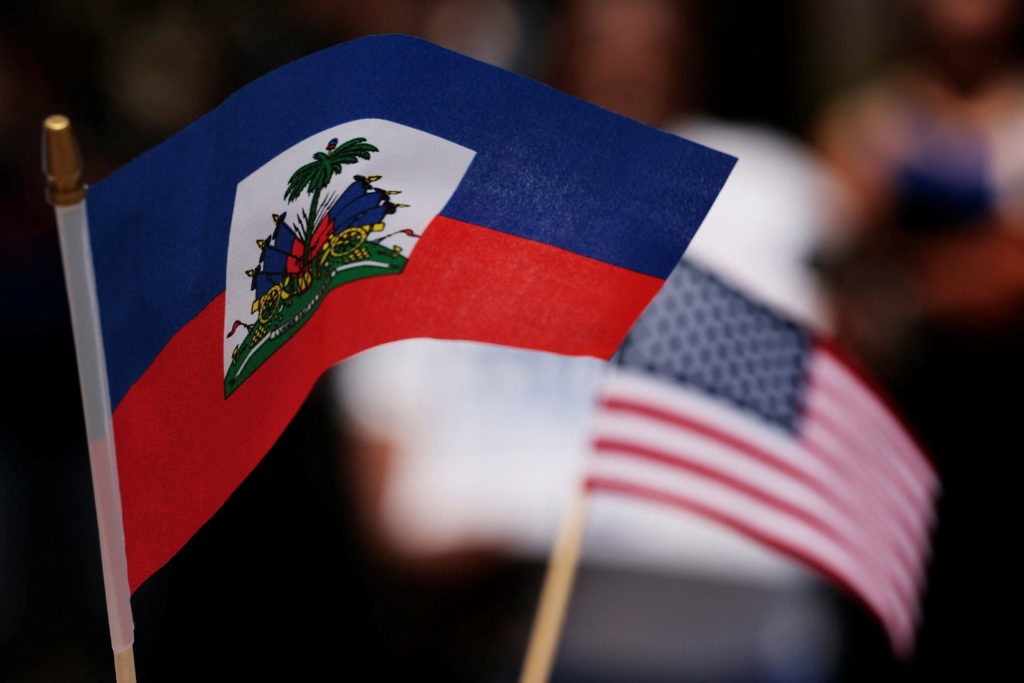
Work permits lost, legal status expired: Haitians and Syrians face uncertain future in US as TPS ends
Translated from English, summarized and contextualized by DistantNews.
At a glance
News
Sources not specified
Context piece
- Around 350,000 Haitians and Syrians in the U.S. face losing their legal status and work permits as Temporary Protected Status (TPS) expires.
- Many are unable to return to their home countries due to ongoing crises, including gang violence, political instability, and natural disasters.
- The Supreme Court's decision allowed the end of TPS for Haiti and Syria, leaving individuals in fear and uncertainty about their future.
Hundreds of thousands of Haitians and Syrians living in the United States are at a critical juncture as their work permits and legal status expire. These individuals, who sought refuge under the Temporary Protected Status (TPS) program, now face an uncertain future because their home countries remain too unstable to return to. The crises that prompted their initial flight, including severe violence and environmental disasters, have not abated.
It's not that we don't want to go back to Haiti. It's just the situation doesn't allow us to.
Harriett Cecilia Joseph, who has lived in Springfield, Ohio, since applying for TPS in August 2021, described the devastating impact of the program's potential end. She had established a life, built a community, secured employment, and started her own event planning business. Learning that the program allowing her to work and live legally in the U.S. was ending left her feeling numb and filled with fear. "It's not that we don't want to go back to Haiti," Joseph told PBS News, "It's just the situation doesn't allow us to."
In June, the U.S. Supreme Court upheld the Trump administration's decision to end TPS for Haiti and Syria, a ruling that also impacts citizens from several other nations. Murad Awawdeh, president of the New York Immigration Coalition, expressed the profound fear gripping these communities, calling the situation "unconscionable."
It's so hard to verbalize the impact unless you put yourself in that position. The depth of the fear that people are living in right now is unconscionable.
Joseph's journey to the U.S. began in March 2021 on a tourist visa, prompted by escalating danger in Haiti. Gangs had made her work in the Ministry of Commerce impossible due to violence and kidnappings. She hoped to visit the U.S. temporarily while conditions improved back home, a hope that has since faded. Her family in Haiti urged her to stay in the U.S. after gang members began extorting and threatening her father and brothers. The situation in Haiti has drastically worsened since 2021, marked by the assassination of President Jovenel Moïse, widespread gang violence, an earthquake, and a tropical storm. According to the United Nations, gangs now control 90% of the capital, Port-au-Prince, which a U.S. ambassador described as a "kill zone."
I said, 'OK, I can plan to go (to the U.S.), visit a little bit while things get better in Haiti.' Because we always have this hope that things will be better in Haiti.
DistantNews Editorial
Originally published by PBS NewsHour in English. Translated, summarized, and contextualized by our editorial team with added local perspective. Read our editorial standards.
More Stories


From Our Blog

How the Same Story Looks Different in Different Countries

What Gets Lost (and Found) When News Is Translated

The Critical Role of Diaspora Media in Global News

What Travellers Should Know About Countries with Restricted Press

A Digital Nomad's Guide to Following Local News
