


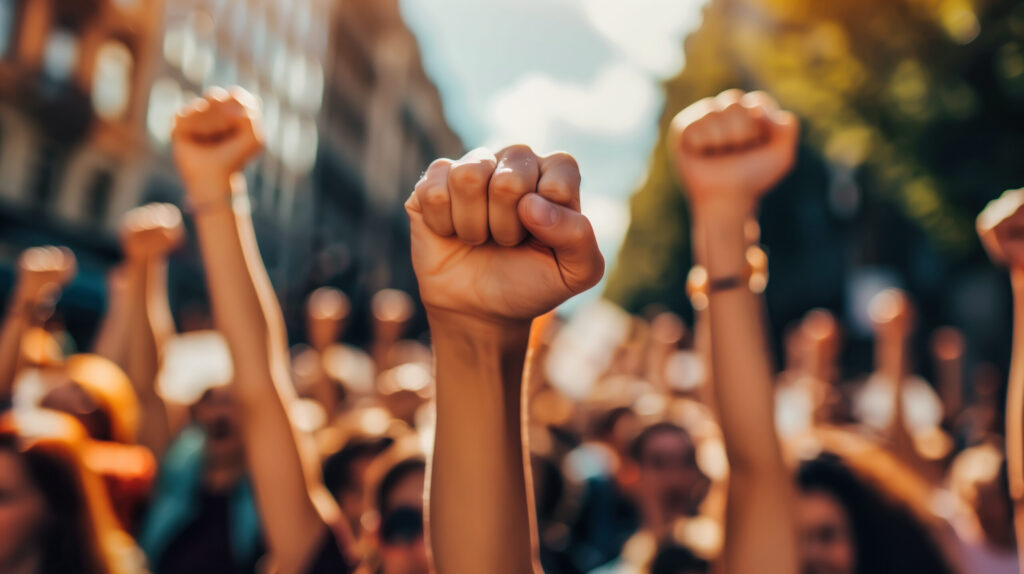
Worker Empowerment
Summarized and contextualized by DistantNews.
At a glance
Explainer
Sources not specified
Context piece
- Politicians and activists frequently use the term 'people's empowerment.'
- Trade unionists tend to focus on 'worker empowerment,' emphasizing collective bargaining and workplace rights.
- The concept of worker empowerment aims to give employees more control over their jobs and working conditions.
While politicians and social activists often speak of 'people's empowerment,' a distinct focus on 'worker empowerment' is championed by trade unionists. This specialized terminology highlights a particular concern for the rights and agency of employees within the workplace.
Worker empowerment, as understood by trade unionists, centers on granting employees greater control over their jobs and working conditions. This includes advocating for robust collective bargaining processes, ensuring fair wages, and promoting safe and healthy work environments. The goal is to shift power dynamics, giving workers a stronger voice in decisions that affect their livelihoods.
The emphasis on worker empowerment suggests a belief that broader 'people's empowerment' may not sufficiently address the specific challenges faced by labor. Trade unions argue that dedicated efforts are needed to ensure that workers, as a distinct group, are adequately protected and have the means to improve their economic and social standing through organized action.
This perspective underscores the ongoing dialogue about power, rights, and representation in society. While 'people's empowerment' offers a general vision, 'worker empowerment' provides a targeted framework for addressing the unique needs and aspirations of the labor force.
DistantNews Editorial
Originally published by Barbados Today. Summarized and contextualized by our editorial team with added local perspective. Read our editorial standards.
More Stories

From Our Blog

What Gets Lost (and Found) When News Is Translated

The Critical Role of Diaspora Media in Global News

What Travellers Should Know About Countries with Restricted Press

A Digital Nomad's Guide to Following Local News

How the Same Story Looks Different in Different Countries
