


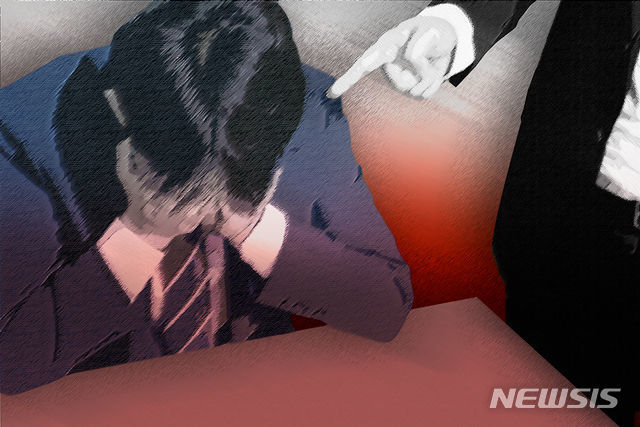
Workplace Harassment Reports Surge in South Korea, But Penalties Remain Minimal: Advocacy Group Cites Lack of Enforcement Effectiveness
Translated from Korean, summarized and contextualized by DistantNews.
At a glance
News
Documents & data
Context piece
- Reports indicate a nearly threefold increase in workplace harassment complaints filed with the labor ministry in South Korea, reaching 16,373 cases last year.
- Despite the surge in reports, only 1.4% of cases resulted in fines, and a mere 0.6% were forwarded to prosecutors, highlighting a significant gap in enforcement.
- An advocacy group criticizes the low penalty rates and inconsistent regional prosecution rates, arguing the current system lacks effectiveness and fails to adequately protect victims.
Despite a nearly threefold surge in workplace harassment complaints filed with South Korea's Ministry of Employment and Labor, the system's effectiveness is being called into question due to a starkly low rate of punitive actions. Last year, the ministry received 16,373 complaints, a significant jump from 5,823 in 2020. However, only 231 cases, or 1.4%, resulted in fines, and a mere 101 cases, or 0.6%, were sent to prosecutors with recommendations for charges.
If even serious cases that the Ministry of Labor recommends for prosecution are closed without any sanctions, the law cannot guarantee even minimal effectiveness.
Further analysis reveals that even among cases recommended for prosecution by the ministry, nearly a quarter were ultimately dismissed without criminal charges. Of the 27 cases where outcomes were confirmed, 26.7% received a deferred prosecution, meaning more than one in four cases ended without a formal criminal penalty. This suggests a considerable disconnect between the labor ministry's assessment of serious offenses and prosecutors' decisions to indict.
The disparity extends to regional enforcement, with prosecution rates varying significantly. Seoul's labor office reported a 60% prosecution rate, while Busan's stood at 45.5%. This geographical inconsistency means a victim's chance of receiving criminal recourse can depend on where they live, according to the advocacy group Workplace Gabjil 119. The group also noted that employer-perpetrated harassment accounted for 27% of reported cases, yet separate data on fines for such incidents is not collected, obscuring the system's efficacy in holding employers accountable.
A labor attorney at Workplace Gabjil 119 criticizes the lack of meaningful penalties for severe workplace harassment cases, questioning the law's practical impact.
"If even serious cases that the Ministry of Labor recommends for prosecution are closed without any sanctions, the law cannot guarantee even minimal effectiveness," stated Kim Yu-kyung, a labor attorney at Workplace Gabjil 119. She highlighted instances where employers are allowed to investigate their own harassment claims, leading to cases being returned to the company rather than being formally addressed. Kim urged for concrete measures to prevent such self-investigations from undermining the process and ensure genuine accountability for workplace misconduct.
The fact that prosecution is decided differently depending on the region means that the possibility of criminal relief changes depending on where the victim lives.
DistantNews Editorial
Originally published by Dong-A Ilbo in Korean. Translated, summarized, and contextualized by our editorial team with added local perspective. Read our editorial standards.
More Stories


From Our Blog

What Gets Lost (and Found) When News Is Translated

The Critical Role of Diaspora Media in Global News

What Travellers Should Know About Countries with Restricted Press

A Digital Nomad's Guide to Following Local News

How the Same Story Looks Different in Different Countries
