

World Bank approves $375.9m to strengthen Pakistan's power transmission network
Summarized and contextualized by DistantNews.
At a glance
News
Official statement
Approved/passed
- The World Bank has approved $375.9 million in financing to enhance Pakistan's power transmission network.
- The Grid Stability Enhancement Project aims to modernize the network, reduce outages, and integrate more clean energy.
- This initiative is the first phase of a 10-year program designed to improve energy security and support Pakistan's renewable energy goals.
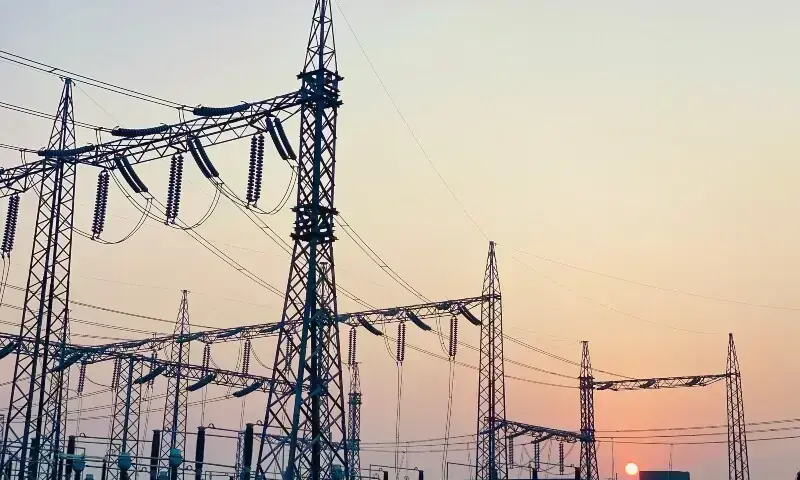
The World Bank's Board of Executive Directors has approved $375.9 million to bolster Pakistan's national power transmission network through the Grid Stability Enhancement Project. This project marks the initial phase of a decade-long program aimed at modernizing the country's electricity infrastructure, minimizing power outages, and increasing the supply of clean energy to homes and industries. The initiative is being implemented under the Boosting Energy Security through Transmission in Pakistan (BEST-PAK) Multiphase Programmatic Approach (MPA). According to the World Bank, Pakistan faces significant energy challenges intertwined with its economic stability. By investing in advanced technologies for a more resilient transmission infrastructure, the project is expected to lower electricity costs, facilitate the integration of renewable energy sources into the grid, and establish a more effective power sector. This, in turn, is anticipated to benefit households, businesses, and industries, contributing to Pakistan's overall economic growth. The country's electricity network has been hampered by grid instability and transmission bottlenecks, which restrict the delivery of reliable power and lead to underutilization of clean energy generation. These constraints result in frequent power outages, higher electricity costs, and lost economic opportunities for millions of Pakistanis. The project will introduce advanced equipment to stabilize the transmission grid and enhance electricity flow at key substations. These upgrades are projected to bring 640MW of currently curtailed wind energy onto the grid and enable the full utilization of 1,840MW of wind capacity in southern Pakistan by redirecting power to major demand centers. Furthermore, the improvements will support the integration of approximately 491MW from planned private sector-led renewable energy projects. This aligns with Pakistan's national commitment to achieve 60% renewable energy in its electricity mix by 2030, as outlined in its Nationally Determined Contribution under the Paris Agreement. The project is also expected to prevent the annual emission of around 832,500 tonnes of carbon dioxide, totaling over 20.8 million tonnes across 25 years. Waleed Saleh Alsuraih, Lead Energy Specialist for the World Bank's BEST-PAK program, emphasized that a reliable and modern transmission grid is crucial for Pakistan's energy future. He stated that this first phase of the BEST-PAK program paves the way for large-scale clean energy deployment, enhanced energy security, and the development of a modern, commercially oriented transmission sector through targeted investments and institutional reforms, creating an environment conducive to future private capital investment.
Pakistan’s energy challenges are deeply interconnected with its broader economic stability. By investing in advanced technologies for more resilient transmission infrastructure, this project will contribute to reducing electricity costs, bring more renewable energy onto the grid, and lay the groundwork for a power sector that works better for households, businesses and industries, as well as overall Pakistan’s economy.
DistantNews Editorial
Originally published by Dawn. Summarized and contextualized by our editorial team with added local perspective. Read our editorial standards.
More Stories

From Our Blog

What Gets Lost (and Found) When News Is Translated

The Critical Role of Diaspora Media in Global News

What Travellers Should Know About Countries with Restricted Press

A Digital Nomad's Guide to Following Local News

How the Same Story Looks Different in Different Countries
