

World Cup 2026: Don't let matches ruin your health
Translated from Vietnamese, summarized and contextualized by DistantNews.
At a glance
News
Sources not specified
Context piece
- The 2026 World Cup's time difference with Vietnam means many matches will air late at night or early morning, potentially disrupting sleep schedules.
- Medical experts warn that staying up late, combined with the stress of exciting games, can increase heart rate, blood pressure, and stress hormones, posing risks especially to those with pre-existing conditions.
- To mitigate health risks, fans are advised to sleep earlier, take short naps, stay active during breaks, and choose healthier late-night snacks.
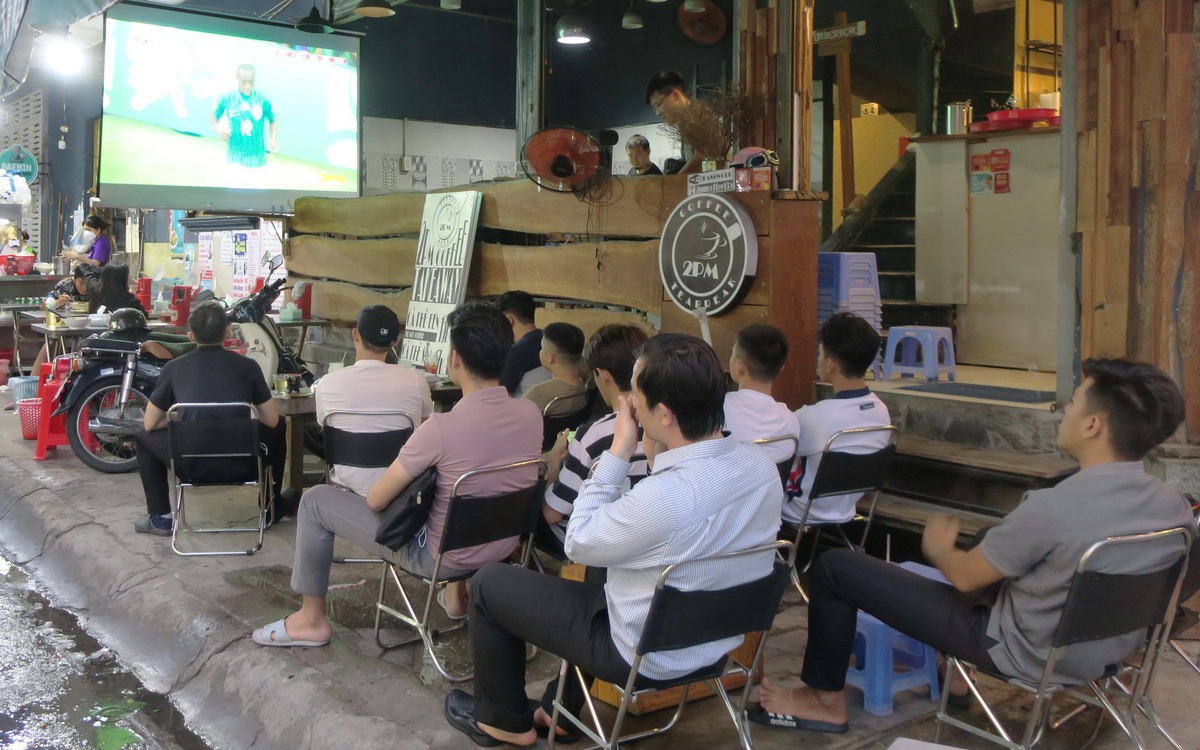
As the 2026 World Cup approaches, Vietnamese fans face a challenging schedule due to the significant time difference. Group stage matches are set to broadcast from midnight until noon the following day, with crucial knockout games, including the finals, scheduled for the difficult 2 AM slot (Vietnam time).
This viewing pattern inevitably leads to late nights and sleep deprivation for many enthusiasts eager not to miss any action. However, medical professionals are sounding the alarm about the potential health consequences of this disrupted sleep cycle, particularly if fans are not cautious.
Staying awake all night disrupts the body's natural circadian rhythm, leading to severe sleep deprivation. The excitement of close games, penalty shootouts, and dramatic moments further stimulates the sympathetic nervous system, causing a surge in stress hormones like adrenaline and cortisol. This physiological response results in an accelerated heart rate, a sharp increase in blood pressure, and sudden constriction of blood vessels.
While a healthy individual might only experience fatigue, these fluctuations can trigger dangerous health events in susceptible people. A well-known study published in The New England Journal of Medicine during the 2006 World Cup in Germany found that on days the national team played, cardiovascular emergency calls for men increased by 3.2 times and for women by 1.8 times compared to normal days. Similarly, during the 1998 World Cup, England's loss to Argentina in a penalty shootout saw a 25% spike in heart attack admissions in the UK on the day of the match and the two subsequent days.
These figures highlight how psychological pressure from football can be the tipping point for individuals with already weakened hearts. Three groups are particularly at risk: those with cardiovascular disease and hypertension, individuals with chronic conditions like diabetes or stomach issues, and those who must work the following day. For those planning to stay up for the 2 AM matches, experts recommend sleeping from 8 PM to 9 PM beforehand and taking a 30-minute nap during the day. Simple exercises during halftime breaks and opting for healthier snacks like fruit over instant noodles or fried foods are also advised to maintain circulation and manage stress.
DistantNews Editorial
Originally published by Tuổi Trẻ in Vietnamese. Translated, summarized, and contextualized by our editorial team with added local perspective. Read our editorial standards.
More Stories

From Our Blog

What Gets Lost (and Found) When News Is Translated

The Critical Role of Diaspora Media in Global News

What Travellers Should Know About Countries with Restricted Press

A Digital Nomad's Guide to Following Local News

How the Same Story Looks Different in Different Countries
