


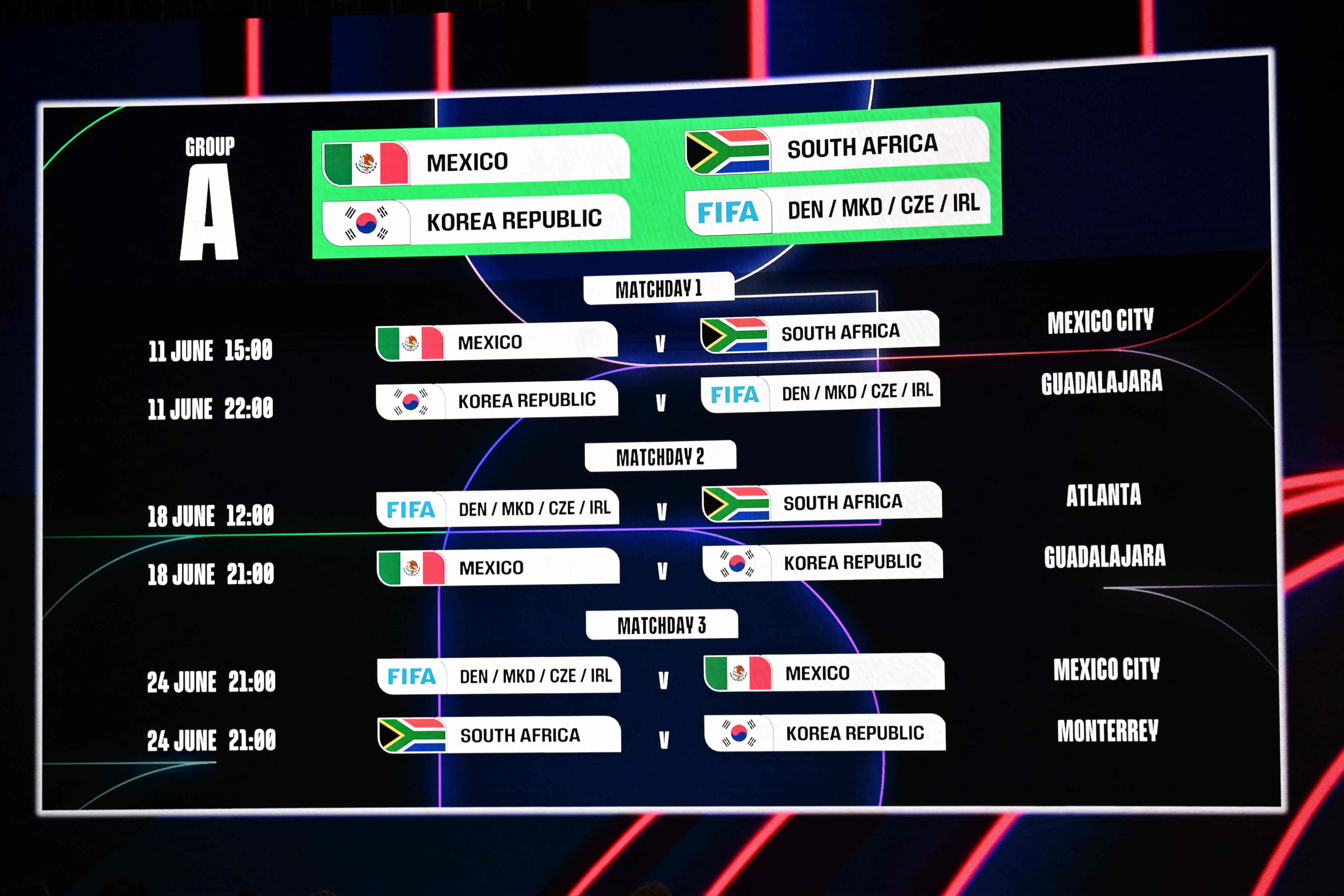
World Cup 2026 groups: A look at the teams in the expanded tournament
Translated from Spanish, summarized and contextualized by DistantNews.
At a glance
News
Sources not specified
Context piece
- The 2026 World Cup, hosted by the US, Mexico, and Canada, will feature an expanded 48-team format divided into 12 groups of four.
- The top two teams from each group, plus the eight best third-place teams, will advance to a new 32-team knockout stage.
- Brazil leads the all-time World Cup winners with five titles, followed by Germany and Italy with four each.
The 2026 FIFA World Cup, set to be co-hosted by the United States, Mexico, and Canada, will be the largest in history with 48 participating teams. This expansion has necessitated a significant format change, introducing 12 groups of four teams each for the initial stage.
Each group will feature a seeded team, determined by the FIFA rankings. The three host nations and the nine highest-ranked teams, including Argentina, are among the top seeds. These favored teams are expected to lead their respective groups and advance to the newly introduced playoffs. Spain, ranked No. 1 in the world, is a top seed in Group H.
In the first round, teams will play each other once, resulting in three matches per team. The top two finishers from each group, along with the eight best third-placed teams across all groups, will qualify for the Round of 32. This expanded knockout stage marks a departure from previous 32-team World Cups and will feature direct elimination matches leading to the final.
Historically, Brazil holds the record for the most World Cup titles with five wins, followed by Germany and Italy, each with four. Argentina ranks third with three championships, having won in 1978, 1986, and 2022. France and Uruguay have each won the tournament twice, while England and Spain have one title each.
DistantNews Editorial
Originally published by La Nación in Spanish. Translated, summarized, and contextualized by our editorial team with added local perspective. Read our editorial standards.
More Stories


From Our Blog

What Gets Lost (and Found) When News Is Translated

The Critical Role of Diaspora Media in Global News

What Travellers Should Know About Countries with Restricted Press

A Digital Nomad's Guide to Following Local News

How the Same Story Looks Different in Different Countries
