


World Cup 2026: The neighbor of the Azteca who was born with Pelé's triumph and snuck in to see Maradona in '86
Translated from Spanish, summarized and contextualized by DistantNews.
At a glance
In-depth
Named sources
Context piece
- A lifelong resident of Mexico City's Santa Úrsula Coapa neighborhood, near the Azteca Stadium, reflects on how the area has changed since the 1970s and 1980s.
- He expresses disappointment with the 2026 World Cup format, citing high ticket prices and restrictions that diminish the festive atmosphere compared to the 1986 tournament.
- Residents are unhappy with FIFA's control over the area around the stadium, which includes restrictions on alcohol sales and bar broadcasts, impacting local businesses.
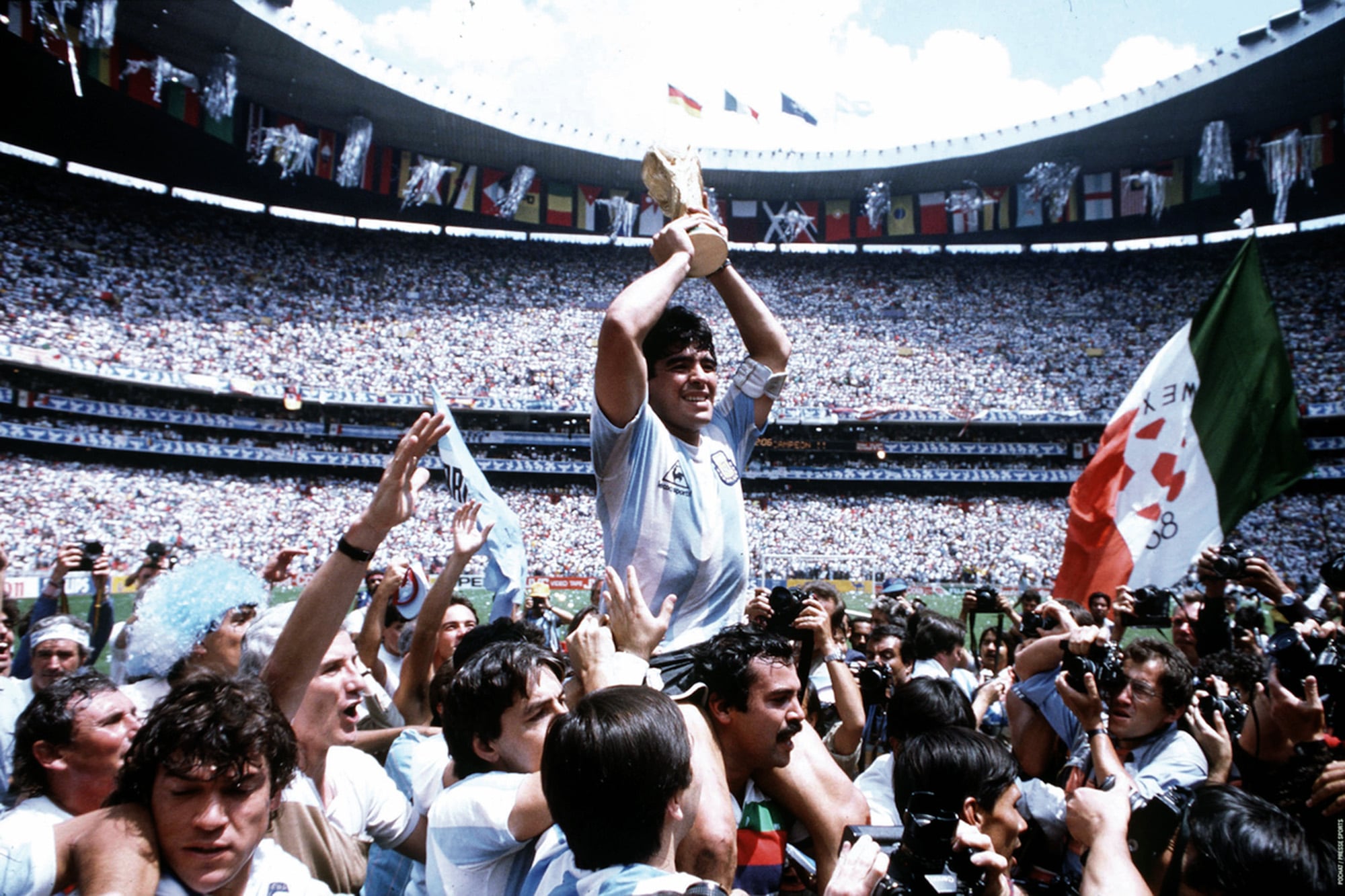
Arturo, a 56-year-old resident of Santa Úrsula Coapa, has lived his entire life across from the Azteca Stadium in Mexico City. He remembers the neighborhood's transformation from a rural area with dirt roads and clear canals in 1970, when Brazil, led by Pelé, won their third World Cup, to its current state.
This World Cup is not like '86. Now everything is very different, it cuts off people's joy of living what was really lived in '86, when fans sang, they could go to the stadium without problems and you saw all the foreigners arrive with joy, like the Scots who came with their skirts.
"This World Cup is not like '86," Arturo states, echoing the discontent felt by many Mexicans regarding the current tournament's format. He laments that the event offers only a few matches to the country and features prohibitively high ticket prices. "Now everything is very different, it cuts off people's joy of living what was really lived in '86, when fans sang, they could go to the stadium without problems and you saw all the foreigners arrive with joy, like the Scots who came with their skirts," he told LA NACION.
Arturo, who worked in construction and as a car attendant before matches, dismisses the allure of current stars like Messi or Ronaldo. "Today's players are not like Maradona, Pelé or Hugo Sánchez. Nothing alike," he asserts. He recalls stories from friends and family about the 1970 World Cup, describing it as a beautiful event filled with people and foreigners celebrating in the streets, similar to the atmosphere of 1986.
Today's players are not like Maradona, Pelé or Hugo Sánchez. Nothing alike.
He contrasts this with the present day, noting, "Today it's very different when you see people, they don't enjoy it the same way. You see people much, much more subdued. It's not like before, it's not a World Cup where you can walk freely around the surroundings, now they don't even let us sell beer on the day of the match. We won't even be able to have a beer or even watch the match in the bar."
Today it's very different when you see people, they don't enjoy it the same way. You see people much, much more subdued. It's not like before, it's not a World Cup where you can walk freely around the surroundings, now they don't even let us sell beer on the day of the match. We won't even be able to have a beer or even watch the match in the bar.
Neighbors are complaining to authorities who have ceded control of a large perimeter around the stadium to FIFA. This means no alcohol sales, no parking, and no broadcasts of the match in local bars just meters away. "They ask us for $4,000 per screen if we want to show the match in our lifelong bar," complains the owner of another busy taqueria.
They ask us for $4,000 per screen if we want to show the match in our lifelong bar.
DistantNews Editorial
Originally published by La Nación in Spanish. Translated, summarized, and contextualized by our editorial team with added local perspective. Read our editorial standards.
More Stories
From Our Blog

What Gets Lost (and Found) When News Is Translated

The Critical Role of Diaspora Media in Global News

What Travellers Should Know About Countries with Restricted Press

A Digital Nomad's Guide to Following Local News

How the Same Story Looks Different in Different Countries
