

World Cup: Argentina's Messi and Scaloni Forge Winning Formula
Translated from German, summarized and contextualized by DistantNews.
At a glance
Analysis
Sources not specified
Context piece
- Argentina, led by Lionel Messi, is a favorite in the 2026 World Cup quarterfinals, with Messi scoring eight goals in five games.
- Coach Lionel Scaloni has strategically managed Messi's integration into the team, building a framework around him.
- Younger teammates now support Messi, sharing the workload and demonstrating the team's collective strength beyond individual brilliance.
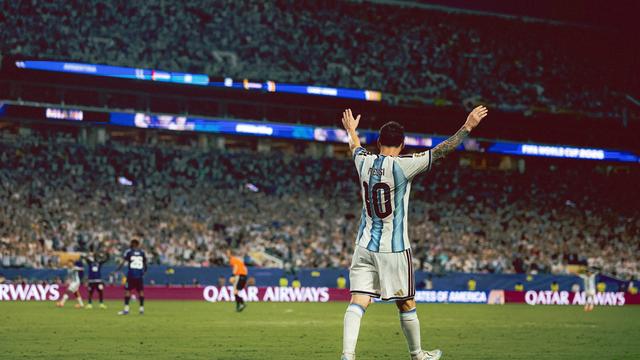
As the 2026 World Cup enters its quarterfinals, Argentina stands out as a strong contender, largely due to the enduring brilliance of Lionel Messi. At 39, Messi continues to captivate audiences, often positioning himself in the center circle, waiting for his moments to decisively impact the game. His performance has been remarkable, netting eight goals across five matches, fueling the narrative that he can carry the team single-handedly.
However, this individualistic portrayal overlooks the crucial role of coach Lionel Scaloni. For years, particularly after disappointing national team performances before 2022, Messi was perceived as a player who excelled only at the club level. Scaloni's strategic approach has been instrumental in changing this perception. He deliberately removed Messi from the team for a period, allowing a solid structure to develop in his absence.
Once this foundation was established, Scaloni reintegrated Messi, the "genius." Now, his younger teammates, some of whom are described as admirers, actively work to support him. They don't solely rely on Messi's extraordinary abilities, as evidenced by their late victory against Egypt, which highlighted the team's collective resilience and effort.
This dynamic showcases a mature team that understands how to leverage its star player while also distributing responsibilities. The blend of Messi's individual genius and the collective effort of his teammates presents a formidable challenge for any opponent in the remaining stages of the tournament.
DistantNews Editorial
Originally published by Die Zeit in German. Translated, summarized, and contextualized by our editorial team with added local perspective. Read our editorial standards.
More Stories
From Our Blog

What Gets Lost (and Found) When News Is Translated

How the Same Story Looks Different in Different Countries

The Critical Role of Diaspora Media in Global News

What Travellers Should Know About Countries with Restricted Press

A Digital Nomad's Guide to Following Local News
