


World Cup: Did a Cable Affect the Ball? England Goal Sparks Debate
Translated from German, summarized and contextualized by DistantNews.
At a glance
News
Named sources
Outcome reported
- A controversial goal by Jude Bellingham in England's World Cup quarterfinal against Norway sparked debate over a potential handball involving a camera cable.
- FIFA stated that data from the ball's sensor showed no evidence of contact with the cable.
- Norwegian officials and coaches expressed confusion and frustration, while FIFA's technical data supported the referee's decision to allow the goal.
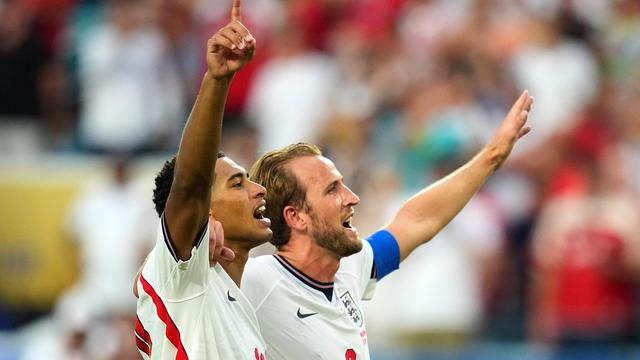
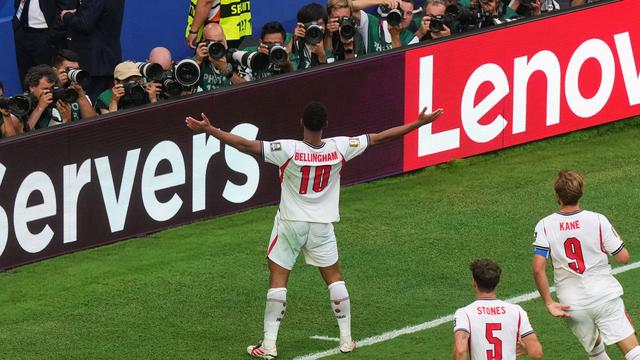
A camera cable became the center of controversy during England's dramatic 2-1 extra-time victory over Norway in the World Cup quarterfinals, after Jude Bellingham's equalizer. Questions arose whether the ball touched a cable suspended in the air, potentially altering its trajectory before Bellingham scored.
The referee said he didn't see it and received no information. And since FIFA says there was no contact, then he can't do anything.
Norwegian players and staff complained to the referee, but FIFA quickly responded via social media, stating that data from the ball's internal sensor provided no evidence of contact. The sensor, designed to detect ball touches and assist in decisions like handball, showed no anomalies, according to FIFA.
Despite FIFA's technical explanation, Norwegian coach Stale Solbakken voiced his team's confusion. "The referee said he didn't see it and received no information. And since FIFA says there was no contact, then he can't do anything," Solbakken explained. He added that the ball fell near their bench, and while he didn't see the contact himself, his staff reacted immediately, suggesting it was "obvious."
But the ball fell right down in front of our bench. I myself did not see that the cable was touched, but our bench reacted immediately. It is actually a clear thing.
England's German coach, Thomas Tuchel, commented on the incident, humorously noting the ball's chip technology. "I mean, there's a chip in the ball that tells you if it touches a hair," he remarked. According to referee expert Patrick Ittrich, the rules stipulate a dropped ball if the ball hits an object not part of the game, but only if it influences play. In this case, FIFA's data indicated no such influence, leading to the goal standing.
I mean, there's a chip in the ball that tells you if it touches a hair.
DistantNews Editorial
Originally published by Der Spiegel in German. Translated, summarized, and contextualized by our editorial team with added local perspective. Read our editorial standards.
More Stories

From Our Blog

What Gets Lost (and Found) When News Is Translated

How the Same Story Looks Different in Different Countries

The Critical Role of Diaspora Media in Global News

What Travellers Should Know About Countries with Restricted Press

A Digital Nomad's Guide to Following Local News
