

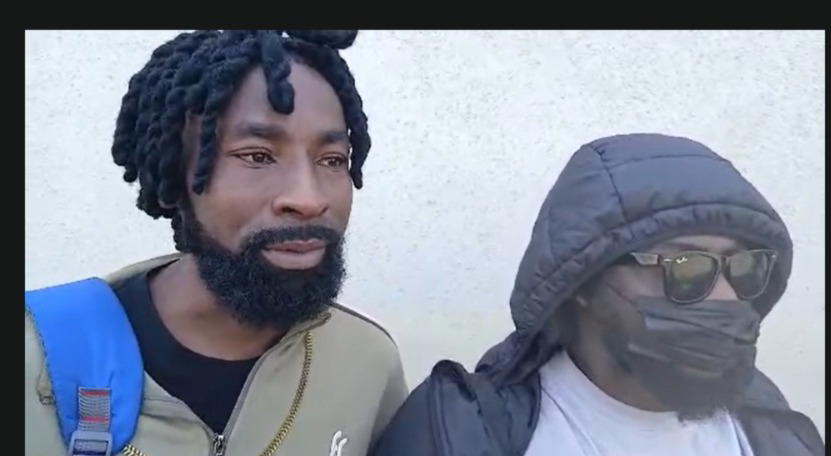

World Cup: Influencers who record, post content risk deportation, US warns
Summarized and contextualized by DistantNews.
At a glance
News
Named sources
New plan
- The US government warns foreign influencers on tourist visas against generating income from content creation in the country.
- Such activities are considered work and require appropriate visas, violating the terms of a B-2 tourist visa.
- Violators risk visa cancellation, deportation, and future travel restrictions.
The United States government has issued a stern warning to foreign content creators and social media influencers, cautioning them against earning income from content creation while in the U.S. on a tourist visa. The advisory, released on the eve of the 2026 FIFA World Cup, emphasizes that such activities violate the conditions of their admission status.
U.S. Customs and Border Protection and the Department of Homeland Security clarified that using a tourist visa solely for content creation, thereby generating income from U.S. sources, constitutes work and necessitates the appropriate work visa. The standard B-2 tourist visa is intended for leisure, vacations, family visits, or medical treatment and does not authorize paid work or income generation from activities within the U.S.
Individuals found in violation of these terms face severe consequences, including immediate visa cancellation, deportation, and potential restrictions on future travel to the United States. This warning applies to creators who monetize content on popular platforms like YouTube, TikTok, Instagram, and Facebook, as well as those working for media outlets.
Having the sole purpose of the visit be content creation (as an influencer), thereby generating income from U.S. sources while in the country, is considered work and requires the appropriate visa.
Immigration lawyer Alex Galvez noted that influencers might pursue legal challenges if their social media accounts are registered abroad and payments are received outside the U.S. The warning comes as the World Cup, co-hosted by the U.S., Mexico, and Canada, is expected to draw numerous independent content creators eager to cover the event.
This enforcement climate follows other visa-related concerns surrounding the World Cup, including restrictions on some International Sports Press Association members and the denial of entry to Somali referee Omar Abdulkadir Artan.
Influencers could mount a legal challenge if their social media accounts were registered in their home countries and payments were received outside the United States.
DistantNews Editorial
Originally published by The Punch. Summarized and contextualized by our editorial team with added local perspective. Read our editorial standards.
More Stories

From Our Blog

How the Same Story Looks Different in Different Countries

What Gets Lost (and Found) When News Is Translated

The Critical Role of Diaspora Media in Global News

What Travellers Should Know About Countries with Restricted Press

A Digital Nomad's Guide to Following Local News
