

World Cup Leaves Legacy of Works in Nuevo León
Translated from Spanish, summarized and contextualized by DistantNews.
At a glance
News
Named sources
Context piece
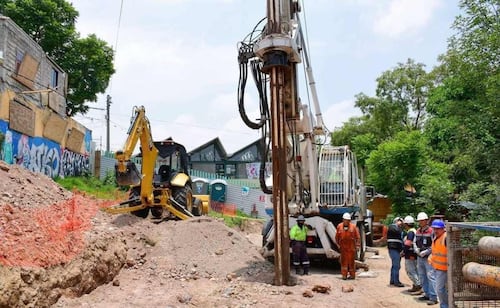
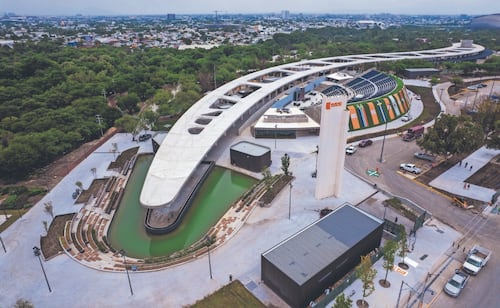
- The 2026 World Cup in Nuevo León, Mexico, has left a legacy of infrastructure improvements beyond the event itself, benefiting daily life for residents.
- Over 30 strategic projects, part of the "Ponte Nuevo, Ponte Mundial" strategy, were implemented to ensure the World Cup investment served long-term public works.
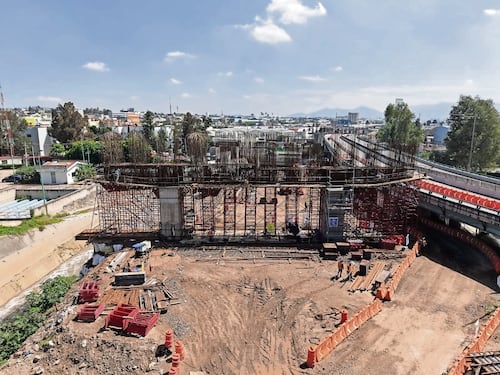
- Key developments include significant upgrades to public transportation, new parks, pedestrian corridors, and enhanced road connectivity, all designed to support the state's future growth.
The 2026 World Cup brought more than just international visitors to Nuevo León; it catalyzed a lasting legacy of infrastructure development for the state. New mobility routes, parks, pedestrian corridors, safety infrastructure, school fields, and metropolitan connections are part of an agenda driven by Governor Samuel García Sepúlveda and Mariana Rodríguez Cantú, head of AMAR a Nuevo León.
Under the "Ponte Nuevo, Ponte Mundial" strategy, the Nuevo León government initiated over 30 strategic projects. The core principle was to ensure that investments tied to the World Cup were not temporary but would serve the daily lives of millions of citizens. Governor García emphasized this pragmatic approach, stating that every peso spent was an investment in public works, creating what he termed the "new Nuevo León" after the tournament concluded.
As one of Mexico's three World Cup host cities, Nuevo León embraced the challenge of hosting fans, tourists, and local families within an improved urban, logistical, and social framework. The event provided an opportunity to strengthen projects designed for use before, during, and after the sporting schedule. While the World Cup placed Nuevo León in the international spotlight for several weeks, its most significant impact lies in the enduring public infrastructure created for everyday use.
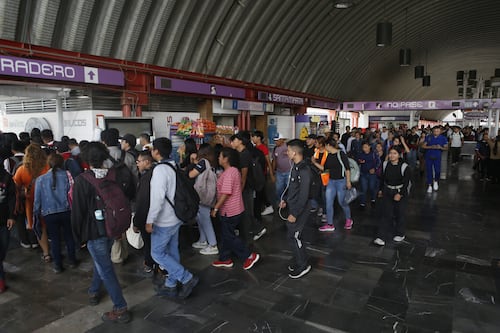
Projects in transportation, public spaces, security, road connectivity, sports, and social infrastructure were conceived not just for the event but to support the state's growth in the coming years. This legacy is evident in works that will continue to serve the community long after the sporting events have ended. Public transportation has seen substantial improvements, including expansions, new vehicles, and new routes, forming a central pillar of the state's development strategy.
In Nuevo León, true to our pragmatism, we decided that not a single peso would be spent with the excuse of the World Cup, but rather that everything would be an investment in public works so that, once the World Cup is over, a great legacy of what we have called the new Nuevo León remains. There are more than 34 projects that we are going to conclude.
DistantNews Editorial
Originally published by El Universal in Spanish. Translated, summarized, and contextualized by our editorial team with added local perspective. Read our editorial standards.
More Stories
From Our Blog

What Press Freedom Means for the News You Read

What Gets Lost (and Found) When News Is Translated

The Critical Role of Diaspora Media in Global News

What Travellers Should Know About Countries with Restricted Press

A Digital Nomad's Guide to Following Local News
