

World's soils deteriorating rapidly, UN report warns; solutions underused
Translated from English and summarized by DistantNews. Read the original for the full story.
At a glance
News
From a news agency
Context piece
- More than 50% of the world's soils are in poor condition, jeopardizing global food supplies and biodiversity, according to a UN report.
- Proven methods to enhance soil health are not being widely implemented, despite being known before 2015.
- Soil degradation is accelerating, with erosion being the primary threat, exacerbated by unsustainable practices and climate change.
Over half of the world's soils are in poor condition, posing a significant threat to global food security and biodiversity, a United Nations report released on Thursday revealed. The Food and Agriculture Organization (FAO) warned that proven measures to improve soil health are not being implemented at the necessary scale.
"Globally, we must shift from a mindset of soil exploitation to one of soil stewardship," the FAO stated. Soils are fundamental, supporting 95 percent of food production, hosting 59 percent of global biodiversity, and acting as the planet's second-largest carbon sink. However, "soil degradation continues to accelerate at an alarming rate."
Globally, we must shift from a mindset of soil exploitation to one of soil stewardship.
The report found that soil management was poor or very poor in 52.5 percent of assessed regions. This marks a deterioration since the FAO's first major assessment in 2015, which also found soils largely in fair, poor, or very poor condition. Since then, the global population has increased by 800 million, and an additional 80 million hectares of land have been dedicated to major crops.
Soils support 95 per cent of our food production, host 59 per cent of global biodiversity, and serve as the planet's second-largest carbon sink after the oceans.
Erosion, caused by unsustainable practices, is identified as the greatest threat, alongside nutrient mismanagement, depleted soil biodiversity, pollution, and urban expansion. Climate change is expected to worsen these issues, while soil degradation itself contributes to climate change. Conversely, improving soil health can enhance resilience and combat global warming.
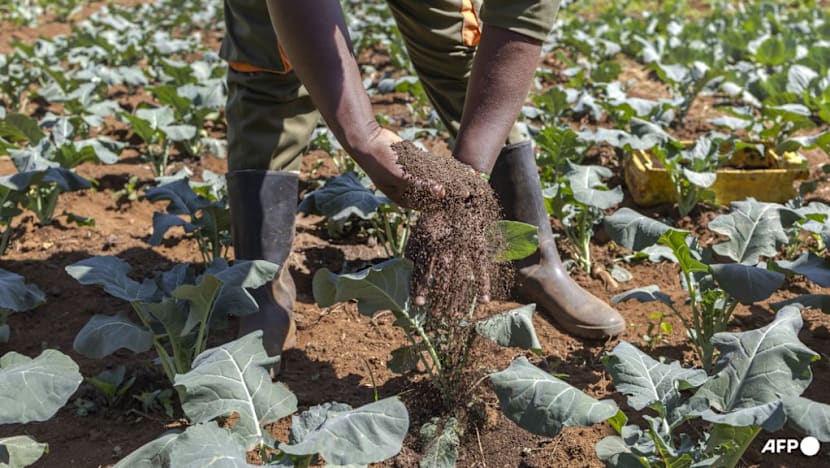
Techniques such as reducing tillage, planting cover crops like legumes and brassicas, and integrating trees into farming through agroforestry are known solutions. However, the FAO cited limited access to resources and high upfront costs as barriers for farmers, urging greater financial incentives, localized data, and the use of indigenous knowledge to promote better soil management.
Yet soil degradation continues to accelerate at an alarming rate.
About this summary
Originally published by CNA in English. Translated, summarized, and contextualized automatically by DistantNews, with a note on how the source frames the story. Not individually reviewed before publishing. How this works.
More Stories


From Our Blog

What Gets Lost (and Found) When News Is Translated

The Critical Role of Diaspora Media in Global News

What Travellers Should Know About Countries with Restricted Press

A Digital Nomad's Guide to Following Local News

How the Same Story Looks Different in Different Countries
