


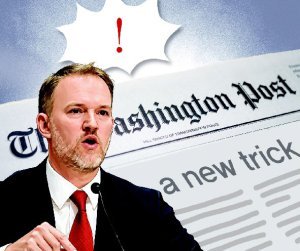
WP: US forced labor tariffs are a 'new trick'
Translated from Korean, summarized and contextualized by DistantNews.
At a glance
News
Named sources
Context piece
- The U.S. has imposed additional tariffs on 54 countries, including South Korea, citing concerns over goods processed with forced labor from China.
- The Washington Post criticized the U.S. tariffs as a protectionist tactic, questioning the inconsistent application of the policy towards countries like China and South Korea.
- The U.S. Trade Representative defended the tariffs, calling the Post's criticism biased and asserting the long-standing U.S. tradition of prohibiting imports produced with forced labor.
The United States' imposition of additional tariffs on 54 countries, including South Korea, has sparked controversy, with critics labeling the move a protectionist "trick." The tariffs are ostensibly aimed at preventing the import of goods produced with forced labor, particularly those originating from China's Xinjiang region. However, the Washington Post, in a scathing editorial, argued that the U.S. is using forced labor as a pretext for trade protectionism.
a new trick
The newspaper pointed to the inconsistent application of these tariffs. While countries like South Korea, which import Chinese components and process them for export to the U.S., face a 12.5% tariff under the "complicity" charge, China itself, where forced labor is widely reported, is not subject to the same level of scrutiny. This inconsistency, the Post argued, undermines the stated humanitarian goals of the policy.
a clear pretext for protectionism
The U.S. Trade Representative's office pushed back against the Post's critique. Jamiee Grice, a USTR representative, suggested the newspaper's opposition stemmed from anti-Trump sentiment. Grice defended the tariffs as a continuation of a century-old U.S. policy against forced labor imports, refuting the idea that the Trump administration initiated this practice arbitrarily.
The Post's opposition stems from anti-President Trump sentiment
Despite the U.S. government's defense, the article highlights a pattern of selective enforcement. The Washington Post noted that the U.S. has exempted certain essential items like coffee, beef, and rare earth minerals from these forced labor tariffs, suggesting that the policy is applied pragmatically rather than ideologically. The article concludes by questioning the sincerity of the U.S. in championing labor rights when its actions appear driven by economic and political interests, likening it to a "suit that doesn't fit."
The U.S. has a 100-year tradition of prohibiting imports produced with forced labor
DistantNews Editorial
Originally published by Dong-A Ilbo in Korean. Translated, summarized, and contextualized by our editorial team with added local perspective. Read our editorial standards.
More Stories


From Our Blog

What Gets Lost (and Found) When News Is Translated

The Critical Role of Diaspora Media in Global News

What Travellers Should Know About Countries with Restricted Press

A Digital Nomad's Guide to Following Local News

How the Same Story Looks Different in Different Countries
