

/s3/static.nrc.nl/wp-content/uploads/2026/06/15132553/150626BIN_2034422404_loosdrecht.jpg)
/s3/static.nrc.nl/wp-content/uploads/2026/06/15185151/150626CUL_2034486968_ombreWEB.jpg)
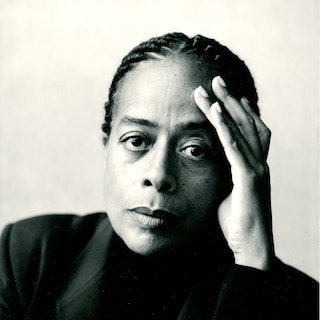
Writer Ellen Ombre, who explored identity and colonialism, dies at 77
Translated from Dutch, summarized and contextualized by DistantNews.
At a glance
In-depth
Sources not specified
Outcome reported
- Dutch writer Ellen Ombre, known for her nuanced exploration of migration, identity, and the colonial past, has died at age 77.
- Ombre's work often focused on the complexities of maintaining or finding identity when coming from a different culture, particularly examining the "small colonialism" in personal lives.
- Her debut novel, "Negerjood in moederland" (Black Jew in Fatherland), explored the struggles of a young woman navigating multiple cultures.
Ellen Ombre, a Dutch writer celebrated for her independent thinking and nuanced exploration of complex themes, has passed away at the age of 77. Throughout her career, Ombre consistently engaged with subjects such as Suriname's colonial history, migration, identity, and the profound sense of uprootedness experienced by many.
Born in Paramaribo on December 8, 1948, Ombre moved to the Netherlands with her parents at age twelve. She pursued a career as a medical-social worker before transitioning to literature in the 1990s. Her literary work, which began with the 1992 story collection "Maalstroom," delved into the challenges of preserving, finding, or rediscovering one's identity when originating from a different cultural background.
Ombre's writing often focused on the "small colonialism," examining how the broader societal and political structures of colonialism impacted individual lives. This theme was particularly evident in her acclaimed 2004 debut novel, "Negerjood in moederland" (Black Jew in Fatherland). The novel depicted the internal conflict of Hannah Dankerlui, a young woman grappling with her dual heritage as the daughter of a Black Surinamese father and a Jewish mother, set against the backdrop of Suriname's complex history shaped by centuries of colonialism.
Long before it became a common topic, Ombre dedicated herself to writing about the colonial past. She was among the first to critically address the controversial Colonial World Exhibition held in Amsterdam in 1883, where people from colonized territories, including Surinamers, were put on display for the public. Her work consistently sought to understand the intricate ways in which historical power dynamics continued to shape personal destinies.
DistantNews Editorial
Originally published by NRC Handelsblad in Dutch. Translated, summarized, and contextualized by our editorial team with added local perspective. Read our editorial standards.
More Stories
/s3/static.nrc.nl/wp-content/uploads/2026/06/14151613/140626CUL_2033737530_Sfeerbeeld1.jpg)
:format(jpeg):fill(f8f8f8,true)/s3/static.nrc.nl/taxonomy/06b57cb-AanZet_itemafbeelding.png)
From Our Blog

What Gets Lost (and Found) When News Is Translated

The Critical Role of Diaspora Media in Global News

What Travellers Should Know About Countries with Restricted Press

A Digital Nomad's Guide to Following Local News

How the Same Story Looks Different in Different Countries
